Discovering Belgium: An Introduction for Expats
An overview of life in Belgium for prospective expats, exploring the country’s regions and major cities, quality of life, history, economy, culture, food, politics, safety, healthcare, education, employment, climate, popular attractions, public holidays, and common misconceptions.
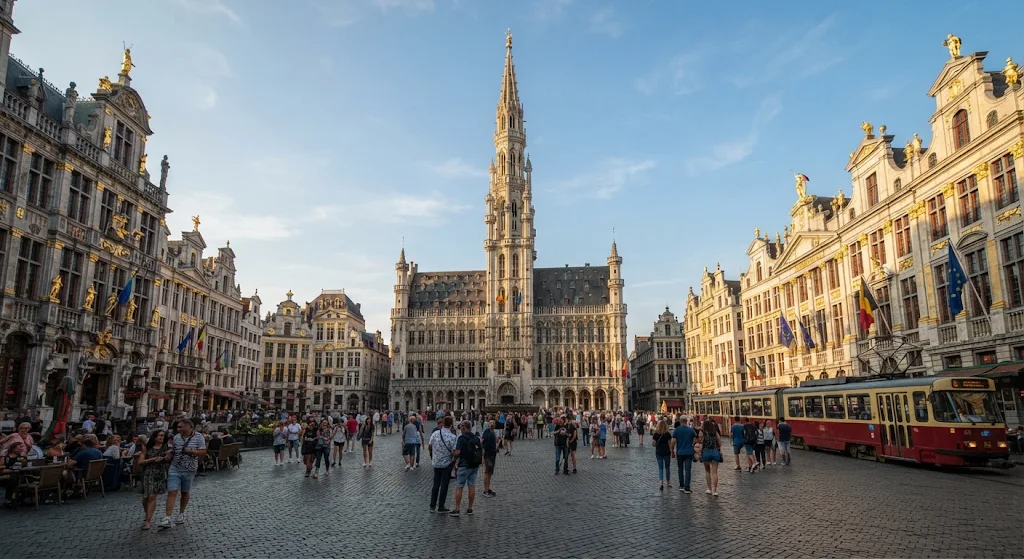
If you are thinking about relocating to another country, Belgium offers a multicultural environment with plenty to attract people from abroad.
Although Belgium is relatively small, it has a significant presence on the international stage and regularly features among the world's desirable places to live. From internationally connected services and facilities to the lively, alternative cultural scene in Brussels, the country has something to suit many different lifestyles and expat needs.
This guide introduces the main things to know when considering a move to Belgium, including the following topics:
Life in Belgium
Belgium has many advantages as a place to settle, helping explain why so many people choose to make it their home. Almost 1.5 million residents were born abroad, representing approximately 13% of the country's population.
The country also offers numerous attractions, a welcoming and varied society, and a prominent role as the location of several European Union (EU) institutions. Belgium is internationally associated with chocolate, beer, fries, the Smurfs, and Tintin, among many other things.
Living standards and quality of life
Belgium's strong living standards and well-developed public services are among the reasons it attracts people from overseas. The OECD Better Life Index identifies housing, income, employment, and education as areas in which Belgium performs well.
However, the country receives less favourable assessments for certain environmental factors, particularly air pollution and water quality, compared with other OECD members.
Belgium's geography and regions
Belgium covers 30,528 square kilometres, making it the EU's fifth-smallest country. The only EU countries with smaller land areas are Malta, Luxembourg, Cyprus, and Slovenia.
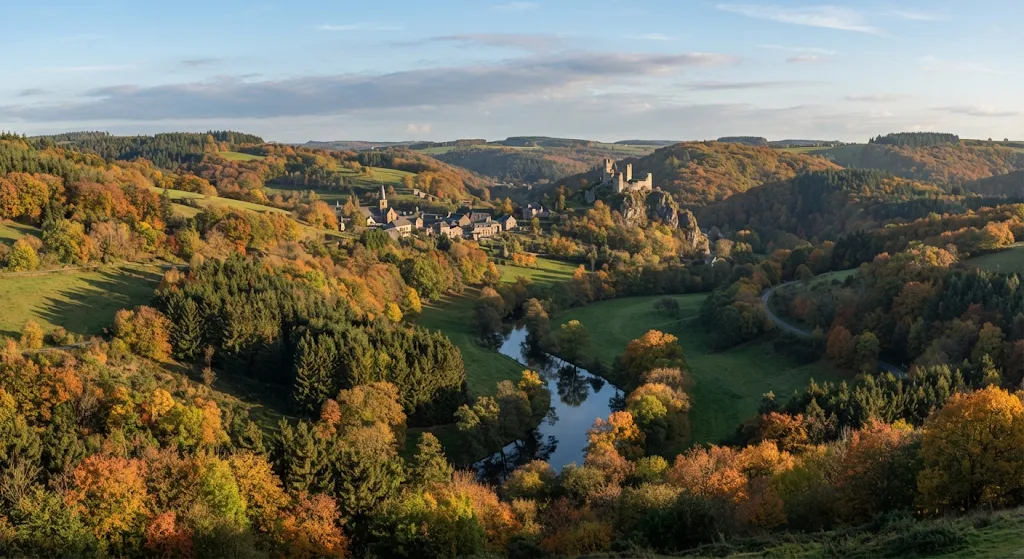
Its neighbours are:
- The Netherlands to the north.
- France to the south and west.
- Germany and Luxembourg to the east.
- The North Sea to the northwest.
Parts of the Dutch border have an unusual layout. For example, the Belgian village of Baare-Hertog is actually surrounded by Dutch territory.
The country is divided into three regions:
- Flanders: Located in the north and predominantly Dutch-speaking.
- Wallonia: Situated in the south and predominantly French-speaking.
- Brussels-Capital Region: A bilingual region.
Belgium also has three broad physical landscapes:
- The coastal plain: Found in the northwest, with an environment shaped mainly by sand dunes and dikes.
- The central plateau: Characterised by fertile valleys and moorland.
- The Ardennes uplands: An area of wooded hills and caves.
Belgium's principal cities
Brussels
Belgium's capital is an exceptionally diverse city with more than 1.2 million residents. This represents over 10% of the country's population, while another 1.3 million people live in the wider metropolitan area.
Known as Bruxelles in French and Brussel in Dutch, Brussels is Belgium's economic centre and one of its major cultural destinations. Its large community of highly skilled professionals and entrepreneurs makes it a natural choice for many people relocating to the country.
Antwerp
Antwerp, known as Antwerpen in Dutch, is the largest city in the Dutch-speaking region of Flanders and the country's second-largest city.
It has one of the world's biggest ports and a substantial English-speaking expat community. Its connections with fashion and cultural tourism have also earned it a reputation among some people as one of the coolest cities in the world.
Bruges
Bruges, or Brugge in Dutch, is frequently called the Venice of the North. Its appeal comes from its striking architecture, historic waterways, cultural attractions, and charming restaurants and cafés.
The city is in West Flanders, and its historic centre is recognised as a UNESCO World Heritage site.
Liège
Liège lies in the Meuse Valley in Wallonia. Although it is not the region's largest city by population, it is among its most significant economic and cultural centres.
Compared with other major Belgian cities, Liège is somewhat more affordable. It also offers attractive residential neighbourhoods, excellent festivals, and a lively nightlife.
Belgium: facts and figures worth knowing
- Belgium is the world's second-largest chocolate exporter. In 2020, its chocolate sector generated €2.5 billion in revenue. Germany was the only country ahead of it, with exports worth almost €5 billion.
- Antwerp's diamond district is the largest in the world. Approximately 84% of the world's uncut diamonds pass through the district for cutting and polishing.
- The Manneken Pis is one of Belgium's best-known symbols. This 60-centimetre bronze sculpture depicts a small boy urinating into a fountain in central Brussels.
- Belgian computer scientist Robert Cailliau helped invent the World Wide Web alongside his English colleague Tim Berners-Lee. Cailliau developed the first hypertext system, which existed before the web.
- Brussels' Delirium Café holds the world record for offering the greatest variety of beers. It recorded 2,004 different beers for sale in 2004, fittingly matching the year in which the record was set.
For additional insights into everyday life and the country's history, see our guide to 30 Belgian facts you didn't know.
Important moments in Belgium's history
Before becoming an independent country, the territory now known as Belgium experienced several political and territorial changes. It was once part of the Carolingian Empire and the United Kingdom of the Netherlands. At different points, it was also divided into smaller regional states, some of which extended into neighbouring countries.
The earliest known civilisations in the territory date back at least to 100,000 BC.
Some important dates in Belgian history include:
- 1830 – Independence: Belgium declared independence from the Netherlands. Its first constitution was formally approved the following year.
- 1847 – Saint Hubertus Royal Galleries: Europe's oldest shopping centre opened in Brussels.
- 1865 – Leopold II becomes king: Leopold II, who later oversaw Belgium's overseas empire in the 20th century, ascended to the throne.
- 1885 – Establishment of the Congo Free State: Leopold II created the Congo Free State in Africa. It preceded the colonial Belgian Congo, which continued until 1960. Congo became the principal territory of the Belgian empire, representing 98% of Belgium's overseas possessions. It is estimated that approximately 10 million Congolese people died after being forced to work on Belgian rubber plantations during the late 19th and early 20th centuries.
- 1914 – German invasion: Germany invaded Belgium. Belgium and Britain declared war on Germany at the beginning of what became known as the First World War.
- 1915 – Battle of Ypres: This major First World War battle resulted in more than 100,000 deaths.
- 1944–1945 – Battle of the Bulge: Fought in the Ardennes during the Second World War, this battle represented an important Allied victory towards the end of the conflict.
- 1958 – European Commission in Brussels: The European Commission, the EU's executive institution, established its presence in Brussels.
- 2007–2011 – Political deadlock: Belgium experienced a prolonged period of regional political uncertainty and set a world record by spending 541 days without a federal government.
- 2018 – NATO headquarters: NATO established its headquarters on Boulevard Leopold III in Brussels.
For a more detailed account, consult our guide to the history of Belgium.
The Belgian economy and standard of living
Belgium has a modern, varied capitalist economy, with exports accounting for more than two-thirds of its yearly gross domestic product (GDP). World Bank figures show that Belgian exports exceeded US$445 billion in 2019.
The country's average annual household income, measured in GDP per capita terms, is US$51,247. Belgium uses the euro as its currency.
Spiegelrei in Bruges
Belgium performs strongly across many of the main measures in the OECD Better Life Index. It scores above the OECD average in areas including income, wealth, wellbeing, civic participation, employment, housing, and personal safety.
The general cost of living is approximately 4% lower than in neighbouring Netherlands, while rental costs are almost 30% lower. However, Belgium has some of the highest tax rates in the world.
Despite its relative economic prosperity, nearly 19% of the population faces a risk of poverty. This problem is particularly pronounced in the Brussels-Capital Region. Nevertheless, the national figure is slightly below the EU average of 21.9%.
Belgian society and its people
Belgium has three main regions and three language communities. Dutch is predominantly spoken in northern Flanders, French is the main language in southern Wallonia, and a German-speaking community is found in eastern Wallonia. Given this linguistic and regional variety, Belgian society is naturally diverse.
The country is highly multicultural, with well-established immigrant communities among its population of 11.5 million. The largest immigrant groups originate from:
- France.
- The Netherlands.
- Italy.
- Romania.
- Morocco.
In terms of religious identification, approximately:
- 65% of Belgians identify as Christian, including 54% who identify as Catholic.
- 5% identify as Muslim.
- 3% follow other religions.
- 27% identify as having no religion or being agnostic.
Traditions and cultural practices can differ considerably between the regions. Nevertheless, qualities commonly associated with Belgian society include good manners, a strong work ethic, an appreciation of culture, and an emphasis on family.
Belgium also performs better than average in areas of social and gender equality. Its gender pay gap is 5.3%, making it the fourth-best EU member state for pay equality.
Everyday life, culture, and leisure in Belgium
Belgium has a great deal to offer in terms of culture and entertainment. Visitors and residents can explore impressive museums, an active theatre scene, and some of Europe's most beautiful historic towns. The country is also known for having more castles per kilometre than anywhere else in the world.
Its cultural calendar includes many colourful celebrations and festivals, including Belgium's traditional Carnaval, which has received UNESCO recognition.
Beer enthusiasts will find an exceptionally broad selection of Belgian brews. One particularly good place to experience this is Quartier Saint-Boniface in Brussels, a lively district filled with excellent restaurants and bars.
Across Belgium's major cities and smaller towns, there are many kinds of drinking establishments. Options range from fashionable lounges to traditional Flemish pubs, where visitors can sample an impressive range of distinctive beers.
Beer is also connected to Belgium's religious history. Trappist monks have been making and selling their own beer for centuries.
Sport is another important part of Belgian life. Football, cycling, and tennis are among the country's most widely practised activities.
Belgian cuisine: food and drink
Food and drink are important parts of Belgian culture. The country is particularly famous around the world for its beer, chocolate, and Belgian fries, also called frites.
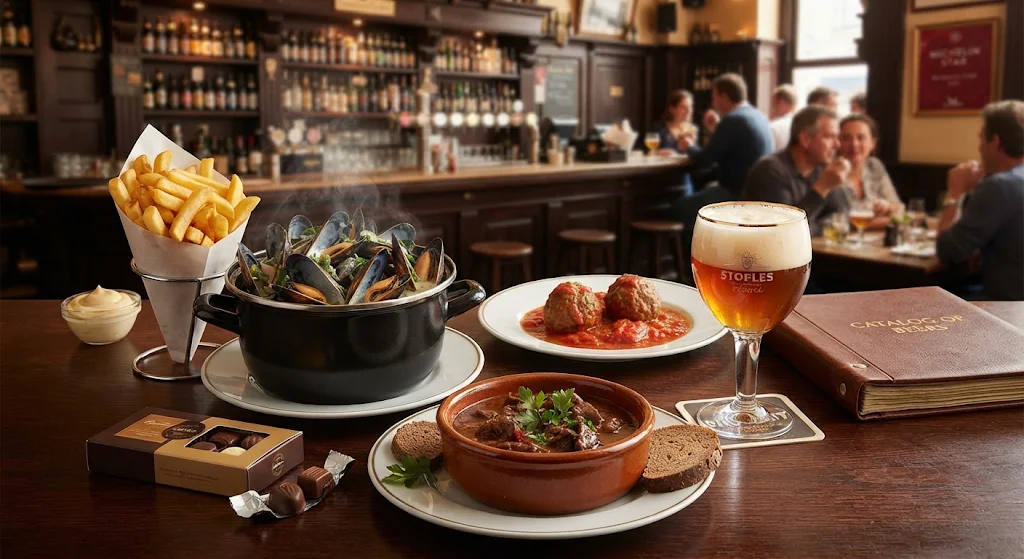
Some well-known Belgian dishes include:
- Stoofvlees: A stew made with steak and ale.
- Moules frites: Mussels served with fries.
- Boulets: Belgian-style meatballs.
Belgian moules frites
Belgium takes pride in the range and standard of its restaurants. There are 138 Michelin-starred restaurants throughout the country.
Bars and cafés are also a familiar part of the local landscape. Around 14,500 were operating across Belgium in 2018. Many bars have particularly extensive beer menus, and it is not unusual to find catalogues listing hundreds or even thousands of craft beers.
Belgium's larger cities also have a lively coffee scene. Antwerp is one of the world's largest coffee ports, and Belgium is among the leading international importers of unroasted green coffee beans.
Belgium's political system, government, and public administration
Belgium operates as a representative constitutional monarchy. The monarch, whether king or queen, serves as head of state, while the Prime Minister leads the government.
The government exercises executive authority. Legislative responsibilities involve two parliamentary chambers:
- The Senate: Called Senaat in Dutch and Sénat in French.
- The Chamber of Representatives: Known as Kamer van Volksvertegenwoordigers in Dutch and Chambre des représentants in French.
Federal elections generally take place every four to five years. Members of the Chamber of Representatives are elected through proportional representation.
Belgium has a multi-party political system, and no single party normally secures an overall majority. As a result, governments are formed through agreements between several political parties.
The country's major political parties are largely organised around its linguistic and regional communities. In recent years, Christian Conservative, Labour, and Liberal parties have all maintained strong representation across the regions.
Belgian politics can be complicated and administrative processes can be bureaucratic. This is partly because the regions have substantial authority, with many responsibilities transferred to the three separate regional administrations.
The country has also experienced lengthy periods without a federal government. In 2020, Belgium surpassed its own previous record for the longest time without an elected government.
Despite these political difficulties, citizens continue to participate in elections. Voting is compulsory in Belgium, and the country has consequently recorded the highest voter turnout among OECD countries. Every Belgian citizen aged 18 or older is entitled to vote.
Civil rights and personal freedoms in Belgium
People living in Belgium are generally unlikely to face significant restrictions on their rights and freedoms. The country is considered one of the world's more liberal societies in relation to individual liberty, women's rights, and sexual freedom.
In the 2021 Human Freedom Index, Belgium placed 23rd among 165 countries assessed worldwide. Its strongest results were in personal safety and security, freedom of expression, and freedom of identity. Its performance was somewhat weaker in economic freedom categories, including property rights.
Belgium also achieved second place in the 2021 Rainbow Europe Index, which assesses how welcoming European countries are to LGBTQ+ people.
Crime, safety, and policing
Compared with many European and other Western countries, Belgium has a relatively low overall crime rate. However, some international crime rankings can make the situation appear worse because Belgium has a comparatively small population.
For example, EU figures for 2018 showed that Belgium had the highest number of robberies per 100,000 residents. Even so, most neighbourhoods across the country are generally considered safe by common standards.
The offences people are most likely to encounter include relatively minor crimes such as pickpocketing and handbag or purse theft.
Belgium has both federal and local police services:
- Local police: Responsible for most routine policing and everyday crime.
- Federal police: Focus on specialist operations and more complex investigations.
There have nevertheless been concerns in recent years about racial profiling within the Belgian police force.
The emergency telephone number for contacting the police in Belgium is 101.
Healthcare, social protection, and welfare
Belgium provides a high standard of healthcare. Good-quality medical services are widely accessible, with major university hospitals helping to support the country's medical infrastructure.
Healthcare is also less expensive than in many other European countries. Relatively short waiting times have helped Belgium become a destination for medical visitors from neighbouring countries.
Belgium ranks 22nd in the Global Health Security Index, reflecting the country's strong health outcomes. Life expectancy is currently 84.3 years for women and 80 years for men.
The Belgian healthcare system combines public and private providers. Public health insurance pays for most state healthcare expenses.
Health insurance is integrated into Belgium's social security arrangements. Employees make regular contributions that help fund healthcare, state pensions, unemployment support, and several other social benefits.
Education in Belgium
Families living in Belgium can benefit from the country's well-developed educational facilities and generally high standard of schooling.
Belgium ranked 28th out of 41 OECD countries for education. Around 80% of adults have completed upper secondary education, while the average Belgian spends 19.5 years in education, exceeding the OECD average.
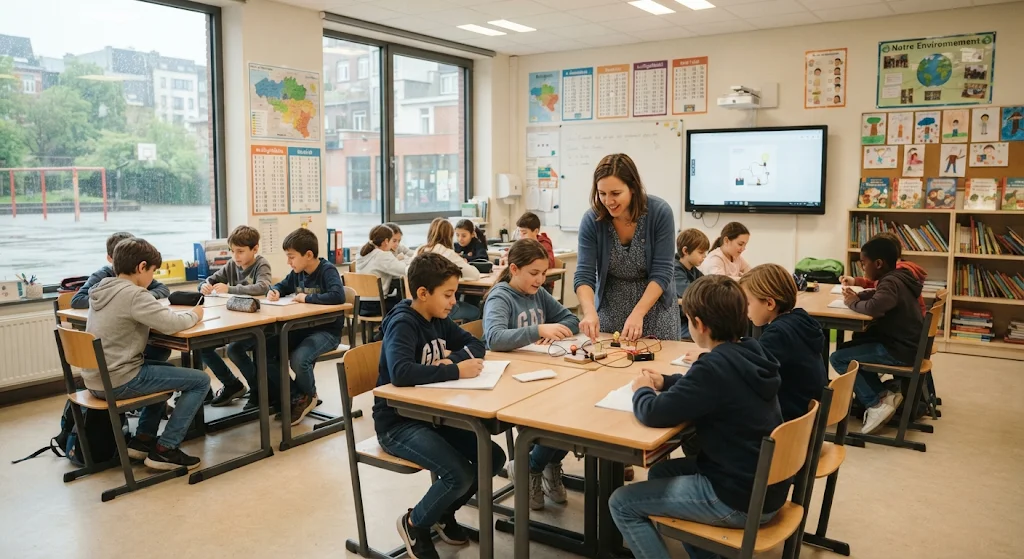
A Belgian classroom
Parents have a wide range of educational choices, including international schools and language schools.
Children can attend organised daycare from the age of two before progressing to primary education, which generally covers ages 6–12.
Secondary education is compulsory until the age of 18. After completing this stage, students can continue their studies at one of Belgium's universities or colleges. These include internationally recognised institutions such as KU Leuven and Ghent University.
Employment and doing business in Belgium
People from EU or EFTA countries can work in Belgium, while other foreign nationals generally need the appropriate Belgian work visa.
The country hosts many multinational businesses and major international organisations. This makes Belgium an appealing employment destination, particularly for professionals with specialised skills.
Belgium's unemployment rate increased to 6.6% in 2021. This was below the overall EU unemployment rate of 6.2% and the eurozone rate of 8.4%, according to the figures provided in the source.
The Belgian economy has substantial service and manufacturing industries. More than three-quarters of the population work in services, including:
- Legal services.
- Financial services.
- Media.
- Tourism.
The petrochemical sector is also significant, and Belgium has one of the world's largest diamond industries.
Working
Learn more about finding employment in Belgium
Read our guide to finding jobs in Belgium for further information about the local employment market.
Workplace culture is generally quite formal, although expectations can differ depending on the region and industry.
The legal working week is 38 hours. Employees may work extra hours as overtime when this has been agreed.
Starting a business is another option. Self-employment and freelance work are common, especially in entrepreneurial cities such as Brussels and Antwerp.
Belgium's climate and environmental conditions
The weather is one of the issues people most often complain about in Belgium. An old Belgian joke suggests that the country enjoys good weather approximately 20 times a day.
Rain falls throughout the year in different parts of the country, although Belgium's reputation for constant rainfall is sometimes exaggerated. It ranks as low as 100th among countries when measured by annual rainfall. Several European countries receive more rain, including Iceland, Switzerland, Albania, Norway, the United Kingdom, Ireland, France, and Portugal.
Belgium has a relatively cool climate, influenced by the North Sea and the Atlantic Ocean. Average temperatures are approximately:
- Winter: 3.5°C.
- Summer: 18.5°C.
- Summer highs: Around 23°C.
Belgium is among the world's most urbanised countries. Just over 98% of its population lives in urban areas.
Although the country has a substantial industrial sector, it performs reasonably well in environmental protection and sustainability. It ranked 21st worldwide in the 2022 Environmental Performance Index, while its main cities received good ratings in the Air Quality Index.
Biodiversity is a weaker area, partly because of the country's extensive urban development. Estimates from 2017 suggested that approximately one-third of Belgium's native species were rare, threatened, or already extinct.
Places worth exploring in Belgium
If you are planning to settle in Belgium, consider visiting some of the country's most interesting destinations and historic locations.
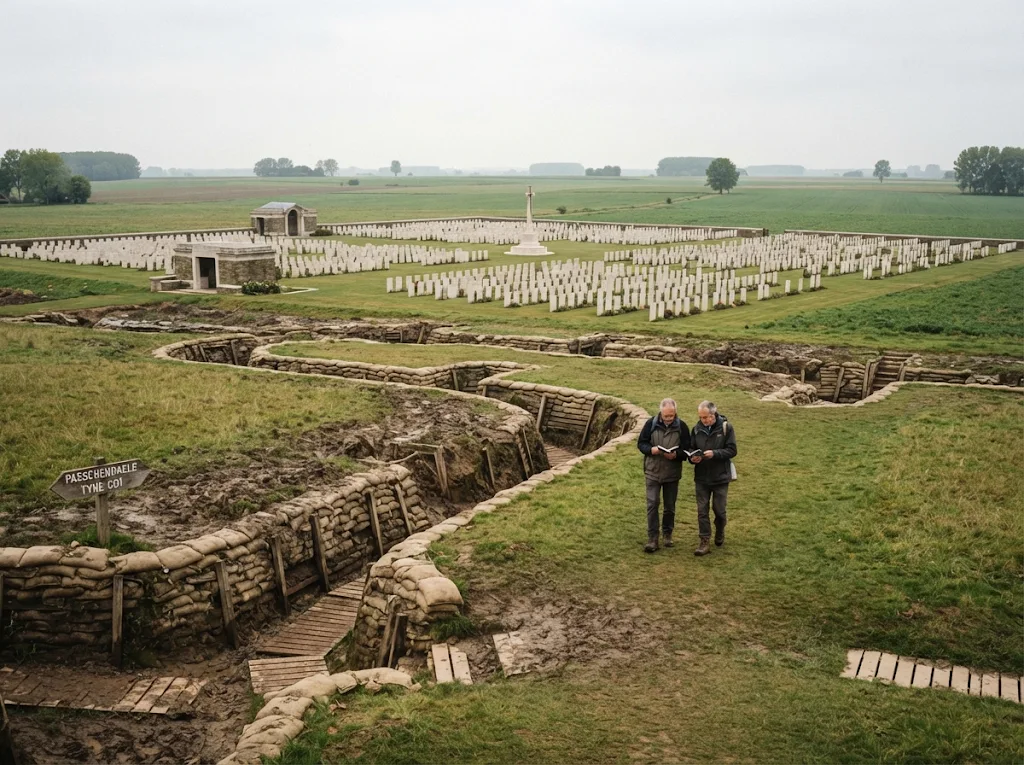
Flanders Fields
The battlefields of Flanders are historically significant and attract people interested in the First World War.
In and around the town of Ieper, visitors can explore preserved trenches and military cemeteries. These solemn sites provide a reminder of the enormous loss of life during the previous century.
Mons Old Town
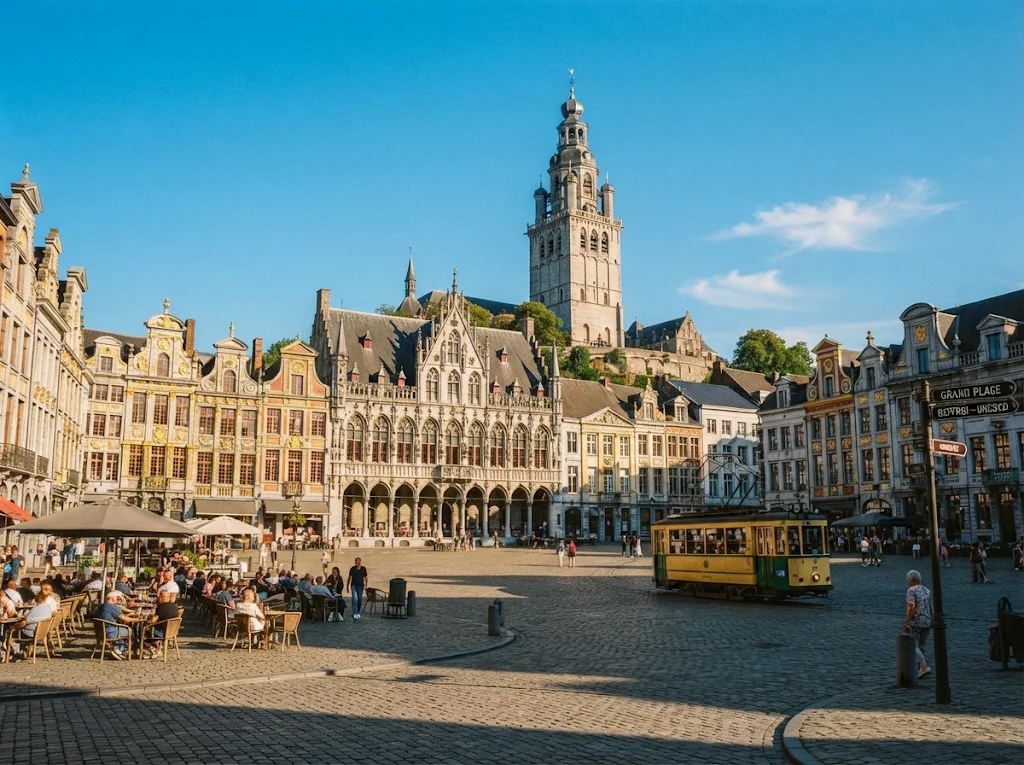
Mons is a picturesque town in Wallonia that held the title of European Capital of Culture in 2015. It is an excellent destination for a day trip.
Notable attractions include the Grand Place and the UNESCO-listed bell tower, which stands on a hill overlooking the town.
Meuse Valley
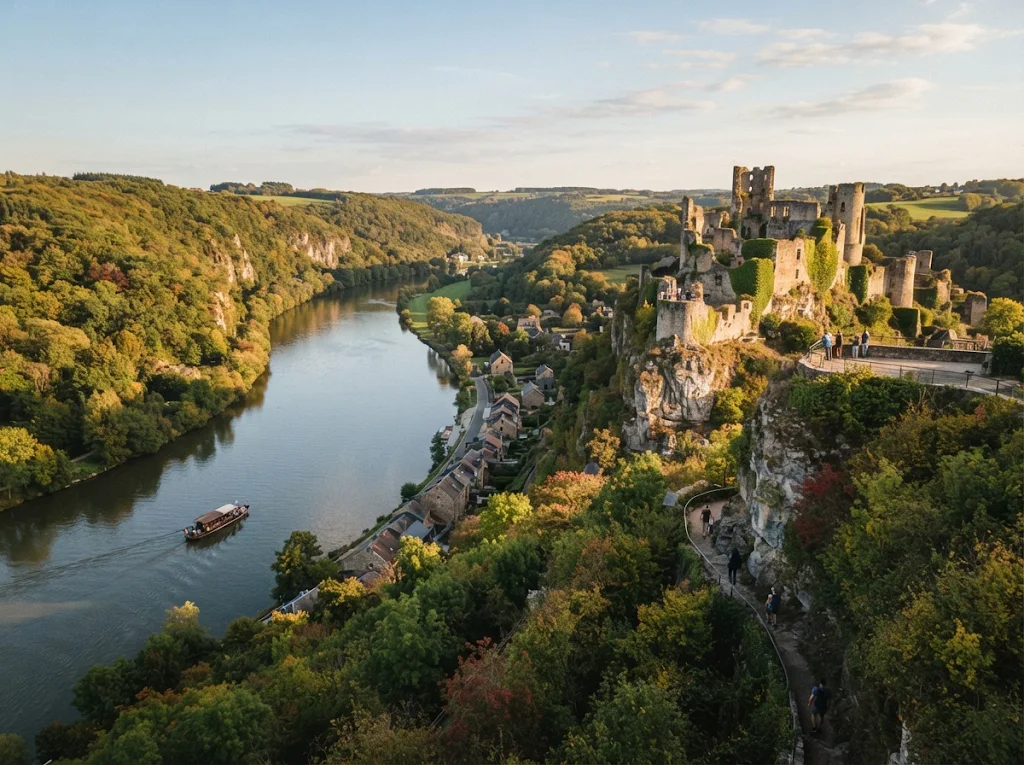
South of Brussels, the Meuse Valley offers a good opportunity to experience Belgium's countryside.
Activities in the area include:
- Taking a boat trip along the river.
- Walking through forests.
- Hiking along cliffs and elevated trails.
- Exploring the remains of historic castles and fortresses.
Official holidays in Belgium
Belgium observes 10 public holidays each year. Most apply throughout the country, although certain celebrations are specific to particular language communities.
Public holidays in Belgium: key dates
Some of the country's notable national public holidays are:
- 1 May: Labour Day.
- 21 July: Belgian National Day.
- 11 November: Armistice Day.
For a complete calendar and further information, read our guide to public holidays in Belgium: important dates.
Common misconceptions about Belgium
When preparing to move to Belgium, you may encounter various stereotypes or assumptions about the country. Here are some common claims and the context behind them.
Myth: Belgium's political system is chaotic and poorly organised
Belgium's political landscape is certainly complex. Because the country has several political parties and distinct regional interests, forming a governing coalition can sometimes take years.
Many people in Belgium also believe that the political system needs reform. However, these difficulties do not change the fact that the country performs well in assessments of political rights and civil liberties.
Myth: Belgium is not a proper country
Belgium's borders have changed repeatedly throughout history, and its population is divided among three different language communities. These characteristics have contributed to the mistaken belief that Belgium is not a genuine country.
In reality, Belgium is home to 12 million people. Its residents may not all speak the same language or share the same political opinions, but Belgium is a country and a nation in its own right.
Myth: There is nothing interesting to do in Belgium
Belgium sometimes receives an unfair reputation for being boring, perhaps because it is a small country strongly associated with political and international institutions.
In practice, there is plenty to discover. The country offers interesting destinations, weekend trips, and some internationally recognised festivals. And, of course, there is Belgium's famous beer to enjoy as well.