A Visitor's Guide to Germany's Top Museums: Exploring Art, History, Technology, and Culture
Discover Germany's most fascinating museums with this guide to the country's top cultural attractions. From remarkable art collections and historical landmarks to science, technology, chocolate, and beer exhibitions, explore the museums that offer unique insights into Germany's history, heritage, and innovation.
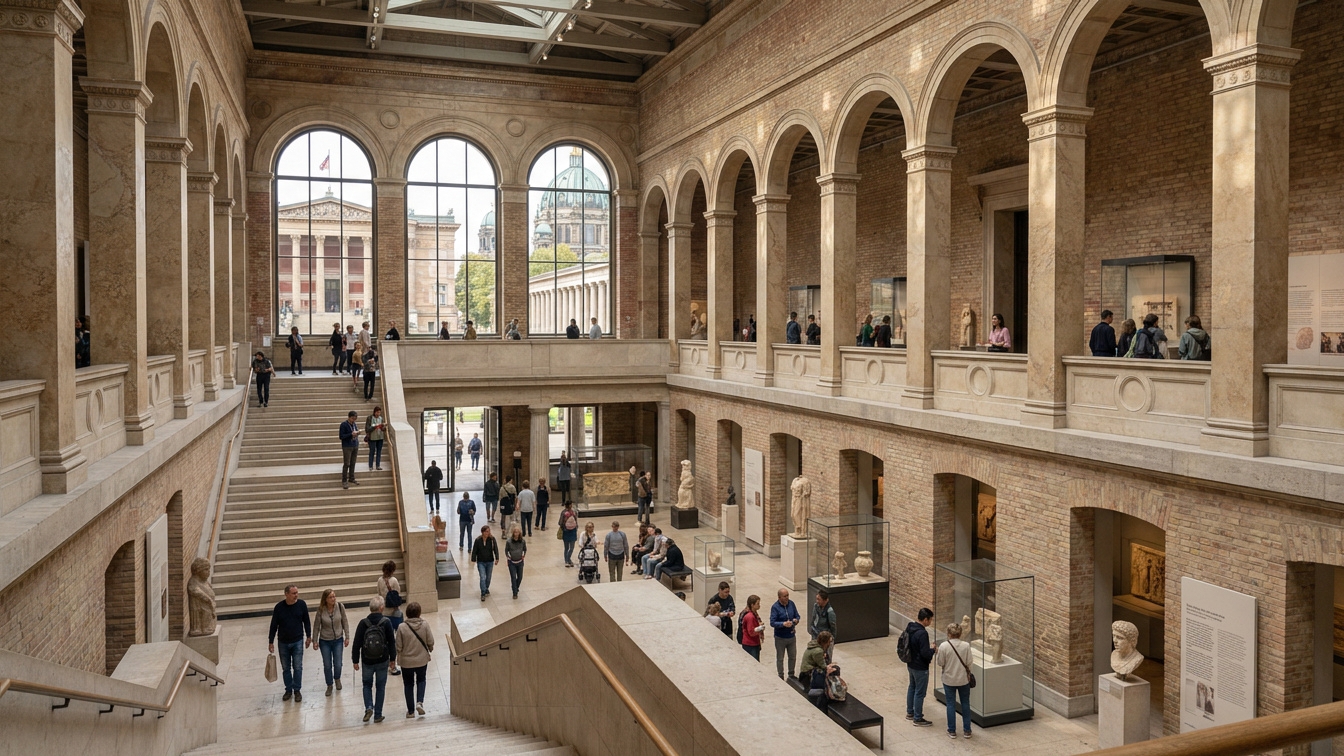
From extraordinary art collections and significant historical sites to fascinating chocolate exhibitions and traditional beer experiences, Germany has an impressive range of museums waiting to be discovered. Whether you are passionate about history, interested in artistic creations, fascinated by automobiles, or curious about scientific discoveries, there are attractions to suit different interests.
If you are planning a trip to Germany, here are ten outstanding museums worth including in your travel plans.
Explore Scientific and Technological Discoveries at the Deutsches Museum, Munich
The Deutsches Museum in Munich is one of the country's major attractions for people interested in science, engineering, and technological innovation. With an exhibition area covering approximately 60,000 square metres, the museum provides an extensive collection of scientific and technological displays.
Its collection features around 100,000 objects, illustrating the progress of science and technology from prehistoric periods to the present day. Visitors can examine different historical discoveries and inventions, ranging from ancient stone tools and traditional pocket sundials to modern Intercity Express (ICE) trains.
The museum also makes learning enjoyable through its interactive exhibitions. Guests can participate in basic scientific experiments using interactive buttons and explore educational presentations covering subjects such as automobile engineering, aviation, and space exploration.
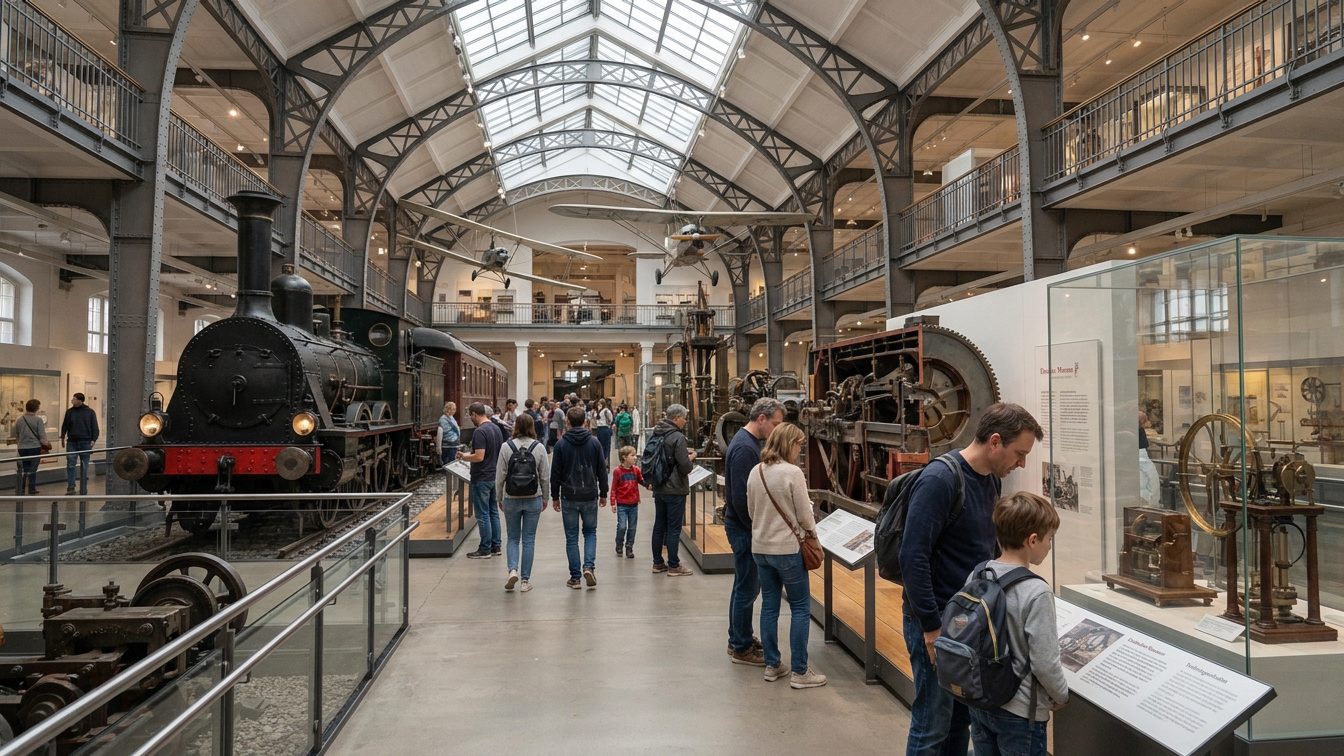
Depending on when you visit, you may also discover temporary exhibitions featuring special themes and technological developments. Children are equally catered for through the museum's Kids' Kingdom, which offers enjoyable and educational activities designed to introduce younger visitors to science.
With its impressive collections and hands-on learning opportunities, it is hardly surprising that the Deutsches Museum welcomes approximately 1.5 million visitors every year.
- Location: Museumsinsel 1, 80538 Munich, Germany.
- Official website: Deutsches Museum
Discover Artistic and Historical Treasures at Museum Island, Berlin
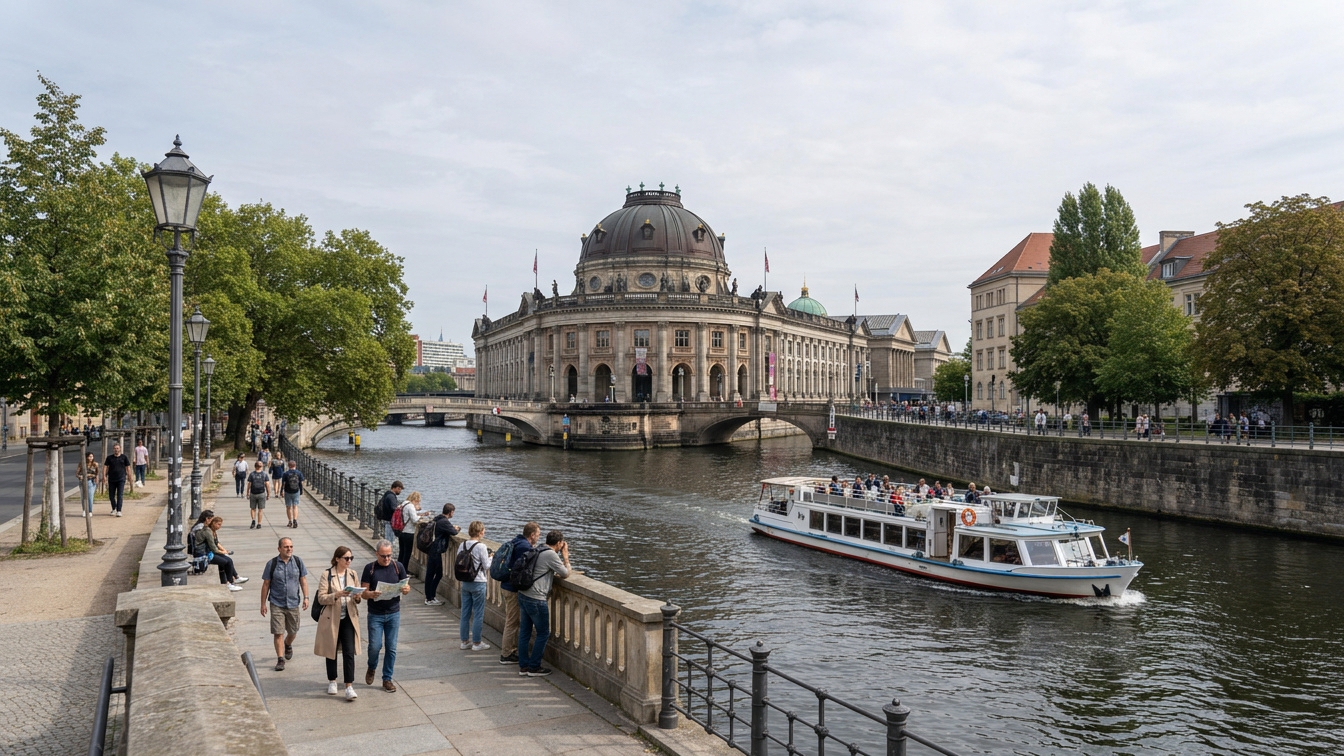
Berlin has numerous attractions for tourists, but Museum Island stands out as an especially important destination for anyone interested in archaeology, art, and historical collections.
Located on an island in the River Spree, Museum Island is a UNESCO World Heritage Site comprising five major museums. Each institution offers its own collection, giving visitors an opportunity to explore ancient civilizations, different artistic periods, and important cultural developments.
The five museums include:
1. Alte Nationalgalerie
This art gallery houses approximately 1,800 paintings and 1,500 sculptures. Its collections showcase several artistic movements, including Romanticism and Impressionism.
- Official resource: Alte Nationalgalerie
2. Altes Museum
Visitors interested in ancient Greek civilization will find plenty to explore here. Its historical collections include sculptures, pottery, decorative pieces, and jewellery from ancient Greece.
- Official resource: Altes Museum
3. Neues Museum
The Neues Museum is particularly popular among visitors fascinated by ancient Egyptian history. One of its most celebrated attractions is the famous bust of Queen Nefertiti, an important historical and artistic masterpiece.
- Official resource: Neues Museum
4. Pergamonmuseum
For archaeology enthusiasts, this museum offers impressive reconstructions of ancient architectural structures associated with Greek and Roman civilizations.
- Official resource: Pergamonmuseum
5. Bode-Museum
The Bode-Museum is known for its valuable historical collections, particularly its extensive displays of ancient sculptures and other important artistic treasures.
- Official resource: Bode-Museum
Visitors who intend to explore all five institutions can look into purchasing a combined admission ticket. The original guide gives the price as €16, which covers entry to the five museums. However, ticket prices and admission arrangements may change, so it is advisable to confirm the latest details before your visit.
- Location: Breite Straße, 13089 Berlin, Germany.
- Visitor information: Museum Island, Berlin
- Additional reference: UNESCO World Heritage Centre
Examine Germany's Nazi Past at the Topography of Terror, Berlin
The Topography of Terror is an important historical museum established on the former grounds of the headquarters of the Gestapo and SS. These organizations played major roles in political persecution, oppression, and acts of terror during Nazi rule.
It is one of Germany's most frequently visited museums, attracting more than 1.3 million visitors in 2018 alone.
The museum documents the political events, activities, and institutions responsible for creating widespread fear and suffering in Berlin during the Second World War. Because its exhibitions address painful historical events, visitors should be prepared for emotionally difficult subject matter.
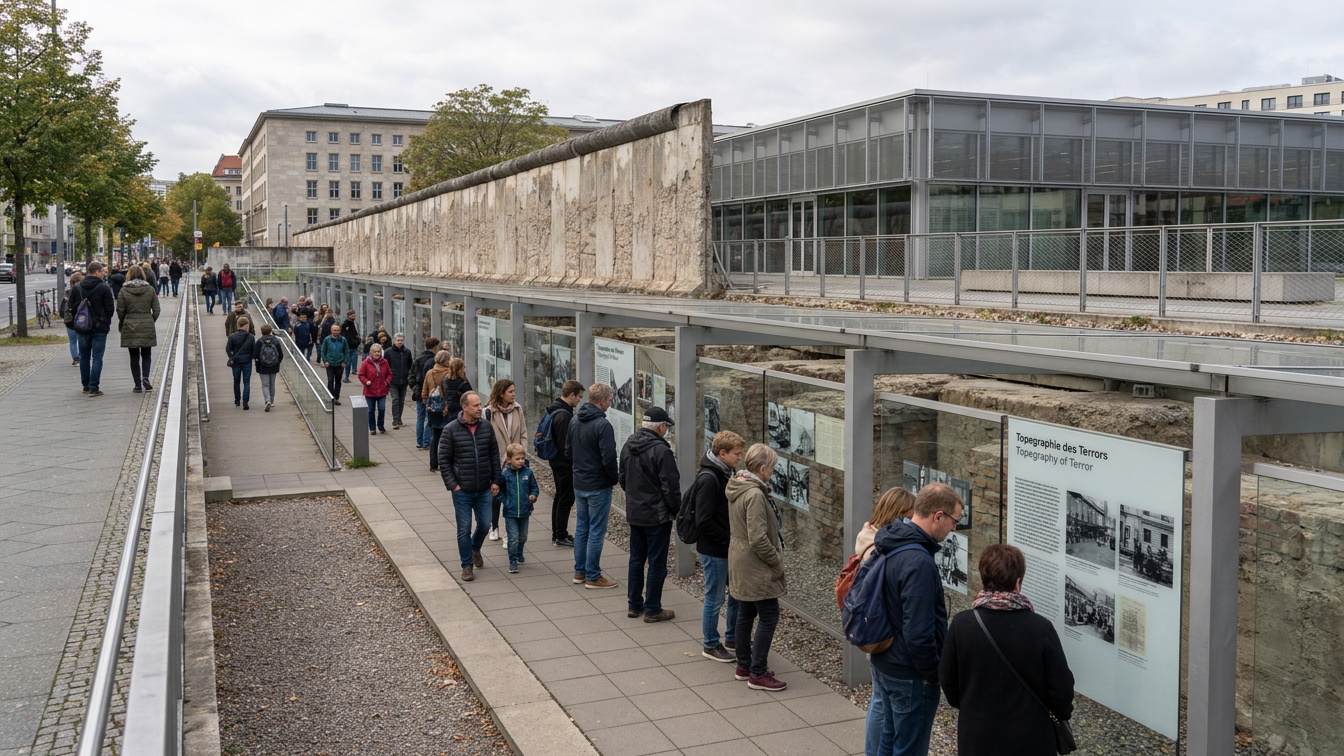
One of the site's significant features is an underground cellar located beneath a surviving section of the Berlin Wall. During the Nazi era, political prisoners were reportedly tortured and executed in this area.
Visitors can examine three permanent exhibitions, one of which focuses on the use of Nazi propaganda. Through historical photographs, newspaper articles, government documents, and other archival materials, the exhibition explains how propaganda was used to influence society during that period.
There are different ways to explore the museum. Visitors may walk through the exhibitions independently or join an organised guided tour to gain a deeper understanding of the historical events.
Whichever option you choose, the museum provides an important opportunity to learn about one of the most tragic periods in Germany's history.
- Location: Niederkirchnerstraße 8, 10963 Berlin, Germany.
- Official website: Topography of Terror
Remember the Victims of the Holocaust at the Memorial to the Murdered Jews of Europe, Berlin
Visiting the Memorial to the Murdered Jews of Europe is a powerful and emotional experience that honours the Jewish people who suffered and lost their lives during the Holocaust under Nazi rule.
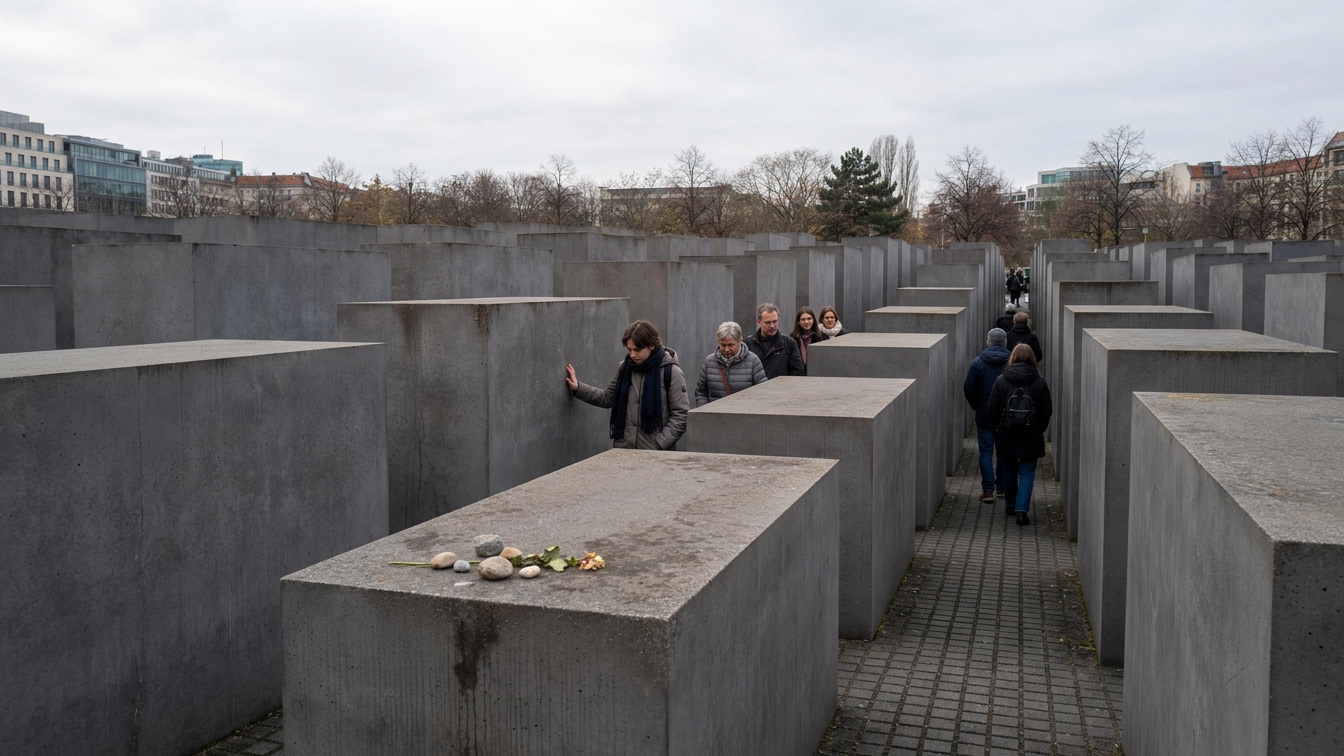
Situated in central Berlin, close to the famous Brandenburg Gate, this memorial was established in remembrance of more than six million Jewish victims who were killed during the Holocaust.
Its most distinctive feature is a collection of 2,711 concrete blocks, commonly known as stelae. These structures are arranged in varying heights across the memorial grounds, creating a solemn environment that encourages reflection and remembrance.
The Holocaust Documentation and Information Centre
Alongside the outdoor memorial, visitors can enter an underground information centre covering approximately 800 square metres.
This educational facility provides historical accounts of the Holocaust through a range of documents and other materials, including:
- Personal records and historical documents relating to individual victims and families.
- Biographical accounts of people who experienced the Holocaust.
- Historical audio recordings.
- Information about other Holocaust memorial locations throughout Europe.
Visitors can also take advantage of free guided tours, organised walking tours around the city, and audio-supported exhibitions.
The outdoor memorial remains accessible throughout the day and night, allowing visitors to pay their respects at different times.
- Location: Cora-Berliner-Straße 1, 10117 Berlin, Germany.
- Official website: Foundation Memorial to the Murdered Jews of Europe
- Additional visitor resource: Visit Berlin – Memorial Guide
Experience a Fascinating Miniature Universe at Miniatur Wunderland, Hamburg
Have you ever imagined being able to observe different parts of the world from an elevated viewpoint? The Miniatur Wunderland in Hamburg offers visitors an extraordinary opportunity to experience something similar through its impressive miniature displays.
Located in the historic Speicherstadt warehouse district near Hamburg's harbour, this attraction is recognised as the world's largest model railway exhibition.
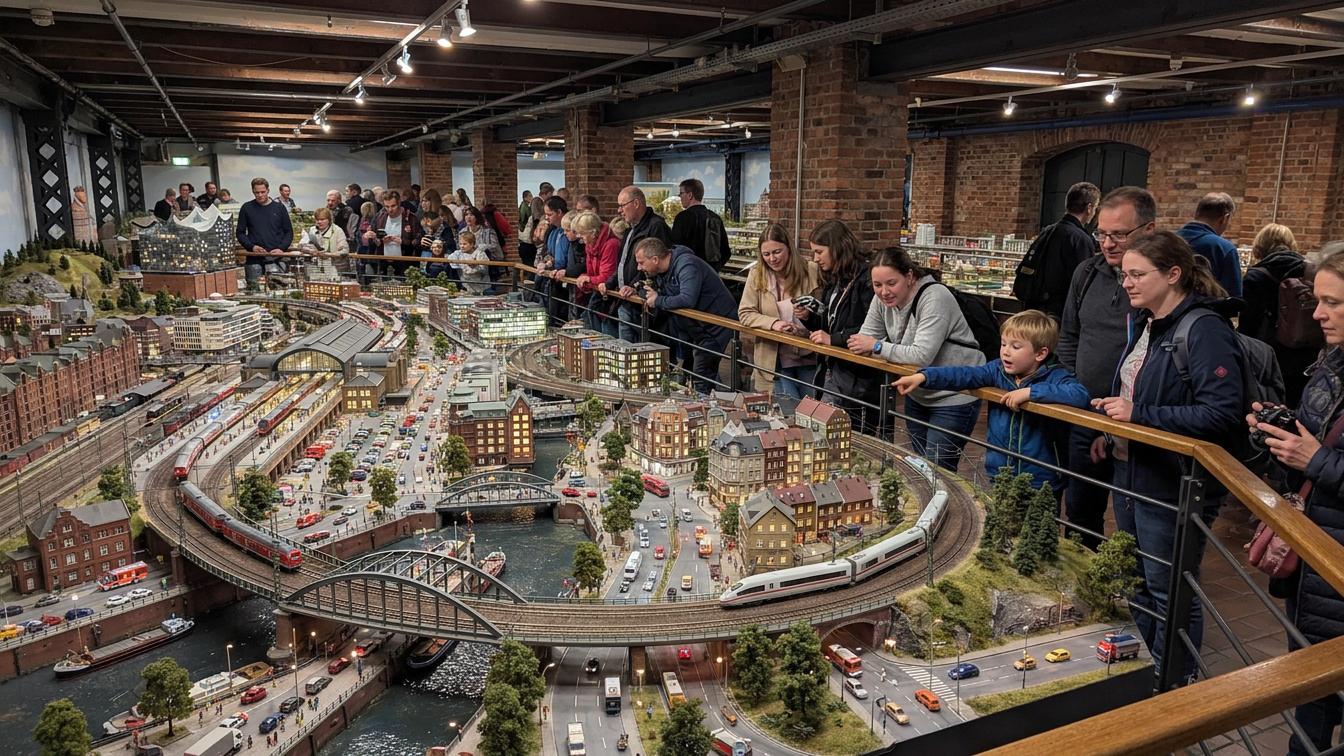
The extensive exhibition contains approximately 15,400 metres of railway tracks, running through carefully designed miniature landscapes inspired by different countries and geographical regions.
Some of the destinations represented in the displays include:
- The Austrian and Swiss Alps.
- Scandinavia.
- Italy.
- The American West.
Beyond its miniature landscapes, the attraction features an incredible collection of small-scale models and moving displays, including:
- 1,040 trains operating across the railway system.
- 9,250 miniature cars.
- 42 aircraft.
- Approximately 260,000 miniature human figures.
- Nine different exhibition sections.
A Miniature Entertainment Park and Upcoming Expansions
One of the interesting additions to the exhibition is a miniature amusement park occupying approximately 8 square metres.
This section features tiny lottery booths, amusement rides, and food stands, recreating the appearance of a real entertainment centre on a much smaller scale.
The experience becomes even more impressive when the exhibition transitions into nighttime mode. Approximately 100,000 LED lights illuminate the miniature surroundings, producing a realistic evening atmosphere.
Since its establishment in 2000, Miniatur Wunderland has continued expanding its displays. Further developments have been planned to introduce additional miniature environments inspired by South America, Asia, and the Caribbean.
For anyone interested in engineering, model construction, international travel, and creative exhibitions, this attraction is certainly worth visiting.
- Location: Kehrwieder 2/Block D, 20457 Hamburg, Germany.
- Official website: Miniatur Wunderland
Explore German Art and Cultural History at the Germanisches Nationalmuseum, Nuremberg
Situated in Nuremberg, the Germanisches Nationalmuseum is widely recognised as Germany's largest museum devoted to art and cultural history.
Its collection includes approximately 25,000 objects, covering a broad historical timeline that stretches from prehistoric communities to contemporary society.
Through its exhibitions, visitors can discover how people in German-speaking regions lived, worked, dressed, and expressed their cultural identities throughout different historical periods.
The museum's collections cover several areas of historical and cultural interest, including:
- Traditional weapons and protective armour.
- Historical paintings and sculptures.
- Early scientific instruments.
- Approximately 300 original garments representing three centuries of clothing history.
- Musical instruments commonly found in households during the 16th century.
- Medieval hunting equipment and weapons.
Audio Guides and Remarkable Historical Artefacts
Visitors who want a more detailed understanding of the exhibitions can make use of the museum's audio guides, which are offered in different languages.
These guides provide useful explanations of selected collections and introduce visitors to some of the institution's most important historical objects.
Among the notable attractions are artistic works by Albrecht Dürer and Ernst Ludwig Kirchner, as well as the Cloth of Saint Gereon, considered the oldest surviving European tapestry.
The museum also hosts temporary exhibitions at different times throughout the year. Visitors are therefore encouraged to consult its official website before travelling to find out which additional displays or special events may be available.
- Location: Kartäusergasse 1, 90402 Nuremberg, Germany.
- Official website: Germanisches Nationalmuseum – Your Museum in Nuremberg
Trace the Evolution of the Automobile at the Mercedes-Benz Museum, Stuttgart
Automobile enthusiasts and visitors fascinated by engineering will find the Mercedes-Benz Museum an exciting destination.
Even if cars are not among your main interests, the museum's impressive vehicle collections and displays of technological progress make it an attraction worth exploring.
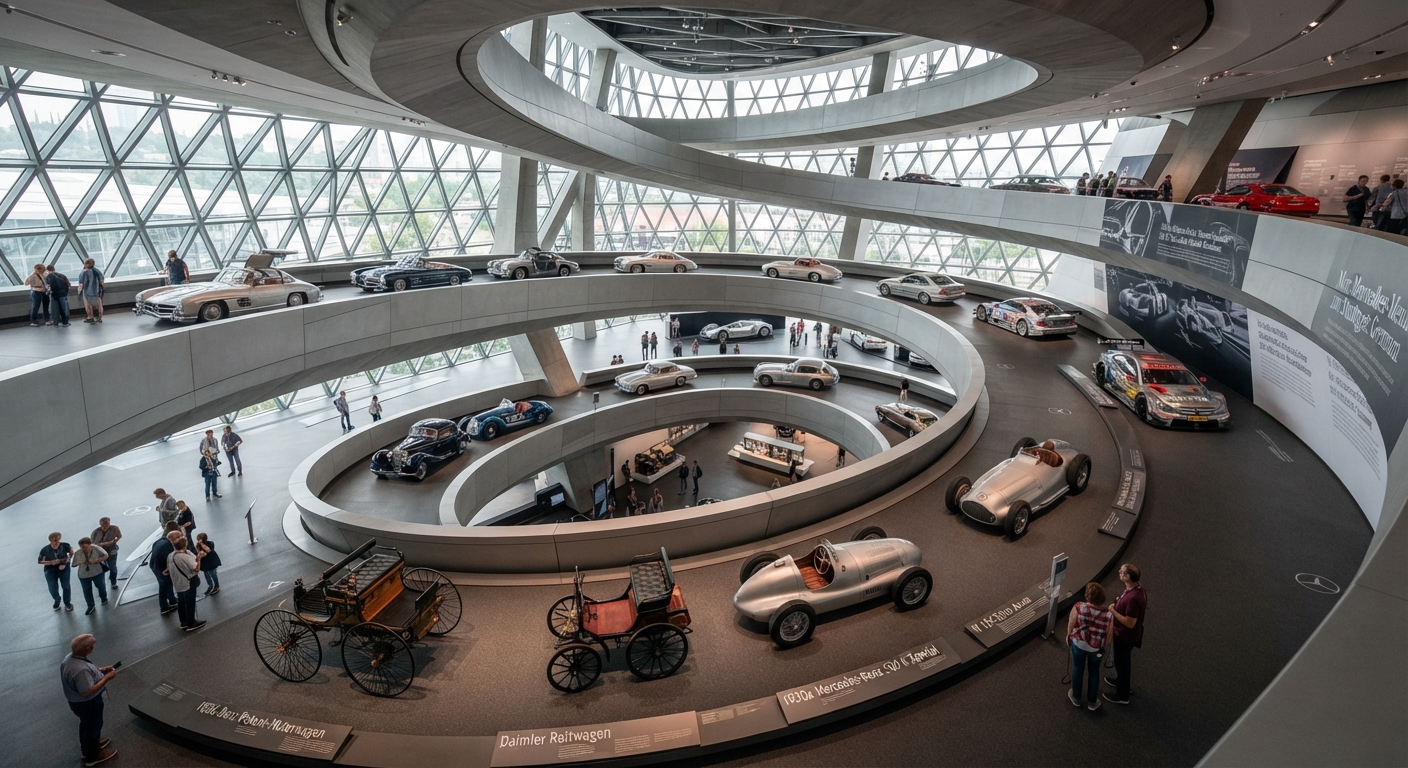
Opened in 2006, the museum is particularly famous for its unusual architectural design, which resembles a large three-leaf clover.
The exhibition covers approximately 16,500 square metres across nine floors and contains more than 1,500 exhibits, including around 160 vehicles.
Some of these automobiles represent the earliest stages of vehicle development, giving visitors a chance to see how transportation technology has evolved over the years.
Follow the History of Automotive Innovation
The museum takes visitors through the development of the automobile industry, beginning with the world's first patented automobile and extending to modern vehicles powered by hydrogen technology.
This historical presentation highlights important changes in vehicle engineering, design, safety features, and alternative energy solutions.
Visitors who would like a more detailed explanation of the collections can also book optional guided tours conducted in both German and English.
Dining Options and Shopping Opportunities
The museum offers more than historical vehicle exhibitions. Visitors can also enjoy refreshments, explore its restaurant, and purchase branded souvenirs.
Bertha's restaurant serves a selection of dishes inspired by different culinary traditions, combining elements of French cuisine, Asian-inspired flavours, and regional German food.
There is also a dedicated museum shop featuring a wide variety of Mercedes-Benz products.
Some of the items available include:
- Clothing and fashion accessories.
- Wristwatches.
- Books and other publications.
- Miniature model vehicles.
- Additional Mercedes-Benz branded products.
The shop is particularly appealing to visitors who would like to take home a souvenir connected to the famous automobile manufacturer.
- Location: Mercedesstraße 100, 70372 Stuttgart, Germany.
- Official website: Mercedes-Benz Museum
Discover Chocolate-Making Traditions at the Chocolate Museum Cologne
Cologne is a well-known German travel destination, attracting tourists with its impressive museums, restaurants, entertainment facilities, and the famous UNESCO-listed Cologne Cathedral.
However, there is another interesting attraction that chocolate enthusiasts should not overlook: the Chocolate Museum Cologne.
Recognised as Germany's largest chocolate museum, the attraction provides approximately 4,000 square metres of exhibition space.
Its collections are organised into nine exhibition areas containing around 2,000 objects dedicated to explaining chocolate's history, production methods, and cultural importance.
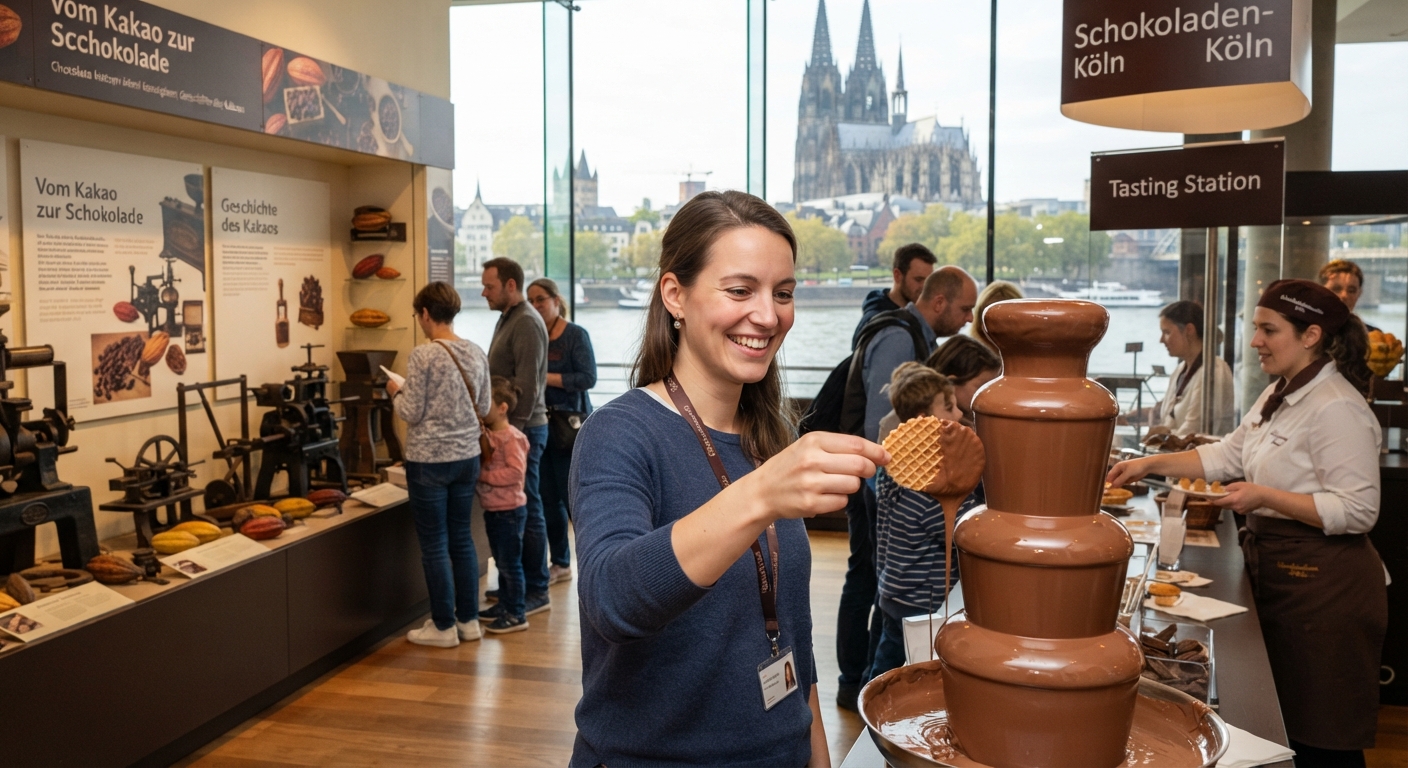
One of the museum's most popular attractions is a chocolate fountain measuring approximately three metres in height. Visitors can dip waffles into the flowing chocolate and enjoy a memorable tasting experience.
Discover the Origins and History of Chocolate
The museum takes visitors through the development of chocolate, tracing its origins back approximately 3,000 years to ancient Mayan and Aztec civilizations.
The exhibitions explain the importance of cocoa in early societies, how chocolate gradually developed into a widely consumed product, and the different stages involved in manufacturing it.
Chocolate Shopping and Refreshment Facilities
Visitors who want to enjoy more chocolate can stop at the museum's chocolaterie, where different varieties of premium chocolate products are available for purchase.
Some of the treats on offer include:
- Fine chocolates.
- Specially prepared truffles.
- Freshly made pastries.
- Other chocolate-based delicacies.
Visitors who are unsure which products to choose can also ask the knowledgeable staff for suggestions.
For guests looking for something beyond chocolate, the museum's Grand Café provides a selection of sweet and savoury refreshments.
Its menu includes:
- Crêpes.
- Waffles.
- Cakes.
- Salads.
Another appealing feature of the café is its attractive view of the River Rhine. Guests can enjoy their food and drinks while taking in the surrounding riverside scenery.
- Location: Am Schokoladenmuseum 1A, 50678 Cologne, Germany.
- Official website: Chocolate Museum Cologne
Experience Bavarian Beer Heritage at the Beer and Oktoberfest Museum, Munich
Travellers interested in beer traditions and Bavarian celebrations may enjoy exploring the Beer and Oktoberfest Museum.
The museum is located inside a historic townhouse in Munich, believed to date back to 1340. Its exhibitions introduce visitors to the history of Bavarian beer production and the origins and development of Oktoberfest, which is widely regarded as the world's largest beer festival.
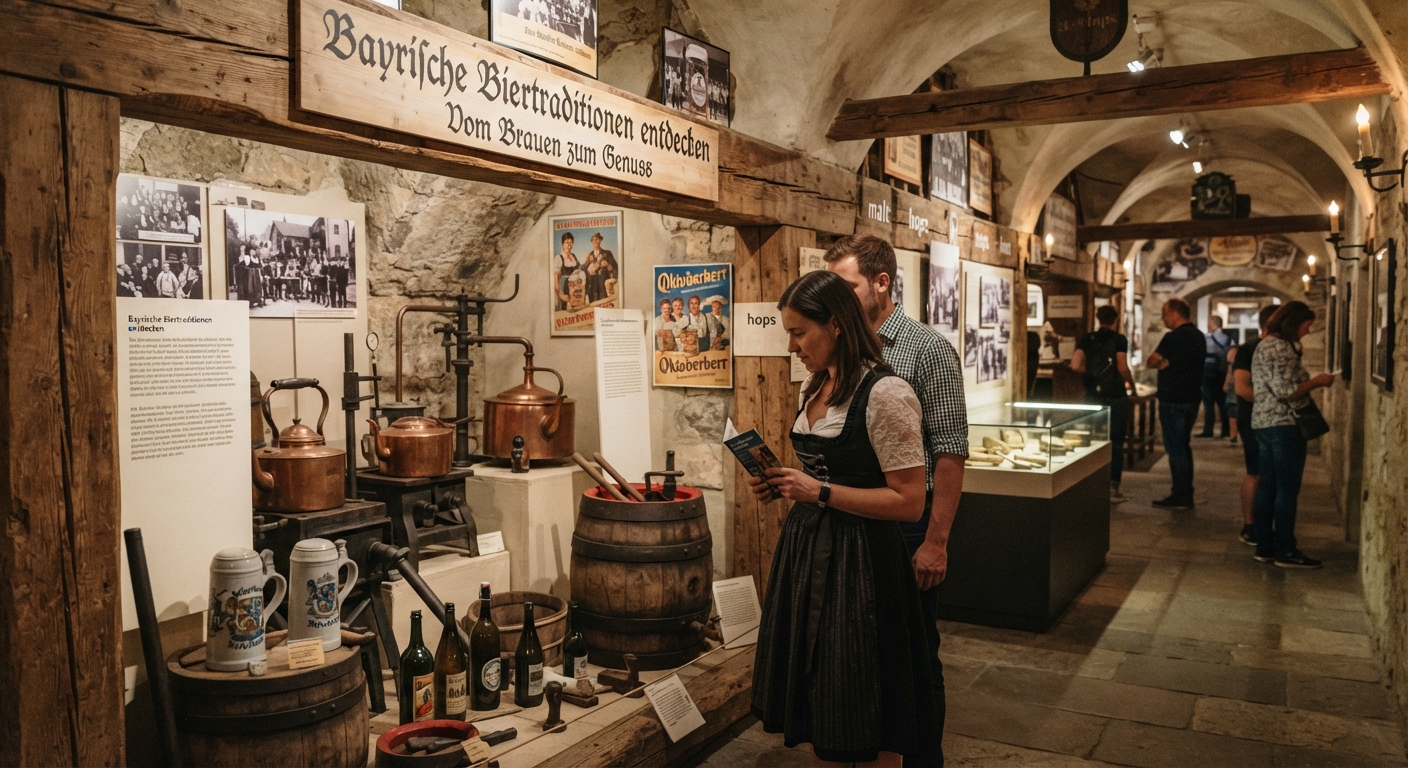
The museum occupies four floors of the historic building. Visitors should be aware that reaching the exhibition areas involves climbing a staircase with 43 steps. This is particularly worth considering for taller visitors and people with mobility limitations.
Learn About Beer Production Through Tours and Tastings
Since opening in 2005, the museum has attracted interest from beer lovers and tourists hoping to understand more about Bavarian cultural traditions.
One of its major attractions is the opportunity to participate in guided tours and beer-tasting sessions.
During these experiences, a professional beer sommelier introduces visitors to different elements of beer culture, including:
- The historical background and production methods of beer.
- Different beer varieties and their individual characteristics.
- Techniques for pouring beer correctly.
- Ways of pairing particular beers with suitable foods.
These activities help visitors understand not only how beer is produced but also why it plays such an important role in Bavarian culture.
The museum provides information in both German and English, making it accessible to international tourists and expatriates who may not be fluent in German.
- Location: Sterneckerstraße 2, 80331 Munich, Germany.
- Official website: Beer and Oktoberfest Museum
- Additional resource: Oktoberfest Guide
- Further visitor information: Living in Munich
Discover Germany's Recent Past at the Museum of Contemporary History, Bonn
The Museum of Contemporary History, also known as the House of the History of the Federal Republic of Germany, is an important destination for people interested in understanding modern German history.
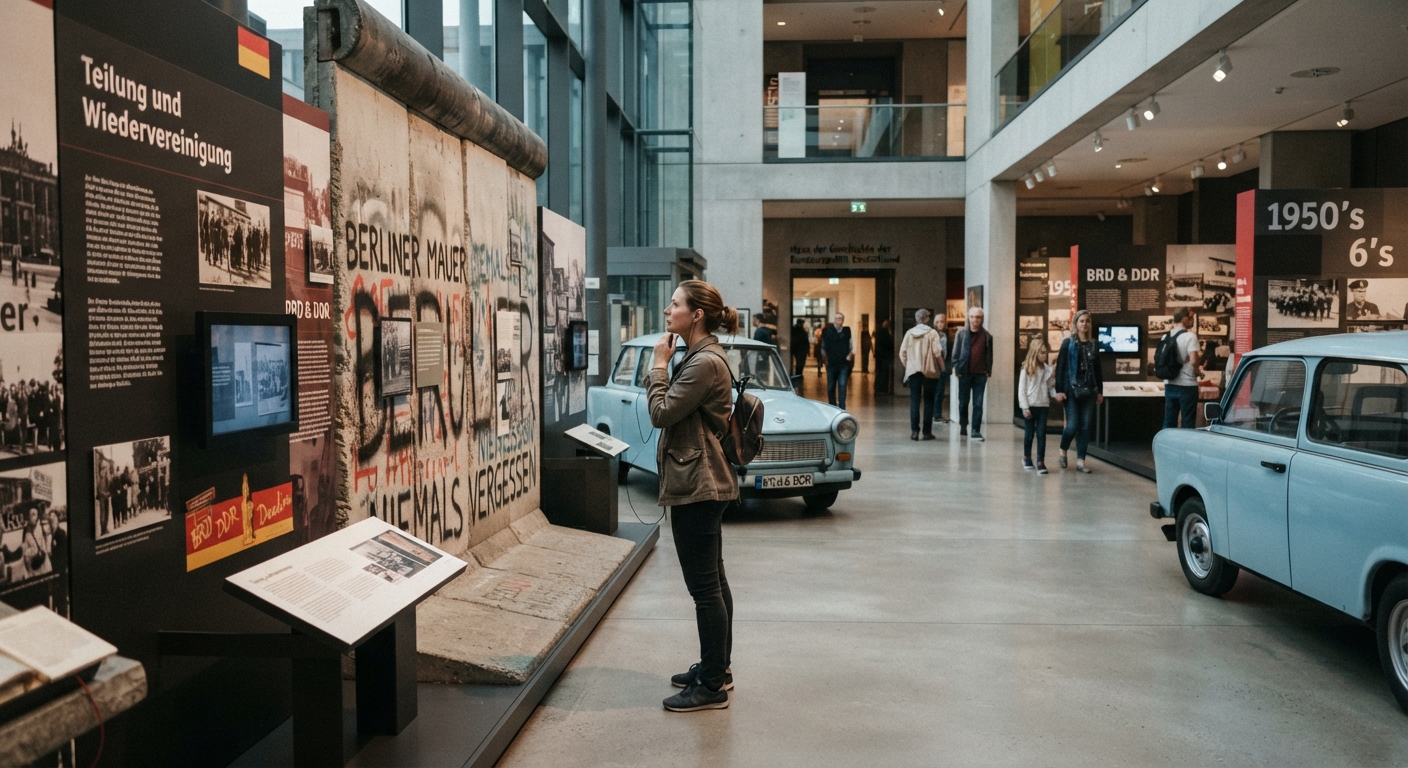
Located in Bonn, the museum documents Germany's development from the conclusion of the Second World War to the present day, paying particular attention to the events and experiences associated with the Cold War.
Its exhibitions are organised chronologically, allowing visitors to follow the country's political, social, and cultural transformation over several decades.
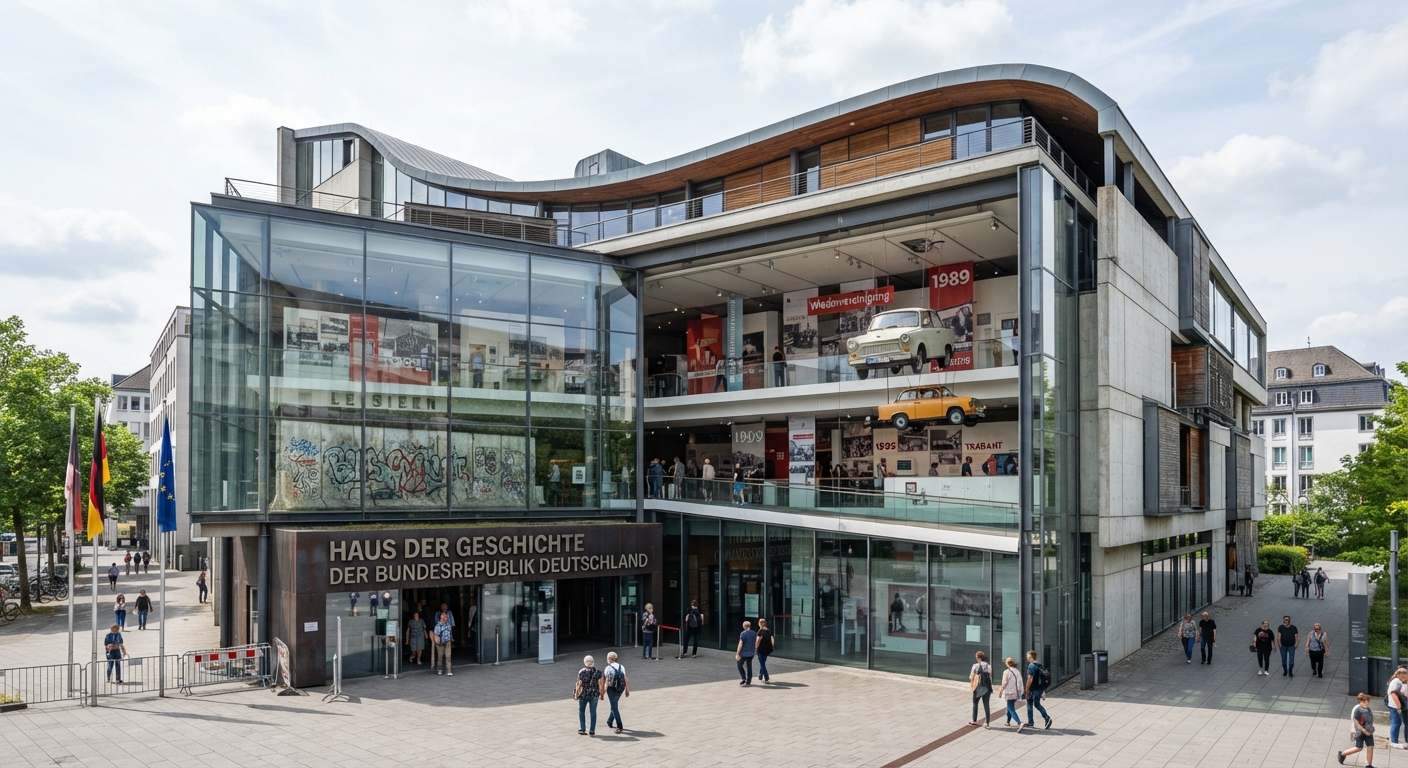
The museum contains approximately 7,000 historical objects displayed across more than 4,000 square metres of exhibition space.
Its collections feature a variety of historical materials, including:
- Historical documents.
- Photographs.
- Audio recordings.
- Film footage.
- Objects and displays illustrating everyday life during different historical periods.
Experience History Through Interactive Exhibitions
Instead of depending entirely on conventional museum displays, the institution uses reconstructed environments and interactive presentations to help visitors connect with different periods of German history.
Some of the experiences available include:
- Watching historical television advertisements inside a cinema designed to recreate the atmosphere of the 1950s.
- Listening to classic rock-and-roll music through a traditional jukebox.
- Exploring a historic aircraft known as the Raisin Bomber.
These interactive features provide an engaging way to discover how people lived, entertained themselves, and experienced technological developments in earlier generations.
Explore Temporary Exhibitions, Public Events, and Learning Activities
Alongside its permanent historical collections, the museum regularly presents temporary exhibitions, public events, and educational programmes.
These additional activities allow visitors to examine different aspects of German society, cultural identity, and everyday life.
One particularly interesting programme focuses on the museum's garden, using it to explain how private gardens and gardening traditions in Germany have developed since the end of the Second World War.
As a result, the museum offers much more than a collection of historical objects. It gives visitors a broader understanding of Germany's changing society, lifestyle, and cultural development.
- Location: Willy-Brandt-Allee 14, 53113 Bonn, Germany.
- Official website: Museum of Contemporary History – Haus der Geschichte