Living in Italy: What Expats Should Know Before Moving
Discover what life in Italy is really like for expats, from the cost of living, housing, and employment opportunities to healthcare, dating, and raising a family. Explore the country's advantages and challenges to help you decide whether Italy is the right place to call home.
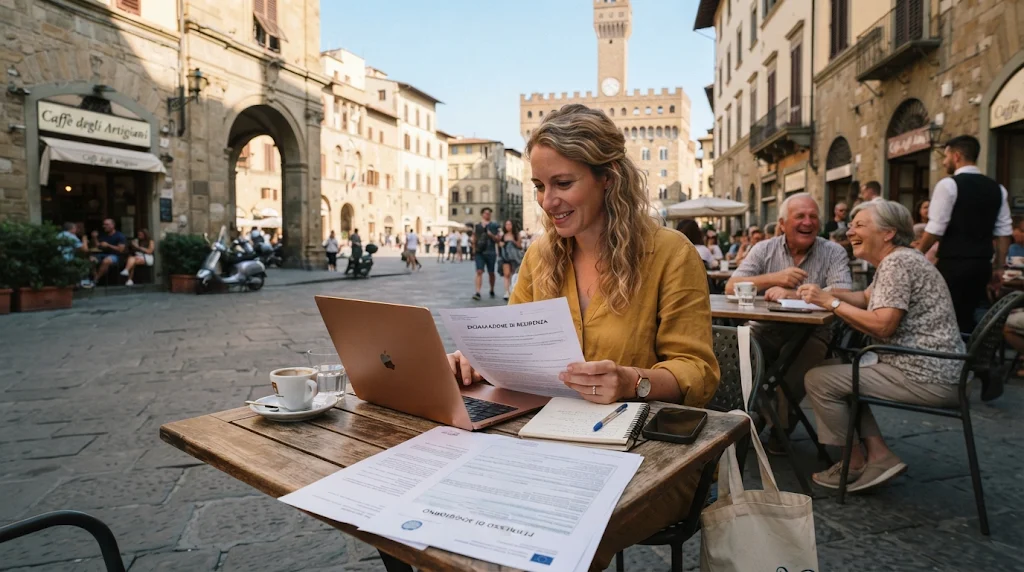
Italy’s lasting charm, picture-perfect scenery, and relaxed lifestyle are enough to make many people consider moving there permanently. But what is everyday life in the country really like? Explore the practical realities of living in Italy, from the cost of living and housing to employment, healthcare, and family life.
Italy’s residents appreciate the simple pleasures of everyday life, such as enjoying an aperitivo with friends and family before dinner. For people raising children, the country also offers an appealing environment, being home to some of the foundations of Western civilization.
Around 5.3 million foreign citizens appear to agree. According to ISTAT, Italy’s national statistics agency, this was the number of foreign nationals living in the country in 2024. However, life in Italy involves more than beautiful scenery and postcard-worthy experiences. Expats must also navigate bureaucracy, language difficulties, and the challenges of finding employment as a foreigner.
These obstacles should not necessarily discourage you from moving to Italy. This guide explores the advantages and disadvantages of expat life, helping you understand il buono, il brutto, e il cattivo – the good, the bad, and the ugly.
What should I expect from everyday life in Italy?
In his book La Bella Figura, author Beppe Severgnini describes the difference between visiting Italy on holiday and actually living there. He explains that Italy is often presented through familiar images of sunset-covered hills, olive groves, lemon trees, white wine, and beautiful women. Living in Italia, however, is a more complicated experience: attractive and fascinating, but full of twists and turns.
La dolce vita: scooters, style, and a relaxed lifestyle
Life in Italy generally moves at a relaxed pace. People make time to rest, spend time with others, and enjoy ordinary moments. You may even find yourself being encouraged to work less, as Italians are often happy to share their opinions about almost anything.
Nevertheless, behind every attractive Aperol spritz photo on social media, there may be an inconvenient experience involving traffic, administrative procedures, or language difficulties.
In Internations' 2023 Expat Insider survey, Italy was placed among the ten lowest-ranked destinations for living abroad. Respondents were particularly dissatisfied with low wages, insecure employment, bureaucracy, limited digital connectivity, and political instability. On the positive side, they appreciated the country's entertainment options, cultural attractions, and nightlife.
2. Is living in Italy financially manageable?
How much you enjoy the Italian lifestyle will largely depend on your income. With a generous salary, you may have enough money and free time to enjoy the sunshine and everything the country offers. With a more modest income, however, you may need to settle for a smaller apartment rather than a spacious villa.
According to Numbeo, a family of four in Italy spends almost €3,000 monthly on living expenses, excluding rent. This is less than the equivalent costs in neighbouring France, Switzerland, and Austria, but slightly more than in Slovenia. In other words, a cappuccino on an Italian cobblestone street can genuinely cost less than it would in several other countries.
The price of everyday living in Italy
Read more:
- Moving
- The cost of living in Italy
Average rental costs in Italy are also lower than in its neighbouring countries, except Slovenia. Americans moving to Italy can expect consumer prices, including rent, to be approximately 31.5% lower.
However, certain Italian cities can be surprisingly expensive for newcomers. In Mercer's 2023 Cost of Living Ranking, Milan was the 49th most expensive city out of 227 worldwide, while Rome ranked 59th.

Another important consideration is the country's relatively low salary levels. In 2022, the average net annual salary in Italy was €44,546. By comparison, the figures were €106,839 in neighbouring Switzerland, €66,642 in the United States, and €51,785 in the United Kingdom, although the US and UK figures relate to 2019.
Understanding the Italian tax system
Like many aspects of life in Italy, the tax system is varied and can be complicated. Residents may experience both advantages and disadvantages. Personal income tax is relatively high compared with many other countries, while corporate and inheritance taxes are lower.
Italy operates a progressive income tax system, meaning your tax rate increases as your earnings rise. Residents can generally expect to pay between 23% and 43% of their taxable income.
Fortunately, several deductions and tax credits can help reduce the amount payable. Common examples include credits for family and medical expenses, mortgage interest, and pension income.
Read more:
- Finance
- The tax system in Italy
Many expats consider the taxes they pay worthwhile because they help fund a broad range of public services and social benefits, including:
- Public healthcare: Italy offers universal healthcare coverage to residents. Tax revenue helps finance hospitals, medical centres, and other healthcare services.
- Education: Public education is free up to secondary school level.
- Social welfare: Government-funded support includes unemployment payments, disability benefits, and assistance for families.
- Public services and infrastructure: Taxes contribute to facilities and services such as transport, public security, and infrastructure.
3. Is finding romance in Italy easy?
Do you imagine sharing a romantic moment with someone special beside a beautiful blue Italian stream? The familiar image of the passionate Italian lover may not always match reality. Whether Italy is an ideal place to find a partner depends largely on individual experiences and expectations.
Generally, Italians prefer to take their time when developing romantic relationships. Rather than rushing into commitment, many enjoy getting to know someone gradually and building a relationship around affection and trust.
There are also some traditional expectations in dating, particularly in relationships between men and women:
- Men are still commonly expected to pay the bill.
- Holding doors open for women is generally viewed as basic good manners.
- Your date may offer to drive you home or collect you from work. This is often a practical gesture, as travelling by car can be quicker than using public transport.
- Conversations frequently include cultural subjects. Knowing something about Italian cuisine, art, music, and history can help you understand the country better and give you interesting things to discuss with a potential partner.
- Having sex on a first date is not unheard of. Some Italians consider oral sex more intimate than sexual intercourse.
- Living
- Dating in Italy: finding love as an expat
Whether you meet someone online or in person, expect your date to arrive fashionably late but looking well dressed. You might also discover some excellent restaurants along the way. As the Italian saying goes: La vita è troppo breve per non innamorarsi – life is too short not to fall in love.
Getting married, of course, is an entirely different matter.
LGBTQ+ relationships and dating in Italy
Italy decriminalized consensual same-sex sexual activity between men and women in 1890. Although 61% of Italians support same-sex marriage, according to the referenced survey (PDF), the country currently recognizes civil unions rather than same-sex marriage. Same-sex couples are also unable to adopt children.
LGBTQ+ expats will find a lively and varied community in several major northern Italian cities. Milan is widely regarded as the centre of gay life in Italy, with numerous cafés, bars, and clubs. Rome, Florence, Taormina, and Bologna also provide opportunities to meet people and explore LGBTQ+ social life.
More rural communities, particularly in southern Italy, tend to hold more conservative views. However, attitudes and circumstances have been gradually changing in recent years.
4. What is the workplace experience like for expats in Italy?
The relaxed lifestyle associated with la dolce vita does not necessarily describe the Italian working environment. Work culture is often a combination of hard work and leisure. Extended lunch breaks are common, but workplaces can also have strongly hierarchical management structures. This is particularly noticeable in family-owned businesses, which account for 85% of Italian organizations.
Italian employees work an average of 36 hours per week. The legal maximum is 40 regular working hours, with an additional eight hours of overtime.
A typical working schedule runs from Monday to Friday, usually from 8:00 or 9:00 until 13:00, followed by a break and a return to work between 15:00 and 18:00 or 19:00. That means lunch breaks can last around two hours.
For anyone who values a healthy balance between work and personal life, Italy has plenty to offer. The country ranks first on the OECD's work-life balance index, with leisure activities taking up more than two-thirds of the average Italian's day.
It is fair to say that Italy could teach other countries a few lessons about balancing work and personal time. Only around 3% of Italian employees work exceptionally long hours, compared with the OECD average of 10%.
Personal connections are also important in professional settings. Colleagues may invite one another for drinks after work, while business discussions often take place over meals at carefully selected restaurants.
Finding employment in Italy as a foreigner
According to the International Monetary Fund, Italy is the world's tenth-largest economy. Manufacturing and services are its largest economic sectors.
Traditionally, foreign workers have found opportunities in tourism and English-language teaching. However, competition for positions in both industries can be considerable.
More recently, demand has increased for specialists in healthcare, information technology, and engineering. Engineers, medical professionals, and programmers are sought after, alongside skilled workers in areas such as woodworking and weaving.
Most businesses are based in larger cities. As a result, people hoping to settle in the Italian countryside may need to make some compromises when looking for employment. Although jobs are available in different parts of the country, international applicants are generally more likely to find opportunities in major commercial centres such as Milan and Rome.
- Working
- Finding and applying for jobs in Italy
Citizens of EU countries can work in Italy without obtaining a special work permit. People from outside the EU, however, will need their employer to arrange the necessary work visa.
It is also important to confirm that prospective employers accept your academic and professional qualifications. The Italian Information Centre on Academic Mobility and Equivalence (CIMEA) provides information about how foreign qualifications compare with Italian diplomas.
In February 2024, Italy's overall unemployment rate was 6.5%, according to the referenced PDF, marking its lowest level since April 2020. Youth unemployment, which covers people aged 15 to 24 who are looking for work, stood at 22.8%.
As a result, many young Italians are choosing to leave the country because of unstable employment contracts and low wages.
For foreign jobseekers, the vacancies left behind may create opportunities. However, personal and professional relationships remain important when searching for work. Building a strong network can improve your chances of finding employment. It may also be worthwhile to send speculative applications, as Italian employers do not always advertise available positions immediately.
What salaries can expats expect in Italy?
Italy does not have a legally established national minimum wage. Although the Italian Constitution protects workers' right to receive enough income to live on, this principle has not been translated into a statutory minimum wage.
Instead, wages are determined through collective bargaining agreements negotiated at industry level. This arrangement is known as contrattazione collettiva nazionale di lavoro (CCNL).
However, having a job does not necessarily guarantee financial security. A 2021 working group report (PDF in Italian) confirmed that some employed people in Italy can still be at risk of poverty.
Salaries for expats are generally comparable to those in other Southern European countries. According to the OECD, Italy's average annual wage was US$44,893 in 2022, below the OECD average of US$53,416.
Workers in the United Kingdom and France generally earn more than their Italian counterparts, while average wages in Spain and Poland are lower.
5. Is buying or renting a home in Italy affordable?
The many stories about foreigners purchasing homes in Italy might make it seem straightforward to find and buy a property in the country, provided you have the necessary funds.
In reality, the rules governing property purchases can differ depending on your nationality.
Citizens of EU and EEA countries follow the same property-buying procedures as Italian nationals. Stateless individuals and recognised refugees also enjoy the same rights, provided they have lived in Italy for at least three years.
People from other countries may purchase property in Italy if their home country has a reciprocal agreement with Italy. If no such agreement exists, buying a property may not be possible. Italian notaries are not permitted to prepare property contracts for citizens of countries without the required reciprocity arrangement.
However, people who are tax residents in Italy are exempt from this reciprocity requirement.
It is also important to understand that purchasing a property in Italy does not automatically give you the right to a residence visa.
Mortgage options for expats in Italy
Foreign residents, including people who do not live permanently in Italy, can generally find it relatively straightforward to apply for a mortgage.
Italian banks typically lend up to approximately 70% of a property's purchase price. The minimum mortgage amount is usually more than €50,000, while repayment periods can range from five to 30 years.
Whether your mortgage application is approved will mainly depend on the amount you want to borrow, your nationality, your age, and your financial circumstances.
You will usually be asked to provide income tax declarations that have been apostilled or notarized.
Taking out a mortgage in Italy can involve several additional costs, including:
- Mortgage application charges.
- Property surveyor fees.
- Mortgage taxes.
- Insurance costs and translation fees, where necessary.
Typical property prices across Italy
Property values in Italy are generally considered stable, and real estate continues to be viewed as a relatively safe investment.
As of March 2024, residential properties averaged approximately €2,043 per square metre, with prices showing an upward trend.
The most expensive property market is generally found in the country's northeast. Trentino-Alto Adige had the highest advertised property prices, averaging €3,331 per square metre.
Although you may be tempted by the idea of purchasing an old Italian palazzo, historic properties can come with practical challenges. Their traditional architecture may be appealing, but some older buildings have poor insulation, outdated plumbing, or old electrical systems. It is therefore important to investigate a property carefully before paying a deposit.
When applying to rent a property, landlords will generally request your identification card and tax identification number (codice fiscale). They may also ask for copies of your tax returns to confirm that you can afford the rent.
Rental costs in Italy
Rental prices follow similar regional patterns. The average monthly rent is approximately €13.38 per square metre.
If you have just moved to Italy, renting for a while before purchasing a home may be a sensible approach. The amount you pay will depend largely on the location and type of property you choose.
- Housing
- Renting a property in Italy
Generally, southern Italy is cheaper than the north, while the country's largest cities tend to have higher rental costs. Tenants in expat-popular Milan and the wider Lombardy region can expect to pay almost twice as much as renters in Campania or Piedmont.
Buying a €1 house in Italy
Since 2008, several Italian towns and villages have offered properties for symbolic prices starting at just €1. The initiative is designed to attract new residents and address population decline in smaller communities. People of different nationalities have shown interest in these offers.
However, purchasing one of these properties usually comes with strict conditions. Buyers are commonly required to spend a specified amount renovating the building and bringing it up to the required standards within an agreed timeframe.
Most €1 properties need extensive renovation work, which can cost tens of thousands of euros. Buyers may also need to budget for estate agent commissions, taxes, and utility connection charges.
In some cases, the property can be returned to the local municipality if the new owner fails to fulfil the agreed obligations.
Anyone considering a €1 home in Italy should therefore examine the sale conditions carefully and understand all the associated expenses before completing the purchase.
6. What is life like for women in Italy?
In October 2022, Italy appointed Giorgia Meloni as its first female prime minister. However, her election did not necessarily signal progress in women's rights, as her political party, Brothers of Italy (Fratelli d'Italia), supports traditional gender roles and opposes abortion.
Legally, women in Italy have the same rights as men, with broadly equal access to employment, business opportunities, and education. Nevertheless, everyday experiences can differ. Women spend more time working than men, including a greater share of unpaid work, according to the referenced PDF.

As with several other quality-of-life measures, women generally experience better conditions in northern Italy than in the south. In the 2023 quality-of-life rankings published by Il Sole 24 Ore, Udine, Lecco, and Prato occupied the top positions. Foreign women living in Italy are likely to encounter similar regional differences.
The difference between men's and women's pay
According to the OECD, women in Italy earn an average of 5.7% less than men.
In the EU's 2023 Gender Equality Index, Italy ranked 13th, scoring 68.2 out of 100. This was below the EU average of 70.2.
Its position is considerably weaker when compared with countries around the world. The World Economic Forum placed Italy 63rd in its 2023 Global Gender Gap Index (PDF).
Italy's National Institute of Statistics also highlighted women's employment difficulties in a 2019 report (PDF). The report pointed to obstacles to entering the labour market, less secure working arrangements, and a significant gender pay gap in the private sector.
How safe is Italy for women?
Women in Italy may occasionally experience street comments such as Ciao, Bella, a situation that is not unique to the country.
According to the 2018 European Social Survey, 63.7% of women said they felt safe or very safe walking around their neighbourhood after dark. The corresponding figure for men was 78.1%. However, the situation appears to have improved somewhat, with a 2023 Gallup poll recording a figure of 64% for women.
Many women nevertheless describe Italy as a safe country to live in. This is partly attributed to its comparatively low crime rate and strong sense of community.
The government has also introduced measures intended to improve women's safety and rights. In 2021, Italy ratified the International Labour Organization's Violence and Harassment Convention, 2019 (No. 190). This international labour standard recognizes everyone's right to a workplace and world free from violence and harassment.
Foreign-born victims of domestic violence also have legal protections. Under Italian immigration law, they can apply for a special residence permit on humanitarian grounds without having to fear deportation, provided they report their partner's conduct and seek legal protection against the abuse.
7. What is it like to bring up children in Italy?
Growing up in Italy can offer children many valuable experiences. Children from international families may become bilingual or multilingual and develop an early appreciation of the country's history and culture. They can also grow up with a strong understanding of the importance of family relationships.
Family, or famiglia, plays a central role in Italian society. Close relationships and loyalty remain important features of family life. It is still common for relatives to gather at their grandmother's home (Nonna) for lunch. Parents frequently continue supporting their children through university, and some young adults remain in the family home until their thirties.
International families can also benefit from Italy's range of educational and recreational opportunities for children. The country has more than 80 international schools, offering education in English, French, and Italian. Children are also covered by Italy's public healthcare system, which is regarded as one of the most efficient in the world.
Childcare arrangements in Italy
It is normal for both parents to work in Italy. Because family connections are so important, grandparents often help look after children while their parents are at work.
For expat parents who do not have relatives nearby, there are several childcare options available. These include:
- Nurseries (nido d'infanzia): Some facilities accept babies from as young as three months.
- Preschools (scuola materna or scuola dell'infanzia): These generally cater to children between three and six years old.
- Individual childcare providers: Parents can also hire private caregivers, including nannies.
Children are recognised as individuals with rights in Italy and are entitled to childcare support.
The Single and Universal Allowance for Children (Assegno unico e universale per i figli) provides financial assistance to families with children. Eligible families can receive the allowance from the seventh month of pregnancy until the child reaches 21 years of age. The amount ranges from a minimum of €50 to a maximum of €175.
Additional financial support is also available for children with disabilities.
Why many Italian adults continue living with their parents
Family relationships are so important in Italy that some people remain in the parental home well into adulthood. The large number of young adults who continue living with their parents has become a significant social and political issue.
As of 2022, almost 70% of Italians aged between 18 and 24 were still living with their parents.
However, this situation is not simply a matter of young people being reluctant to become independent. It also reflects wider economic and social challenges.
Some experts link the trend to high unemployment and limited job opportunities in an economy that has struggled since the 2008 financial crisis. Others believe cultural expectations play a major role, as Italian parents are often more willing than parents in other countries to provide financial and practical support to their children for longer.
Recent court decisions have also established that adult children cannot expect unlimited financial support from their parents.
For international families, the situation may be less of a concern because expectations about when children should leave home are also influenced by their parents' home cultures. Even so, it is important to understand the childcare and family laws that apply while living in Italy.
8. How does healthcare work for expats in Italy?
Italy performs well in international healthcare rankings, partly because of its relatively low rates of serious illness and the quality of its medical services.
According to the European Commission's 2021 Country Health Profile for Italy (PDF), only 1.8% of the population reported having unmet medical needs. This was close to the European average.
Public healthcare is available to people living in Italy and is largely financed through taxation. Italian citizens and legal residents can access the country's healthcare services through the national health system, known as the Servizio Sanitario Nazionale (SSN), provided they have a valid health card (tessera sanitaria).
Visitors from EU or European Free Trade Association (EFTA) countries who stay in Italy for fewer than three months can use their European Health Insurance Card (EHIC) to access healthcare services.
Despite these advantages, language can be a challenge when seeking medical treatment. You may need some knowledge of Italian to communicate effectively with healthcare professionals. Gestures alone may not be enough to explain your symptoms or understand medical instructions.
Consider taking an Italian phrasebook or dictionary with you, or bringing along someone who speaks the language, to help ensure you receive the care you need.
Private medical insurance in Italy
Because Italy's public healthcare system is funded through taxes, you do not need separate health insurance if you intend to rely entirely on the SSN and are eligible to use it.
However, many expats choose to supplement their public healthcare coverage with private insurance. This can be particularly useful if you travel abroad frequently, prefer to consult English-speaking doctors, or have recently arrived in Italy and are not yet covered by the SSN.
- Healthcare
- Guide to getting health insurance in Italy
Some international insurance providers offering plans suitable for expats in Italy include:
- Allianz Care
- APRIL International
- Cigna Global
9. What are the biggest disadvantages of living in Italy?
Living in Italy is not the same as spending a holiday there. Although the country offers many attractive features, everyday life also comes with challenges.
One of the most significant drawbacks for expats is the relatively low level of salaries. Average earnings in Italy are considerably below those in countries such as Switzerland, the United Arab Emirates, the Netherlands, Bahrain, and Spain.
Foreign residents who do not speak Italian may also find it harder to settle in. Although many Italians can communicate in English, this is not something you can expect everywhere in the country.
The language barrier can be substantial, particularly when dealing with administrative procedures, public services, or other everyday tasks. Having a reasonable command of Italian can make a major difference when trying to get things done.
10. What makes living in Italy so appealing?
If you are wondering what makes Italy attractive, the answer is not difficult to find. The country has a remarkable number of advantages to offer.
Beautiful weather? Absolutely. Delicious food and wine at reasonable prices? Certainly. Historic landmarks and cultural experiences close to home? Without a doubt.
Good healthcare, welcoming local communities, and convenient access to other European destinations are further reasons to consider making Italy your home.
Ultimately, Italy has plenty going for it. Its people understand the value of enjoying life without necessarily spending a fortune. For many expats, la dolce vita is not only an attractive idea but also an achievable way of life.