Understanding Italy’s Education System
Explore Italy’s education system, from primary and secondary schooling to vocational training and university education. Learn about school stages, age requirements, academic pathways, qualifications and opportunities for students planning to study in Italy.
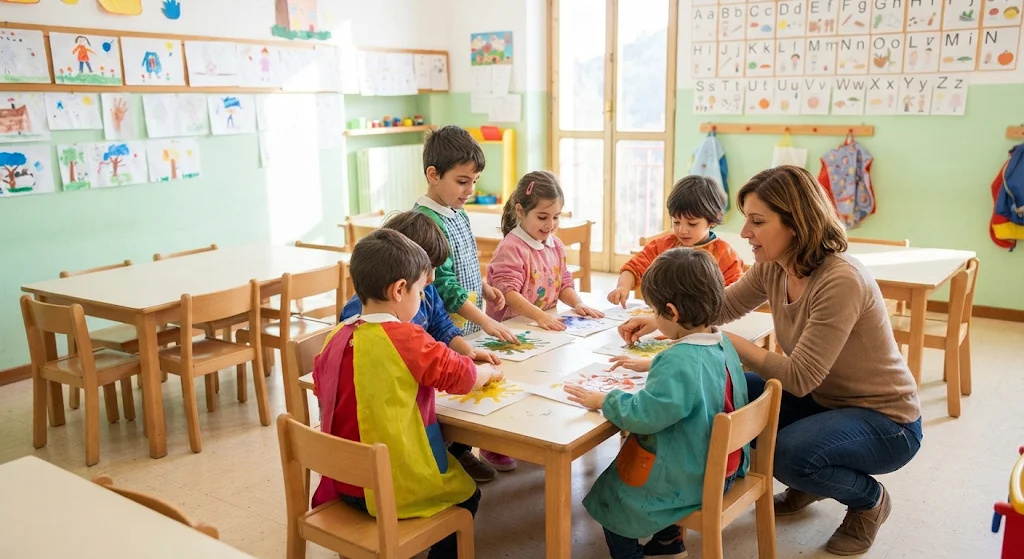
Italy has a structured education system that covers early childhood education, primary and secondary schooling, vocational training and higher education. Education is compulsory for ten years, generally between the ages of 6 and 16. The system is organised into different stages, allowing students to follow academic, technical or vocational pathways depending on their interests and future career goals.
Overview of the Education System
The following outlines the main stages, their Italian names, typical age groups, duration and qualifications.
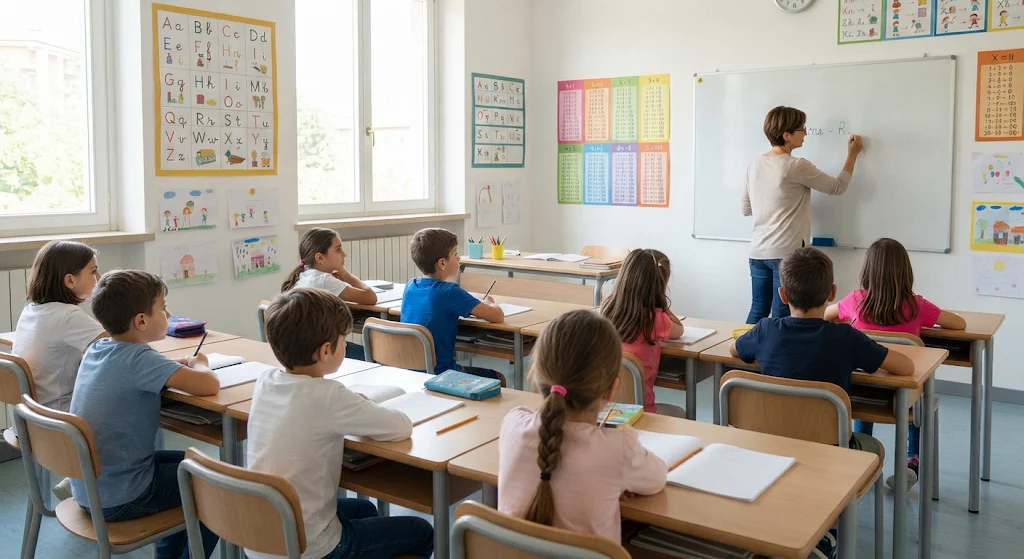
Primary Education
- Italian name: Scuola Primaria
- Typical age: 6–11 years
- Duration: 5 years
- Level: Primary education
Primary education provides children with the foundations for further learning. Pupils progress to lower secondary school after completing this stage. The previous entrance examination requirement for lower secondary education, which involved written and oral assessments, has been discontinued.
Lower Secondary Education
- Italian name: Scuola Secondaria di Primo Grado
- Also known as: Scuola Media
- Typical age: 11–14 years
- Duration: 3 years
- Level: Middle or lower secondary education
This stage follows primary education and completes the first cycle of Italy's school system. Students develop their knowledge across a range of subjects before progressing to upper secondary education. Successful completion leads to the lower secondary school-leaving qualification.
Upper Secondary Education
- Italian name: Scuola Secondaria di Secondo Grado
- Typical age: 14–19 years
- Duration: Generally 5 years
- Level: Upper secondary education
Students choose a pathway according to their academic interests and career plans. The principal options include:
- Liceo: General and academically oriented education.
- Istituto Tecnico: Technical education combining academic subjects with specialist and practical training.
- Istituto Professionale: Professional and vocational education focused on occupational skills.
At the end of the programme, students normally take the final state examination, known as the Esame di Stato conclusivo del secondo ciclo di istruzione, also commonly referred to as the Esame di Maturità. Successful candidates receive an upper secondary qualification that can provide access to university and other higher education programmes.
Regional Vocational Education and Training
- Italian name: Istruzione e Formazione Professionale (IeFP)
- Typical age: Generally 14–18 years
- Duration: Commonly 3 or 4 years
- Level: Vocational education and training
Regional vocational education and training provides an alternative to the traditional upper secondary school route. It focuses on practical learning and preparation for particular occupations. These programmes can lead to a vocational qualification or professional diploma, depending on the course completed.
Technical Institutes
- Italian name: Istituto Tecnico
- Typical age: 14–19 years
- Duration: 5 years
- Level: Upper secondary technical education
Technical institutes provide specialist education in areas such as technology, economics and other professional fields. Students combine general academic subjects with technical knowledge and practical learning. Successful completion leads to an upper secondary state diploma.
Classical, Scientific and Language High Schools
- Italian names: Liceo Classico, Liceo Scientifico and Liceo Linguistico
- Typical age: 14–19 years
- Duration: 5 years
- Level: General and specialised upper secondary education
These schools provide academically focused programmes:
- Liceo Classico: Emphasises classical studies, literature, history and philosophy.
- Liceo Scientifico: Focuses on mathematics, science and other academic subjects.
- Liceo Linguistico: Concentrates on foreign languages and cultural studies.
Other liceo pathways include the Liceo delle Scienze Umane, which focuses on human and social sciences, and artistic and musical programmes.
Diploma di Maturità
The Diploma di Maturità is the traditional name associated with the upper secondary school-leaving qualification in Italy. The modern qualification is generally awarded following successful completion of the final state examination.
Historically, the diploma was associated with several educational pathways, including:
- Arte Applicata (Applied Arts): Associated with education at an Istituto d'Arte.
- Classico (Classical Studies): Awarded through a Liceo Classico.
- Musicale (Music): Associated with specialist music education.
- Professionale (Vocational): Connected with an Istituto Professionale.
- Scientifico (Scientific Studies): Associated with a Liceo Scientifico.
- Tecnico (Technical Studies): Awarded through an Istituto Tecnico.
The precise qualification title depends on the educational programme and the applicable regulations.
Professional Institutes
- Italian name: Istituto Professionale
- Typical age: 14–19 years
- Duration: Generally 5 years
- Level: Upper secondary professional education
Professional institutes prepare students for specific areas of employment through a combination of general education, specialist subjects and practical training.
The earlier three-year professional qualification route is associated with the Diploma di Qualifica. Under the current system, regional vocational programmes may award three-year qualifications, while five-year professional institute programmes lead to an upper secondary diploma following the final state examination.
Artistic Education
- Italian name: Liceo Artistico
- Typical age: 14–19 years
- Duration: 5 years
- Level: Upper secondary artistic education
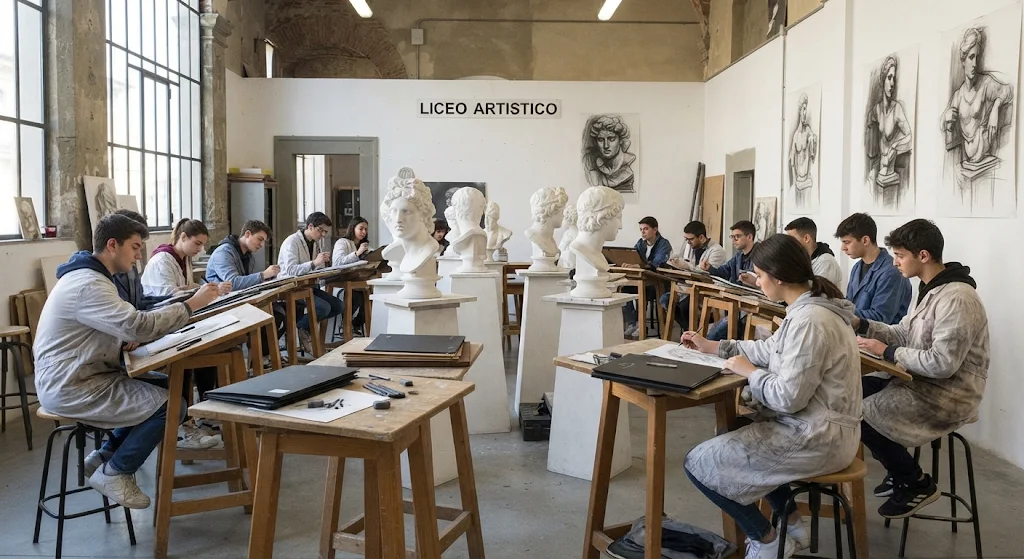
The Liceo Artistico provides specialist education in visual arts, design and related creative disciplines. Students develop artistic knowledge and practical skills while completing their general education.
Historically, artistic qualifications were also associated with institutions such as the Istituto d'Arte. The modern Liceo Artistico forms part of the upper secondary education system.
Tertiary Education
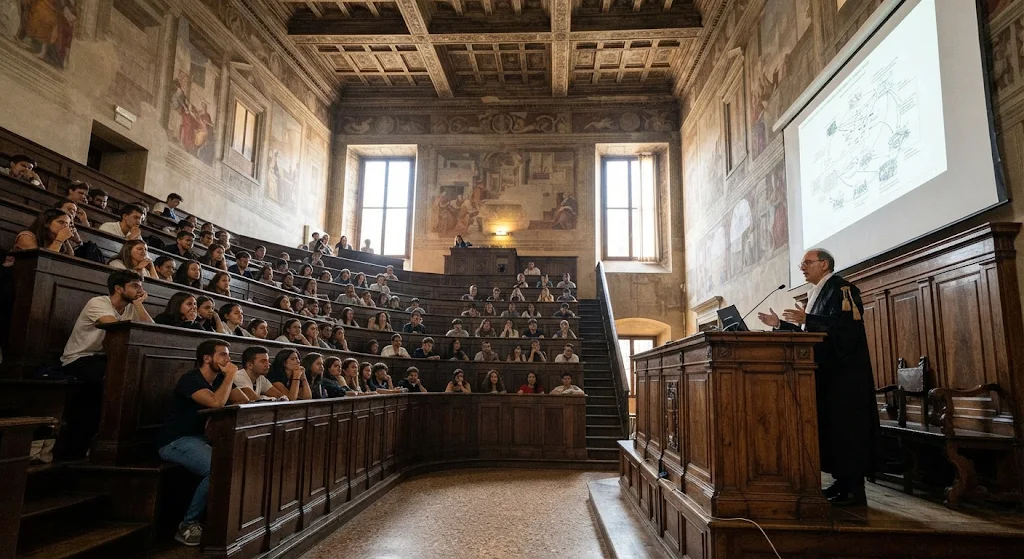
Higher education in Italy is organised into academic cycles, with universities offering undergraduate, postgraduate and doctoral programmes.
First Cycle
- Italian qualification: Laurea
- Common name: Laurea Triennale
- Typical duration: 3 years
- Credits: 180 ECTS
- Level: First-cycle university degree
This is the standard undergraduate university qualification. It provides students with a foundation in their chosen academic discipline and prepares them for employment or further studies.
Second Cycle
- Italian qualification: Laurea Magistrale
- Typical duration: 2 years
- Credits: 120 additional ECTS
- Level: Second-cycle university degree
This programme provides more advanced academic and professional knowledge. Admission normally requires a relevant first-cycle university degree.
Some disciplines offer a single-cycle master's programme (Laurea Magistrale a ciclo unico), which usually takes five or six years instead of following separate undergraduate and postgraduate stages.
Third Cycle
- Level: Doctoral and advanced postgraduate education
- Typical duration: Varies according to the programme
Third-cycle education includes:
- Dottorato di Ricerca: Research doctorate or PhD programmes.
- Corsi di Specializzazione: Specialist postgraduate programmes.
- Master Universitario di Secondo Livello: Second-level university master's programmes.
These programmes provide advanced academic, research or professional training for people who have completed the relevant previous qualifications.
Primary Education
In Italy, discussions about education sometimes involve the place of religion and religious symbols in schools. Nevertheless, primary education remains an important part of the country's public education system.
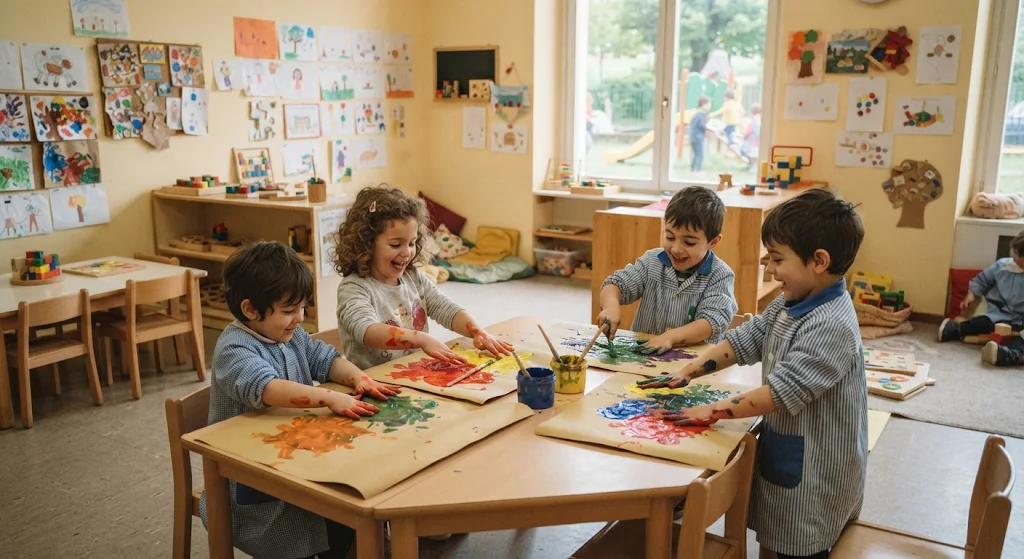
Children generally attend preschool before beginning primary school. Early childhood education is organised into two main stages: childcare services for children aged 0–3 and preschool, known as scuola dell'infanzia, for children aged 3–6. These stages are not compulsory.
At around six years old, children enter scuola primaria, where they study for five years.
The primary school curriculum introduces pupils to a range of foundational subjects, including:
- Italian language
- English
- Mathematics
- Science
- Geography
- History and social studies
- Music
- Art and other creative activities
- Technology and digital learning
- Physical education
- Religious education, which is optional
The objective is to develop children's basic literacy, numeracy, communication, social and problem-solving skills.
After completing the five-year primary programme, pupils normally move directly into lower secondary education. There is no longer a separate entrance examination of the kind described in older accounts of the Italian system.
Primary education is compulsory and free in state schools, although families may still need to cover certain expenses, such as meals, transport, books or school materials, depending on local arrangements.
Middle Education
Lower secondary education, commonly called Scuola Media, is the second stage of compulsory schooling in Italy.
It normally covers three academic years, with students attending between approximately 11 and 14 years of age. The official name is Scuola Secondaria di Primo Grado.
During this period, pupils study a broader range of subjects and develop the academic foundations needed for upper secondary education.
The curriculum generally includes:
- Italian
- Mathematics
- Science
- History
- Geography
- English
- A second foreign language
- Technology
- Art
- Music
- Physical education
- Religious education, which is optional
Schools organise their timetables according to the applicable national requirements and local arrangements. Weekly teaching hours can vary depending on the school timetable and the programme offered.
At the end of the third year, students take the final examination, known as the Esame di Stato conclusivo del primo ciclo di istruzione. It assesses their learning through written and oral components.
Students who successfully complete the examination receive the lower secondary school-leaving qualification, traditionally known as the Diploma di Licenza Media. This qualification allows them to progress to upper secondary education.
Secondary Education
Upper secondary education in Italy is known as Scuola Secondaria di Secondo Grado. It normally begins at approximately 14 years of age and lasts five years.
Education is compulsory until the age of 16. Students must therefore complete the first two years of upper secondary education or follow an approved regional vocational education and training programme. The broader right and duty to education and training extends to age 18 or until a recognised qualification is obtained.
After completing lower secondary school, students choose an educational pathway based on their interests, abilities and future plans.
The main upper secondary options are:
1. Liceo – General and Academic High Schools
Liceo programmes provide a broad academic education and are particularly suitable for students considering university studies.
Different specialisations include:
- Liceo Classico: Classical languages, literature, history and humanities.
- Liceo Scientifico: Mathematics, physics and natural sciences.
- Liceo Linguistico: Foreign languages and international cultures.
- Liceo delle Scienze Umane: Social sciences, psychology and education.
- Liceo Artistico: Art, design and creative disciplines.
- Liceo Musicale e Coreutico: Music, dance and performance.
2. Istituto Tecnico – Technical Institutes
Technical institutes combine general academic subjects with specialist education and practical experience.
Their programmes are designed to prepare students for technical occupations and can also provide access to higher education.
3. Istituto Professionale – Professional Institutes
Professional institutes concentrate on practical and occupation-specific education. Students develop skills that can support entry into particular industries while retaining the option of continuing their studies.
In general, upper secondary education lasts five years and concludes with the Esame di Stato. Successful completion leads to an upper secondary diploma, which can be used when applying to universities and other eligible higher education institutions.
Vocational Education
Vocational education in Italy provides students with practical training and the professional skills required for specific occupations.
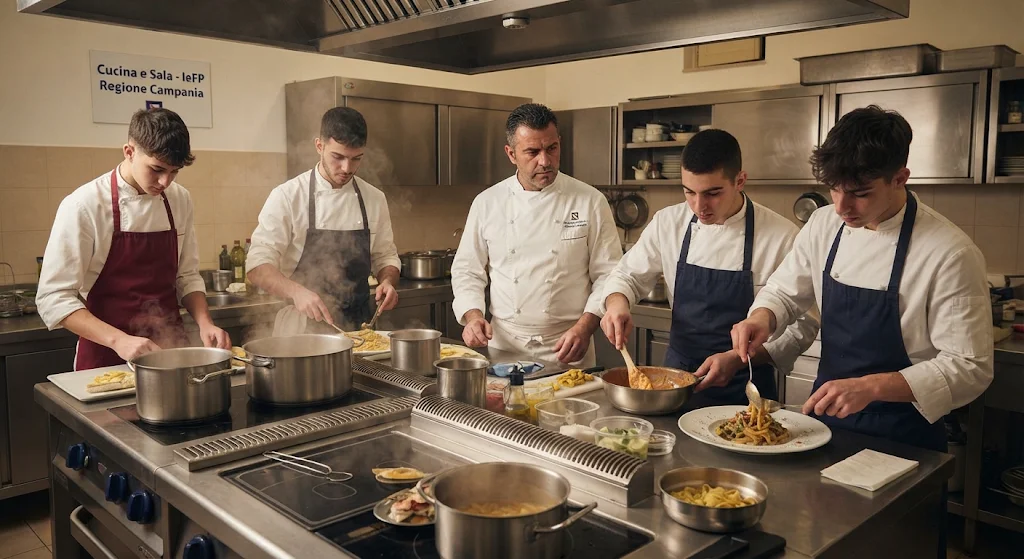
The regional Istruzione e Formazione Professionale (IeFP) system offers an alternative to conventional academic upper secondary education. These programmes are organised by Italy's regions and delivered through accredited vocational training institutions and other authorised providers.
The main qualifications include:
- Three-year vocational qualification: Qualifica Professionale.
- Four-year professional diploma: Diploma Professionale.
Students may also have opportunities to continue their education through further technical or vocational pathways, depending on their qualifications and regional arrangements.
Vocational programmes combine classroom learning with practical activities, workshops and, where applicable, workplace experience. They cover different occupational areas, including hospitality, tourism, mechanics, construction, catering, personal services and other technical fields.
Italy also participates in European education and training frameworks. These help support the recognition and comparability of qualifications and make it easier for people to pursue further training or employment opportunities across European countries.
Tertiary Education
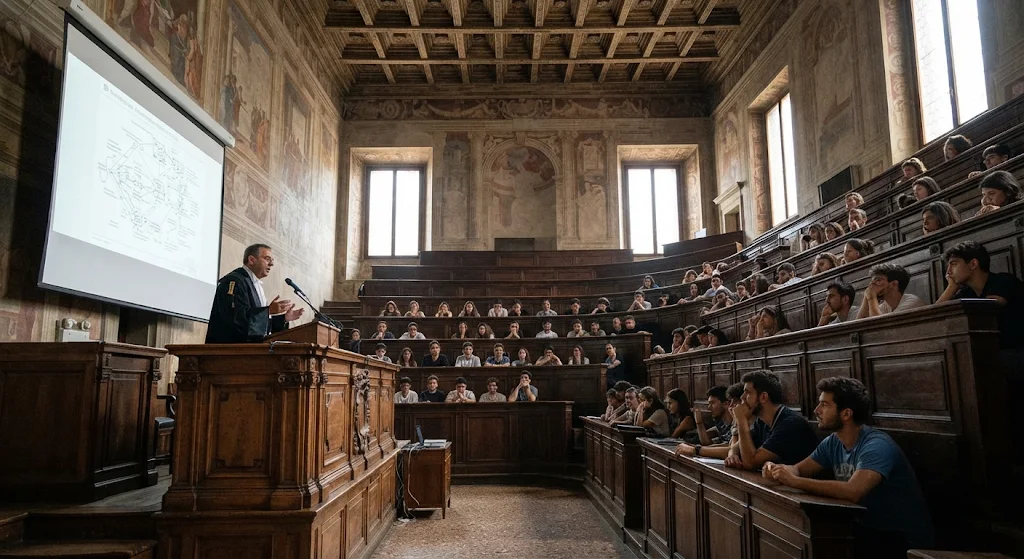
Higher education in Italy follows a recognised academic structure and is offered through universities and other higher education institutions.
Italian universities provide undergraduate degrees, postgraduate qualifications, specialist programmes and doctoral research opportunities.
The standard university pathway includes the following stages:
Bachelor's Degree – Laurea Triennale
The first university cycle normally takes three years to complete. Students are required to obtain 180 university credits, equivalent to 180 ECTS, to graduate.
The programme provides a foundation in a chosen subject and may also develop professional and practical competencies.
Master's Degree – Laurea Magistrale
The second cycle normally takes two additional years and requires 120 ECTS credits. Students generally need a relevant first-cycle degree to gain admission.
The programme offers advanced knowledge and specialist preparation for professional or academic careers.
Some university disciplines follow a single-cycle structure. These programmes normally last five or six years and lead directly to a master's-level qualification.
Doctoral Degree – Dottorato di Ricerca
Doctoral programmes represent the third cycle of university education. They focus on independent research, academic development and the production of original contributions to a field of study.
In addition to these standard qualifications, Italian universities offer specialist programmes and postgraduate courses.
These include Corsi di Specializzazione, which provide advanced professional training, and Master Universitari di Primo e Secondo Livello, which offer specialised postgraduate study.
Universities may also organise continuing education and professional development courses, including Corsi di Perfezionamento. These programmes allow graduates and working professionals to update their knowledge, improve their expertise and develop additional skills.
Italy is home to some of the oldest universities in the world. The University of Bologna, traditionally dated to 1088, is widely recognised as the oldest university in continuous operation in the Western world. The University of Padua was founded in 1222 and is another historic institution with a significant place in European higher education.
Italian Education – University
Resources
The following resources provide further information about education, qualifications and the organisation of the Italian education system.
- Ministry of Education and Merit (Ministero dell'Istruzione e del Merito) – Official government information about school education in Italy.
- Ministry of University and Research (Ministero dell'Università e della Ricerca) – Information about universities, higher education and academic qualifications.
- European Commission – EURES: Living and Working Conditions in Italy – Information about Italy, including its education and training system.
- European Commission – Education and Training Monitor: Italy – Country-level information and analysis of Italy's education system.
- Scholaro – Italy Education Resources – The original resource reference supplied in this guide.