Understanding Work-Life Balance in Italy
Discover what working life in Italy is really like and how to maintain a healthy balance between your career and personal life. This guide covers working hours, overtime, annual leave, public holidays, maternity and paternity benefits, flexible working options, remote employment and financial support, with practical tips to help you enjoy life outside the workplace.

If you are planning to take up employment in Italy, it is worth understanding how the country approaches work and personal time. This guide explains what you can expect, from typical working hours and annual holidays to parental leave and other benefits.
Italy is known for its rich cultural heritage, beautiful landscapes and enjoyable lifestyle. Naturally, if you are moving there for work, you will want enough time to experience everything the country has to offer outside the workplace. Fortunately, Italy has a working culture that places considerable importance on leisure, family and personal well-being.
The country performs particularly well in international work-life balance rankings. This is partly due to strong trade unions, employment regulations and a social security system that provides workers with several forms of support.
Explore the different aspects of maintaining a healthy balance between your career and personal life in Italy, including:
- An overview of work-life balance in Italy
- Italian workplace culture
- Standard working hours and overtime
- Annual leave and public holidays
- Maternity, paternity and parental leave
- Financial assistance and other support
- Flexible working arrangements and reduced hours
- Remote and home-based employment
- Support services for work-related stress
- Work-life balance for self-employed professionals
- Practical tips for managing your time and well-being
Work-life balance in Italy: An overview
There is encouraging news for people considering a move to Italy for employment: the country has a strong reputation for maintaining a healthy relationship between work and personal life.
According to 2020 figures, Italy ranked first among countries assessed by the Organisation for Economic Co-operation and Development (OECD) for work-life balance, achieving a score of 9.4 out of 10.
The OECD's Better Life Index also reported that only 3% of Italian employees worked exceptionally long hours, compared with the organisation's average of 10%. Furthermore, people in Italy spent approximately 16.5 hours each day on activities outside work, including sleeping. This was higher than the OECD average of 15 hours.
This favourable position is partly connected to Italy's comparatively relaxed approach to working life. Although the country has a large number of entrepreneurs and its average weekly working hours are broadly comparable to the European Union (EU) average, personal time and family life remain important priorities.
Italy's work-life balance is supported by employment regulations covering working hours and paid holidays, alongside a well-established social security system that provides benefits such as paid parental leave.
The country also operates a publicly funded healthcare system through which workers can access medical services free of charge or at relatively low costs. Childcare is also comparatively affordable.
While Italy has historically recorded one of the lowest proportions of remote workers in the EU, opportunities for flexible and home-based employment have expanded since the COVID-19 pandemic. In 2022, the country also introduced the EU Work-Life Balance Directive into its national framework.
Italian workplace culture
Most businesses in Italy are small or medium-sized enterprises, with a considerable number operating as family-owned companies. As a result, the influence of traditional small-business practices remains noticeable across many workplaces.
Business operations can be less formal than in some other European countries. Decisions are often made by senior managers or business owners, creating a more centralised, top-down management structure. Professional relationships also tend to place considerable importance on personal trust, familiarity and close connections.
Interestingly, many employment rules and workplace policies in Italy have developed through negotiations between trade unions and employer associations rather than being determined exclusively by the national government.
One example is the regulation of minimum wages and annual holiday entitlement. Italy does not have a single statutory national minimum wage or a universal statutory holiday allowance. Instead, collective bargaining agreements establish these conditions, with provisions differing slightly between industries and employment sectors.

Working hours in Italy
A typical full-time working week in Italy consists of 40 hours. However, employment contracts may provide for a maximum average of 48 hours per week. Hours worked beyond the standard 40-hour week or eight-hour working day are generally treated as overtime and compensated at a higher rate.
Despite these limits, many Italian employees work fewer hours than the maximum permitted.
OECD statistics for 2021 show that employees in Italy worked an average of 1,669 hours throughout the year, slightly below the OECD average of 1,716 hours. This is equivalent to a little over 32 working hours per week.
EU data presents a slightly different picture, placing the average Italian working week at approximately 35 hours, broadly in line with the EU average. Self-employed business owners, however, tend to work considerably longer, averaging around 46 hours each week.
A normal working day in Italy often begins between 09:00 and 09:30 and ends around 18:00–18:30. Lunch usually takes place at approximately 13:00 and may last for as long as two hours.
In some workplaces, employees take extended lunch breaks and continue their duties later into the evening. Italian employment law also requires workers to receive at least 11 consecutive hours of rest between working shifts.
Annual leave in Italy
The amount of paid annual leave employees receive is generally determined by the collective agreement covering their industry or profession. Although entitlements can vary, the usual minimum allowance is 20 paid holiday days per year, and some employers provide additional days.
This annual leave is separate from Italy's 12 national public holidays, giving employees further opportunities to take time away from work.
Parental leave in Italy
Italy provides several forms of maternity, paternity and parental leave to support employees when they welcome a child.
Maternity leave
Female employees are generally entitled to five months of statutory maternity leave. This period can begin up to two months before the expected delivery date.
Maternity benefits are normally paid at 80% of the employee's average salary.
Paternity leave
Fathers are entitled to 10 days of paternity leave, which can be taken during the mother's maternity leave period. This leave is paid at 100% of their normal income.
In certain exceptional circumstances, a father may also take over the mother's maternity leave. This can apply when the mother is unable to care for the newborn because of a serious illness, disability or death.
Eligibility for these benefits is linked to social security contributions, meaning applicants must meet the relevant contribution requirements.
Shared parental leave
Parents can also share up to 11 months of additional parental leave during the first 12 years of their child's life.
The standard payment for this leave is 30% of the parent's average salary. However, households above a specified income threshold may only qualify for six months of paid leave during the child's first three years.
Where a child has a serious disability, the available shared parental leave can be extended to a maximum of two years.
Parents are also permitted to take time away from work to care for children who are unwell. Such absences are compensated according to the applicable statutory sick-pay provisions.
Employers are free to improve these statutory benefits by providing additional paid leave or higher allowances from their own resources. Many larger companies offer enhanced family benefits as part of their efforts to attract and retain employees.
Resources for maintaining a healthy work-life balance in Italy
Italy provides several financial and social support programmes designed to make it easier for people to manage their employment responsibilities alongside family and personal commitments.
Financial support for work-life balance
Available forms of assistance include:
- Additional paid leave: Employment legislation and collective bargaining agreements may provide extra time off for circumstances such as family responsibilities, marriage or education.
- Financial assistance for parents: Families may qualify for support programmes, including the universal child benefit and maternity allowance.
- Income-based family support: Eligible parents may receive financial assistance such as kindergarten childcare vouchers and grants towards secondary school materials.
- Tax relief and allowances: Certain tax incentives are available to eligible workers. One example is the lavoratori impatriati scheme, which offers favourable tax treatment to qualifying individuals relocating to Italy. The original scheme described in this guide provides reduced tax rates for the first five years, subject to eligibility requirements.
The Italian government publishes information about available tax deductions, credits and allowances.
Social security in Italy
Italy's social security system provides another important source of support for workers and their families. Depending on the benefit, assistance may be available to Italian citizens and legal residents generally, while other payments require applicants to have made sufficient social security contributions.
Reduced working hours and flexible arrangements
Employees in Italy do not automatically have a general statutory right to reduced hours or flexible working arrangements. Such rights may apply in particular circumstances, especially when an employee cannot reasonably carry out their normal duties because of specific personal or family responsibilities.
For example, special arrangements may be available to workers caring for a child with serious health conditions.
Outside these situations, employees are still free to ask their employers for alternative working arrangements. However, the employer is generally responsible for considering the request and deciding whether it can be accommodated.
Research conducted across the EU suggests that Italy performs reasonably well in terms of workplace flexibility.
Approximately 73% of Italian employees reported that they could choose or adjust their working methods and conditions. This was above the EU average of 69%.
However, flexibility around accumulated overtime was less common. Only 47% of workers said they could build up extra working hours and exchange them for days off, compared with the EU average of 53%.
Remote working in Italy
Compared with several other European countries, Italy has traditionally had a relatively low proportion of employees working remotely.
EU statistics indicate that 12.2% of Italian employees normally worked from home in 2020, during the COVID-19 pandemic. This was marginally below the EU average of 12.3%.
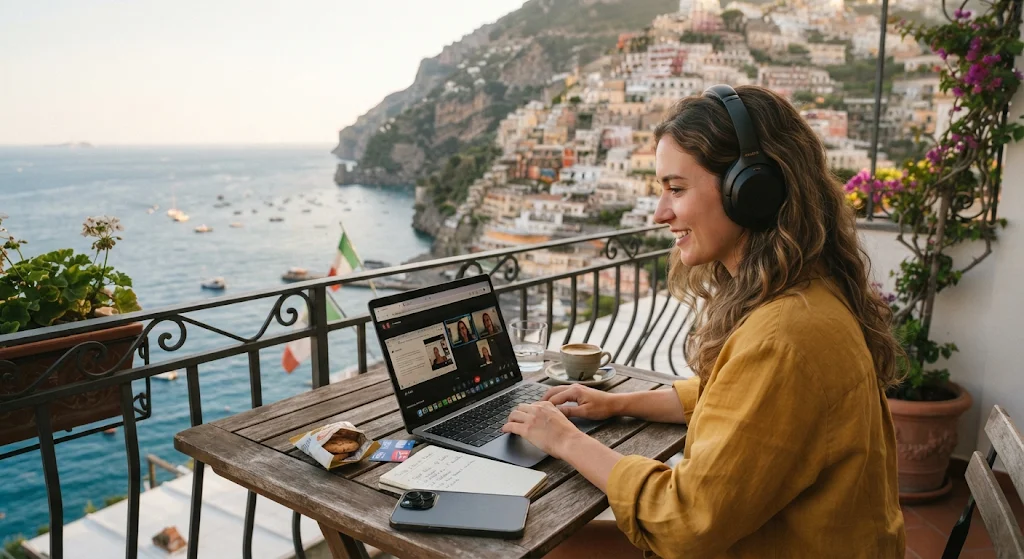
Even before the pandemic, Italy had taken steps to strengthen the rights of people working remotely. In 2017, the government introduced Law 81/2017, which established protections for remote and home-based employees.
Under this legislation, people working away from their employer's premises are entitled to the same employment protections as office-based staff, including equal treatment regarding pay, holidays and other benefits.
Although Italy's emergency remote-working arrangements introduced during the pandemic came to an end in August 2022, many businesses have continued offering home-working opportunities. For employers, these arrangements can help reduce operating expenses, while employees benefit from greater flexibility.
Italy has also explored plans to introduce a visa for remote workers, following a model similar to the one adopted in Spain.
Support services for maintaining work-life balance
Employees in Italy who experience stress, anxiety or other difficulties connected to their jobs can seek professional support.
Public healthcare services provide access to medical treatment either free of charge or at a reduced cost, depending on the circumstances. If you are experiencing work-related stress, speaking with your doctor is a good starting point. They can assess your situation and guide you towards suitable services, including counselling or psychotherapy.
Private mental healthcare is another option if you have an appropriate health insurance policy.
If your workplace is affecting your well-being or you believe your employer is expecting you to work excessive hours, consider raising the issue through the appropriate channels. You can:
- Discuss your concerns directly with your employer.
- Seek guidance from your trade union representative.
- Contact your local employment office for advice.
- Explore legal action through an employment court if your employer has violated applicable labour regulations.
Understanding your employment rights and seeking assistance early can help prevent workplace difficulties from becoming more serious.
Work-life balance for self-employed people in Italy
Self-employed professionals in Italy generally spend more time working than employees. This follows a wider trend across EU countries, where business owners and freelancers often have longer working weeks.
According to EU statistics for 2021, self-employed business owners in Italy who employed staff worked an average of 46 hours per week. Freelancers averaged approximately 39 hours, compared with around 35 hours for employees.
Social security and parental benefits for self-employed workers
Freelancers and other self-employed professionals in Italy pay their own taxes and social security contributions. These payments can provide access to several benefits also available to employees, including maternity and paternity support, retirement pensions and unemployment allowances.
However, self-employed individuals generally pay higher contribution rates because they do not have an employer to share the financial responsibility.
Although their basic maternity and paternity entitlements are broadly comparable to those of employees, the rules for additional parental leave are less generous.
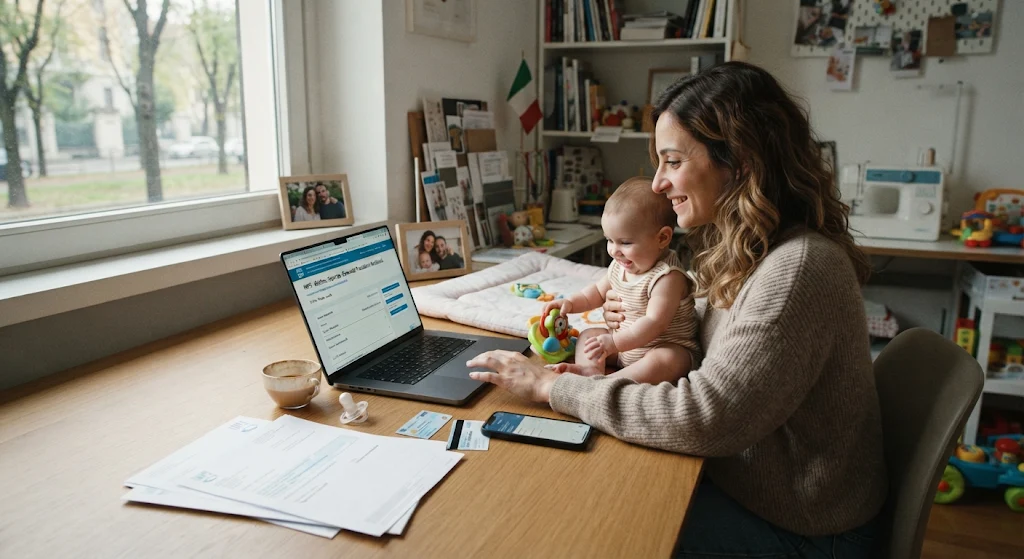
For example, self-employed parents may qualify for the 30% income allowance for an additional three months during the child's first year, rather than accessing the longer shared parental leave arrangements available to eligible employees.
Practical tips for achieving a healthy work-life balance in Italy
Even with Italy's relatively favourable approach to working life, maintaining a good balance still requires personal effort and sensible time management. The following suggestions can help you protect your free time and avoid unnecessary pressure:
- Take regular breaks: Avoid sitting or working continuously throughout the day. Aim for a short break of at least 10–15 minutes after every two hours of work.
- Keep overtime under control: Try not to accept more additional hours than necessary. Make use of your annual holiday allowance instead of allowing work commitments to consume all your available time.
- Enjoy your time outside work: Use your free hours to explore Italian towns and attractions, experience local traditions, spend time with friends and family or take part in sports and other relaxing activities.
- Manage your workload effectively: Organise your tasks and plan your working week carefully. Good time management can help you avoid carrying unfinished responsibilities and unnecessary stress into your days off.
- Consider flexible working options: If your workload is becoming difficult to manage, speak with your employer about the possibility of adjusting your working hours or working remotely for part of the week.
- Look after your physical and mental health: Your well-being should remain a priority. Prolonged overwork can have serious consequences. Globally, approximately 750,000 deaths each year are attributed to heart disease and stroke associated with long working hours.