Discover the Best Museums in Luxembourg
Discover some of the best museums in Luxembourg, from historical landmarks and art galleries to mining museums and cultural heritage sites. Explore the country's fascinating history, artistic ahievements, and traditions through these must-visit attractions.
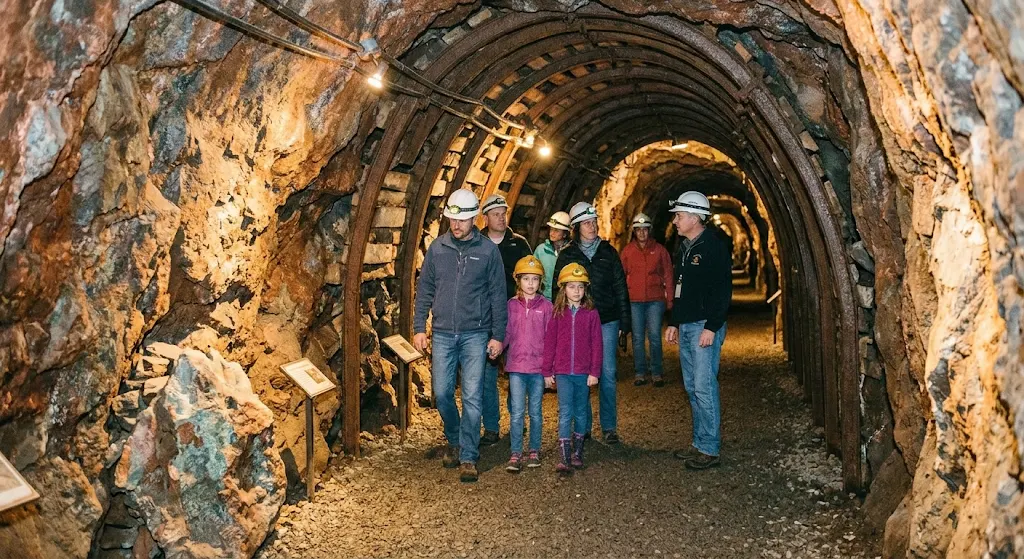
Although Luxembourg is a small country, it has a rich history and a vibrant cultural scene. Some of the best museums in Luxembourg offer visitors an opportunity to explore its heritage, art, and fascinating past.
Whether you already live in the Grand Duchy or are considering relocating there, learning a little about its history and culture can help you understand the country better. If you have more time to explore, you can also visit some of its leading museums to discover its historical landmarks, artistic achievements, and cultural traditions.
Here are some museums worth adding to your list:
Historical museums in Luxembourg
National Museum of History and Art
The Visual Arts section of the National Museum of History and Art features an extensive collection of Luxembourgish paintings from the 18th to the 20th century. Among the notable works are paintings by Joseph Kutter, Dominique Lang, Eugène Mousset, Jean-Pierre Beckius, Nico Klopp, and Auguste Trémont.
Visitors can also admire post-impressionist watercolours by Sosthène Weis, alongside sculptures created by Auguste Trémont and Lucien Wercollier. The museum additionally houses a distinctive collection of contemporary art, making it an interesting destination for anyone who appreciates different artistic periods and styles.
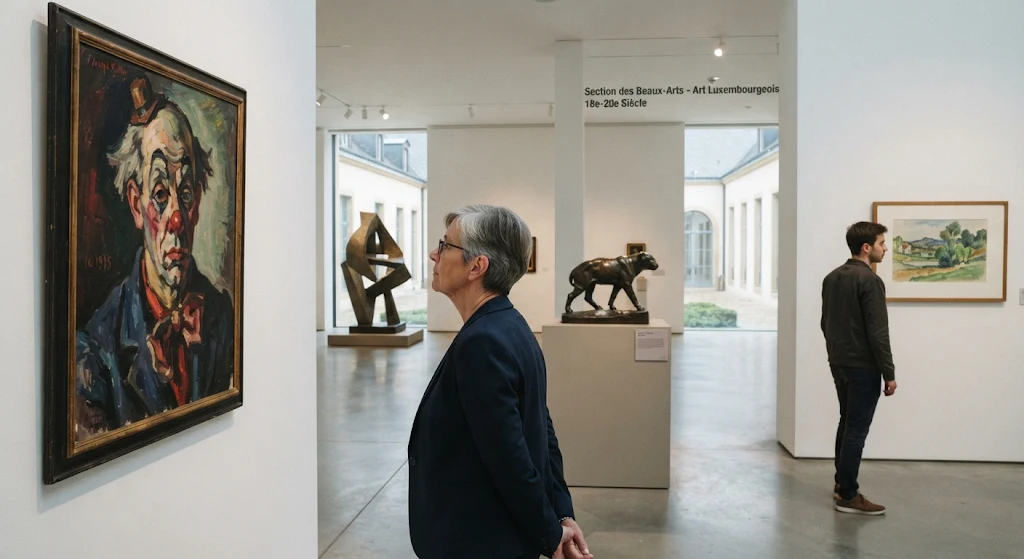
National Museum of History and Art, Luxembourg City
Luxembourg City History Museum
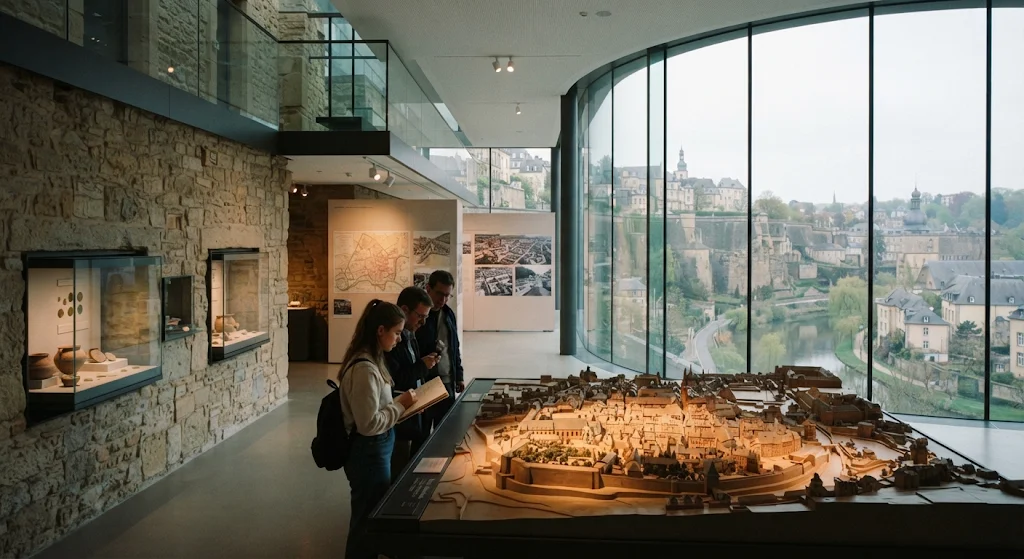
Located in the heart of the old town, the Luxembourg City History Museum occupies the former refuge of Orval Abbey and several historic patrician houses. Through architectural models, archaeological discoveries, and temporary exhibitions, the museum tells the story of how Luxembourg City developed over time.
National Museum of Natural History (natur musée)
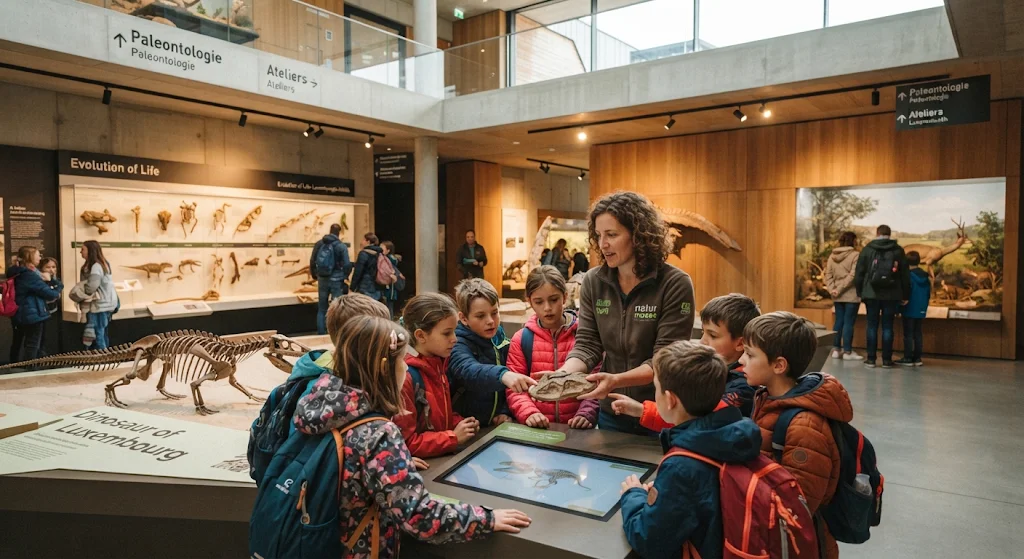
A visit to the natur musée offers an opportunity to explore the natural world through the lens of science. Its permanent displays and temporary exhibitions introduce visitors to different aspects of the natural sciences in engaging ways.
The museum also organises lectures, guided visits, and workshops designed for people of all ages, making it an educational destination for individuals and families.
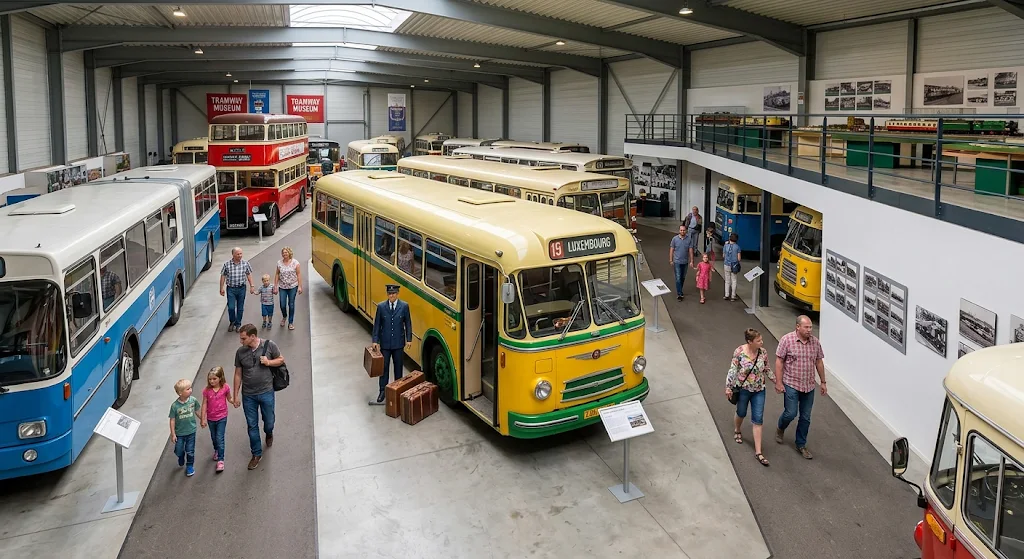
Luxembourg City Tram and Bus Museum
Situated within Luxembourg City's bus department in Hollerich, the Tram and Bus Museum provides an insight into the history of public transportation.
Its collection includes a historic horse-drawn coach, vintage tram carriages, bus models, and old transport uniforms. Visitors can also examine photographs and documents that show how public transport in the city has evolved since 1875.
The Bank Museum
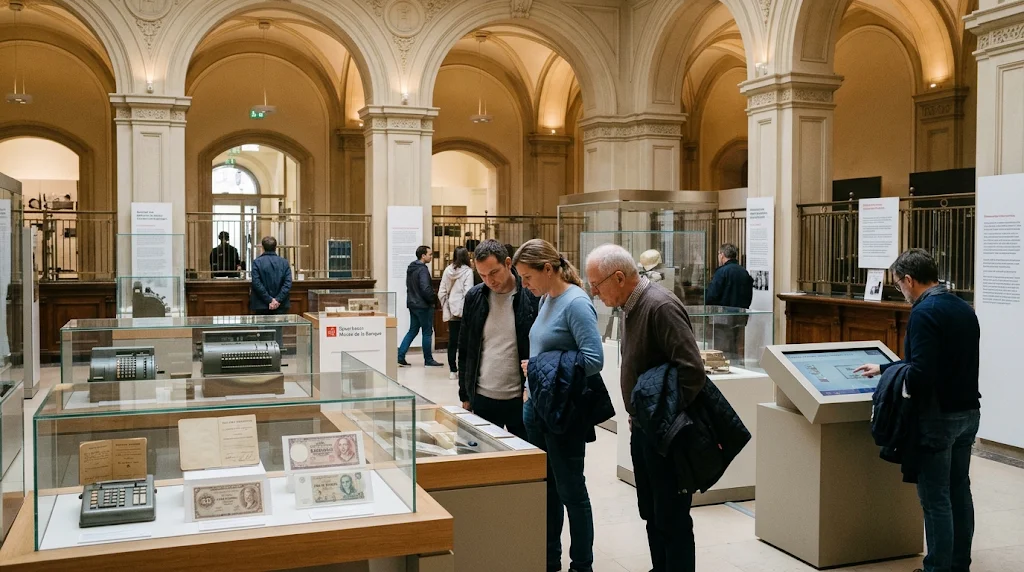
Located at the head office of the Luxembourg State Bank and Savings, the Bank Museum showcases approximately 140 years of banking history, tradition, and innovation.
During a visit, you can learn about the bank's development, understand how the financial sector has contributed to Luxembourg's economic growth, and discover the evolution of its modern banking services.
The Bank Museum, Luxembourg City
Deportation Memorial
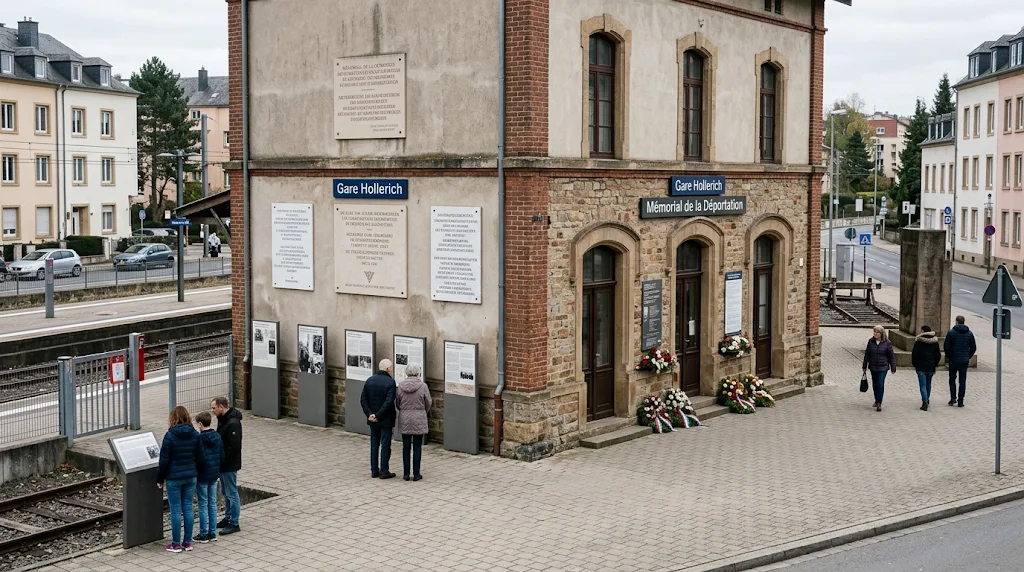
During the Nazi occupation of the Grand Duchy of Luxembourg between 1940 and 1944, Hollerich station, located a few hundred metres from Luxembourg Central Station, became one of the principal deportation centres.
At this site, the German Wehrmacht forced thousands of young people into military service or deported them to forced labour, leaving many facing an uncertain future.
The memorial honours those who suffered under Nazi rule. It also complements other monuments and museums dedicated to remembering Luxembourg's resistance movement and the deportees who lost their lives in concentration camps.
Art museums and photography exhibitions in Luxembourg
Casino Luxembourg – Contemporary Art Forum
Casino Luxembourg – Forum d'art contemporain functions like a Kunsthalle, an art institution that does not maintain a permanent collection.
Instead, it hosts contemporary art exhibitions throughout the year, showcasing the wide range of ideas, creative methods, and artistic perspectives shaping the modern art scene.
Grand Duke Jean Museum of Modern Art (Mudam)
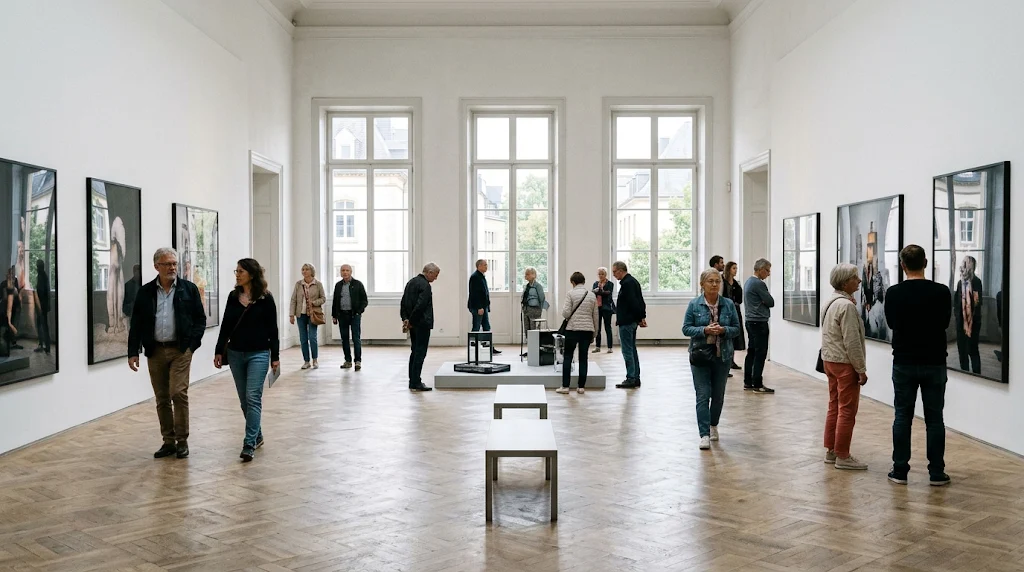
Located in the new Park Dräi Eechelen, the Musée d'Art Moderne Grand-Duc Jean, commonly known as Mudam, opened in July 2006. The building was designed by Ieoh Ming Pei and constructed at the historic Fort Thüngen, following plans originally drawn up by Vauban.
Mudam's guiding philosophy is expressed through the concept “Be the Artists' Guest.” This approach gives artists and designers the freedom to shape both the form and content of the venue. The museum aims to create an active space that encourages artistic exchange, creativity, and education.
The Family of Man Photography Exhibition
The Family of Man is among the largest photography exhibitions in the world. It was created by Edward Steichen in 1955 for the Museum of Modern Art in New York.
Recognised for its cultural significance, the exhibition is also included on the UNESCO World Heritage list, making it an important attraction for photography and art enthusiasts.
Museums celebrating Luxembourg's cultural heritage
Wine and Folklore Museum A Possen
Housed in a 17th-century winemaker's home, the Wine and Folklore Museum A Possen offers visitors a glimpse into the everyday lives of winegrowers and the traditional techniques they used in earlier centuries.
The museum also features attractions for younger visitors and anyone interested in toys and collectibles:
- Doll and Toy Museum: A collection suitable for children and adults, featuring antique dolls, Barbie dolls, miniatures, teddy bears, and other toys.
- Toy Museum: An assortment of fascinating playthings, including miniature railways, rocking horses, and many other surprises.
Binsfeld Country Museum – A Schiewesch
The Country Museum in Binsfeld is housed in two restored historic farmhouses located in the centre of the village. Together, they have been transformed into an extensive museum showcasing traditional rural life.
The collection contains no fewer than 1,200 objects spread across 21 different rooms, offering a look at how people lived and worked in earlier times. The museum's barns also accommodate an impressive collection of antique agricultural machinery.
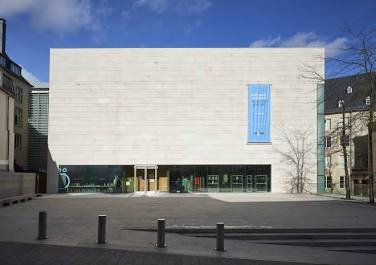
National Mining Museum
The National Mining Museum explores the history of mining through a collection of historical and modern equipment.
Its displays include:
- Traditional and modern mining tools.
- Machinery once used to extract iron ore.
- Historical documents, maps, and diagrams.
- Photographs and records illustrating mining activities.
- Materials documenting work in the mines from the 19th century to the present day.
Victor Hugo House
The famous French author Victor Hugo (1802–1885) spent several periods in political exile in Vianden, staying there in 1862, 1863, and 1871.
The museum dedicated to his life and work was established in 1935, fifty years after his death. It later underwent renovation in 2002, marking the 200th anniversary of the writer's birth.
Copper Mine Museum
The Copper Mine Museum offers visitors the chance to explore the fascinating geology and mining heritage of the River Our Nature Park, approximately 6 kilometres north of Vianden.
Begin your visit by following the geological discovery trail, which leads to the former copper mine. From there, you can descend into the old underground galleries and discover how copper was extracted in earlier times.