Understanding Portuguese Culture and Social Etiquette
A practical guide to Portuguese social etiquette, covering cultural values, greetings, communication, dining manners, relationships, celebrations, business customs, tipping, and everyday practices to help newcomers adapt to life in Portugal.
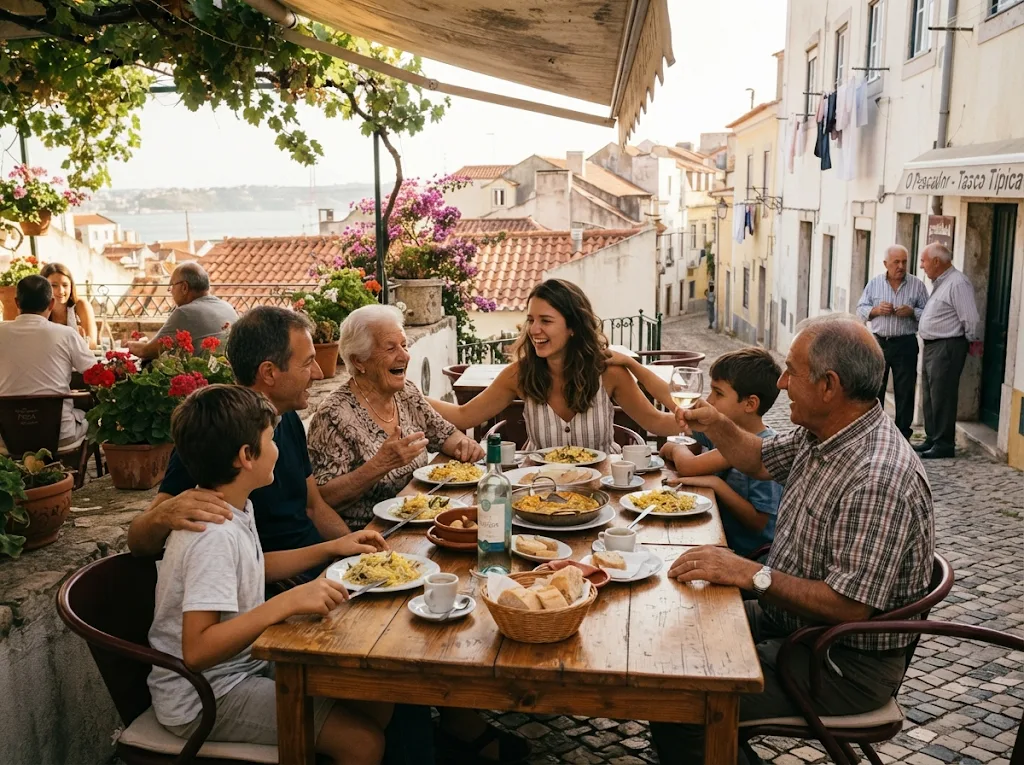
Moving to another country can be an exciting experience, bringing new opportunities as well as challenges as you adjust to unfamiliar customs and ways of life. Part of settling into a new home is understanding the social expectations and etiquette of the local culture. From meeting people and communicating with residents to behaving in professional environments, there are many customs worth learning.
If you are preparing to relocate to Portugal, this guide introduces the social conventions that can help you adapt and feel more comfortable in your new surroundings. It covers topics such as greetings, conversations, dining customs, relationships, celebrations, business conduct, tipping, and everyday interactions.
Portuguese Society, Traditions, and Culture
Portuguese society is generally considered traditional and conservative, but people are also known for being welcoming, friendly, and easygoing. Catholicism has historically shaped many parts of the country's culture. Although Portugal does not have an official state religion, approximately 90% of its population identifies as Christian. Other religious communities include Protestant groups and Jewish communities.
Portuguese is the country's official language and is spoken by approximately 96% of the population. Other languages commonly encountered include English, Spanish, French, Mirandese, and Portuguese Sign Language (Língua Gestual Portuguesa).
A 2017 study examining national pride found that 69% of Portuguese residents felt very proud of their national identity. In general, Portuguese people are considered tolerant of different groups. The economic divide between wealthier residents and lower-income communities also began to narrow during the 1970s.
Nevertheless, inequality remains a challenge. Barriers linked to social class can make access to higher education more difficult, while unemployment also contributes to the problem. People of colour and Roma communities experience particular forms of marginalisation, partly connected to Portugal's history of colonialism and dictatorship.
The country has introduced measures intended to address discrimination and inequality. Portugal is a member of the European Network Against Racism (ENAR) and has introduced several laws promoting non-discrimination in recent years. The government also established the National Plan to Combat Racism and Discrimination 2021–2025, which aims to tackle and prevent discrimination across areas including education, justice, healthcare, housing, and employment.
Gender Expectations and Equality in Portugal
Portugal has a score of 62.8 out of 100 on the Gender Equality Index, placing it 15th among European Union member states.
Before the government reforms of the 1970s, traditional expectations generally assigned household management and childcare to women, while men were expected to provide financially for their families. These conventions began to change following the introduction of the country's new constitution in 1976.
Today, approximately 91.7% of laws support gender equality. The constitution established equal rights for women and men, including the right to vote and the freedom to pursue any profession. Women also held around 40% of parliamentary positions in 2021. Compared with several other European countries, Portugal has a relatively high proportion of women working full-time. However, this is partly associated with comparatively low salaries, which often make it necessary for both partners in a household to earn an income.
Despite the progress made, traditional gender expectations have not disappeared entirely. For example, figures from 2022 indicated that women were considerably more likely than men to take responsibility for household tasks: 78% compared with 18%.
Traditional family arrangements are particularly visible in rural communities. In many households, the father remains the main income earner, while the mother is expected to look after the home and children.
These expectations can differ depending on location and social background. Families with higher incomes and those living in larger cities are generally more likely to adopt a more equal division of household responsibilities. In broad terms, women from other countries are treated similarly to Portuguese women, which is worth bearing in mind when settling in.
How to Meet and Greet People in Portugal
Understanding local greetings is an important part of adapting to life in any country. Portugal has a relatively reserved and courteous communication culture, where politeness, respect, and modest behaviour are valued.
Handshakes and Formal Introductions
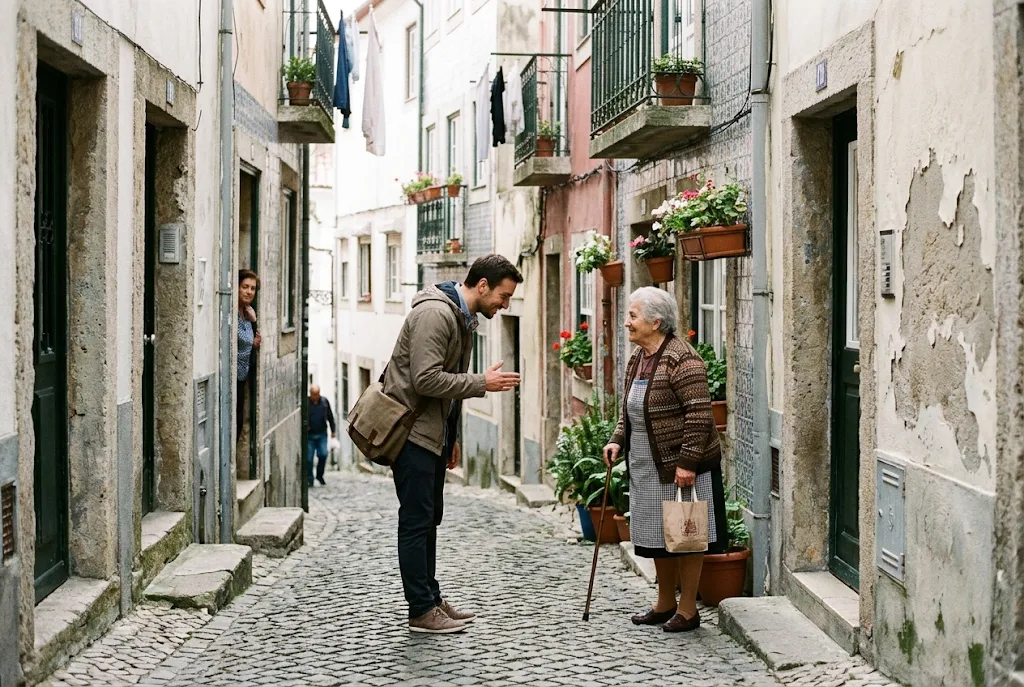
A handshake is the usual way to greet someone, often accompanied by a spoken expression such as olá (hello) or bom dia (good day). This greeting is commonly used by men, women, and children when meeting unfamiliar people in formal circumstances.
There are also conventions surrounding introductions:
- In a traditional introduction between a man and a woman, the man is introduced to the woman.
- When two people of the same gender are being introduced, the younger person is introduced to the older person.
- A man who is seated should stand when someone is introduced to him.
- This expectation does not generally apply to women.
- When a man greets a woman, he should wait for her to offer her hand before initiating a handshake.
In formal circumstances, particularly when speaking to someone you do not know well, it is appropriate to use titles such as Senhor (Mr.) or Senhora (Ms./Mrs.), followed by the person's first or last name. A professional title can also be used where appropriate.
In the workplace, the person holding the more senior position generally determines how they prefer to be greeted and addressed.
Cheek Kisses and Familiar Greetings
Greetings between relatives and close friends are usually more affectionate than formal introductions. Men commonly greet one another with a hug and a pat on the back, while women often exchange kisses on both cheeks, beginning with the right cheek.
Among friends, teenagers, and children, using someone's first name is also acceptable.
At informal family gatherings, children commonly greet adults with a kiss on the cheek. When attending a gathering with several people, it is customary to acknowledge everyone when arriving and say goodbye to each person before leaving.
Attitudes Towards Being on Time
Compared with some neighbouring European countries, Portugal generally has a more flexible approach to punctuality. People may be relaxed about arrival times, and changing arrangements at short notice is not unusual.
However, if you intend to visit someone's home, it is best to call beforehand and let them know. When visiting a close friend, simply knocking on their door may be acceptable. Try not to arrive around mealtimes, as this may be inconvenient for your hosts.
Communication and Everyday Conversation
There are several subjects that commonly feature in conversations in Portugal. These include:
- Football, which is particularly popular; people may be less familiar with other sports.
- Food and wine.
- Family life and children.
- Culture and music.
- Travel.
Some subjects are better approached with care. Topics generally considered sensitive include religion, politics, the Portuguese Colonial War, personal finances, and racism.
It is also considered inappropriate to ask someone how much they paid for an item or property. Questions about a person's salary are similarly regarded as intrusive, even when speaking with close friends.
In professional meetings, conversations often begin with informal exchanges and small talk before participants move on to the main business. It is also important to document professional agreements and commitments in writing, usually through a letter or email.
When writing a formal letter or email, suitable greetings include:
- Prezado Senhor – Dear Sir.
- Prezada Senhora – Dear Madam.
For a friend, you can use:
- Querido – Dear, when addressing a male friend.
- Querida – Dear, when addressing a female friend.
Avoid writing in red ink, as this is traditionally viewed as offensive.
Gestures and Non-Verbal Communication
Portuguese people generally use fewer exaggerated gestures than people in some other European cultures. Nevertheless, certain movements have specific meanings.
For example, beckoning someone is commonly done by waving with the palm facing downwards. Pointing directly at another person is considered impolite.
Among relatives and friends, physical contact during conversations is quite normal. People may touch one another's arms or give a light pat on the back while speaking.
Personal space can also be different from what you may be accustomed to. Conversations often take place with people standing less than a foot apart. Moving backwards or creating additional distance while someone is talking to you may be interpreted as discourteous.
What to Wear: Clothing and Dress Expectations
Portuguese people generally favour modest, well-presented clothing. Appearance can be associated with social standing, so many people take care to look neat and polished, even when wearing casual outfits. This may mean spending more on quality or fashionable clothing.
The difference between everyday clothing and professional attire is not always substantial. Women commonly wear dresses, skirts, suits, or trouser suits, while men may wear a jacket and tie. Even casual outfits often have a smart appearance.
Some clothing choices may be viewed unfavourably, including:
- Torn or heavily distressed jeans.
- Clothes featuring excessive branding or prominent logos.
- Outfits that reveal too much.
Women may also choose to wear heels for formal occasions, including weddings and special parties. Remember that certain locations, particularly cathedrals, may have conservative dress requirements that visitors are expected to follow.
Dining Customs and Restaurant Etiquette in Portugal
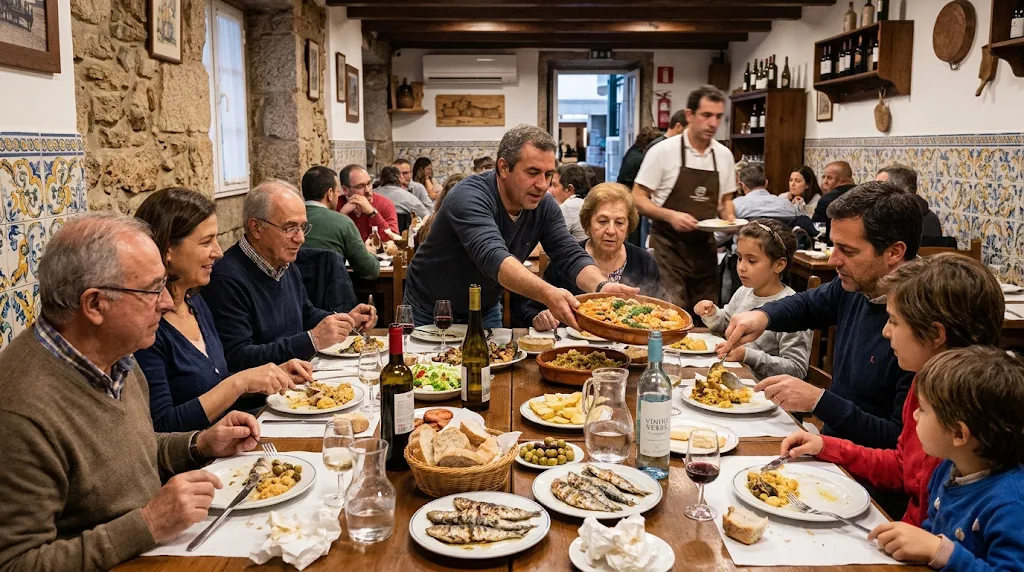
Eating together is an important part of Portuguese social life, and sharing food in a family-style setting is common in restaurants.
The host traditionally serves themself first. Food is then passed around the table towards the left so that everyone can help themselves. Once everyone has been served, the host will often say bom apetite or bom proveito before the meal begins.
Meals in Portugal can take considerably longer than visitors from other countries may expect. A traditional family lunch, known as an almoço de família, can sometimes last as long as five hours. These extended meals are particularly common on Sundays.
Rules for Good Table Manners
There are several dining conventions to keep in mind when eating in Portugal:
- Place your napkin on your lap before beginning your meal.
- Hold the knife in your right hand and the fork in your left.
- It is not customary to switch the knife and fork between hands.
If you need to attract your waiter's attention, raise your hand and say desculpe, meaning “excuse me”. You can also use your cutlery to communicate certain requests.
The position of your utensils can indicate what you want:
- To request more food: Position your fork diagonally from the left and place your knife pointing straight down, creating a triangular shape.
- To pause during the meal: Put your knife and fork beside your plate rather than placing them on top of it.
Image: A man looking affectionately at his girlfriend as they enjoy lunch together.
Photo: Morsa Images/Getty Images
When you have finished eating, place your knife and fork together across the right-hand side of your plate, approximately in the 5:25 clock position. You can then fold your napkin and return it to the table.
Leaving a small amount of food on your plate after finishing is also considered polite.
Usually, the person who invited everyone to the meal pays the bill. However, splitting the cost has become more common among younger people.
Dinner is generally treated as an opportunity to socialise, including when colleagues are dining together. For this reason, avoid bringing up work-related matters or business discussions unless the host starts the conversation.
When people raise their glasses for a toast, it is customary to raise yours as well.
Making Friends and Enjoying Social Life in Portugal
Meals are an important opportunity for Portuguese people to spend time together. Beyond eating out, popular social activities include watching or participating in sports.

Football is especially popular, although people also enjoy activities such as:
- Surfing.
- Field hockey.
- Basketball.
- Walking.
- Picnics.
Friends often arrange to meet at restaurants, cafés, small parks, beaches, and music festivals.
Alcohol is commonly consumed with meals and during celebrations. A 2023 study found that 20% of the population drank alcohol every day. Figures from the Organisation for Economic Co-operation and Development (OECD) indicate that annual alcohol consumption in Portugal is 10.4 litres per person. This is equivalent to approximately two bottles of wine each week.
However, this does not necessarily mean that heavy drinking or frequent drunkenness is common. If you choose to drink, keeping your consumption to one or two drinks is advisable.
Dating and Relationships in Portugal
Dating practices in Portugal are broadly comparable to those found in other European countries. People often meet potential partners through school or work, while online dating has become increasingly popular, particularly among younger adults.
Public displays of affection are generally more reserved. Prolonged kissing in public may be viewed as disrespectful by some people. However, simple gestures such as holding hands, hugging, or sharing a brief kiss are generally different from more intimate displays.
The Importance of Family Life
Family relationships hold a central place in Portuguese society. It is not unusual for as many as three generations to share one home.
Young adults commonly remain with their parents until they marry. After getting married and establishing their own households, many continue living close to their parents and other relatives. Extended family members also frequently live within the same neighbourhood or local area.
Portuguese households are often relatively small, with couples typically having one or two children. Parents tend to take an active role in their children's lives.
Godparents are also regarded as important members of the wider family. Parents usually select their children's godparents while the children are still infants.
Marriage and Changing Relationship Patterns
Despite Portugal's traditional social background, the country has one of Europe's lowest marriage rates, at approximately 3.4 marriages per 1,000 inhabitants.
Research published by the Portuguese National Institute of Statistics (INE) indicates that the number of marriages has been falling. For example, Portugal recorded 33,272 marriages in 2019, which was 3.9% fewer than in 2018.
Research also found that 61.1% of couples who married in Portugal had already been living together before their wedding. This suggests that leaving the family home is no longer necessarily something people wait until marriage to do.
Civil partnerships and same-sex marriages have gradually become more widely accepted. INE figures show that 2,515 same-sex marriages took place between 2013 and 2018.
Portugal was also listed among the world's ten most LGBTQ-friendly countries in 2021. However, discrimination and social stigma have not disappeared, particularly in rural communities. Same-sex couples who hold hands or kiss in public may still encounter harassment.
Festivals, Special Occasions, and Celebrations
Portuguese people celebrate many occasions that are also recognised in other countries, including birthdays, weddings, and religious events such as baptisms and first communions.
These occasions are often centred on family gatherings, with guests exchanging presents and greeting cards. Religious festivals and public holidays are also celebrated throughout the year. Friends and relatives come together to share meals and mark these special occasions.
Birthday Traditions
The Portuguese expression for “happy birthday” is Feliz aniversário. Birthdays are often celebrated with food and social gatherings.
Adults commonly celebrate by going out for dinner. Friends usually sing Parabéns a Você, the Portuguese version of the happy birthday song, and someone brings out the birthday cake after the meal. The cake may be accompanied by wine and coffee.
Making a birthday wish is another familiar tradition. However, one distinctive Portuguese custom involves the birthday person biting a candle while underneath the table. Some variations involve breaking the candle, or biting or breaking it without going under the table.
There is also an expectation that the person celebrating their birthday pays for the group's meal, while friends generally bring gifts.
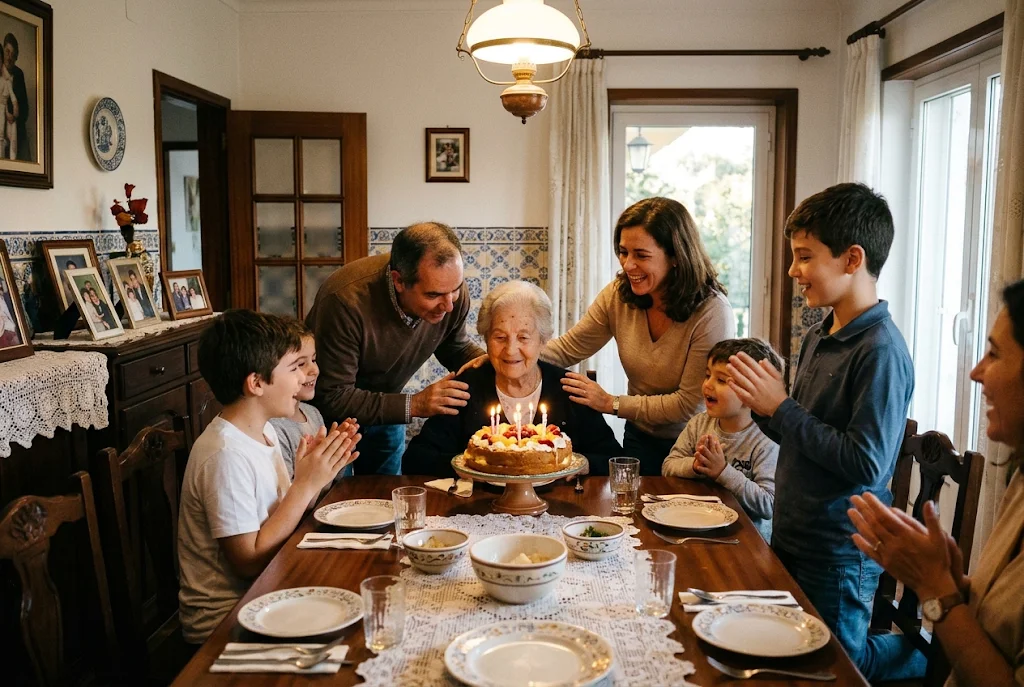
Children's birthday celebrations follow practices similar to those in many other countries. Parents usually organise the event and invite relatives and friends. Parties may be held at home, in a restaurant, or at places such as parks and museums.
The parents are generally responsible for providing food and drinks for the children and other guests, who bring presents for the birthday child.
Giving and Receiving Presents
In Portugal, gifts are commonly exchanged for birthdays, weddings, Christmas, and other important occasions. The type and value of a present usually depend on the event and your relationship with the recipient.
If someone invites you to their home for dinner, it is courteous to take a small present. Chocolates and flowers are common choices. Even when a host tells you that bringing something is unnecessary, taking a small gift is still considered good manners.
Small presents can also be exchanged in professional environments. Customers and business partners may give one another gifts without necessarily viewing the practice as bribery.
Suitable business gifts can include:
- Whiskey or other spirits.
- Coffee table books.
- Scarves.
- Coffee.
Flowers, however, are not considered appropriate business gifts.
When choosing flowers for other occasions, be mindful of local associations and traditions. Avoid giving 13 flowers, as this number is considered unlucky. Red flowers, lilies, and chrysanthemums should also be avoided because of their negative associations.
When someone gives you a present, you are expected to open it immediately and express your appreciation. Refusing a gift is generally regarded as offensive. Sending a written thank-you card is optional.
Professional Conduct and Business Customs in Portugal
Some social conventions in Portugal are different when applied to professional environments.
For example, seniority rather than gender or age determines the order of introductions in business settings. The employee with the lower rank is introduced to the more senior person. Employees are also introduced to visiting guests and customers.
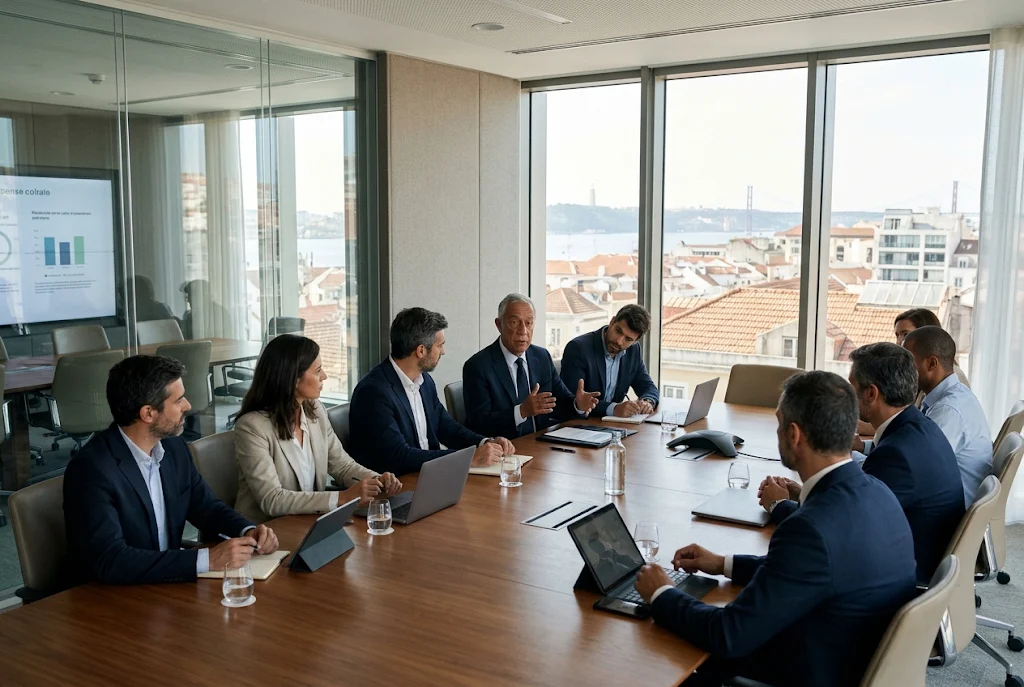
Although punctuality is often treated flexibly in everyday social life, arriving five to fifteen minutes late for a business appointment is not unusual. However, arriving more than 30 minutes after the agreed time is generally considered disrespectful.
Business meetings in Portugal tend to be formal, but they are primarily intended to encourage conversation and discussion rather than produce immediate decisions. Reaching an agreement may therefore require several meetings. These interactions also provide opportunities to build personal relationships with colleagues and business contacts.
Another important professional convention is to have business correspondence translated into Portuguese, even though many Portuguese professionals are also able to communicate in English.
Customer Service, Shopping, and Public Services
Portugal has made improvements in customer service in recent years, particularly in retail businesses and public services.
When you purchase a defective product from a retail shop, you have 15 days to request a full refund without having to provide a reason. Some retailers have extended this period to 30 days.
However, customer service standards can differ between businesses. Some companies place greater emphasis on the needs and priorities of their employees than on the idea that the customer is always right. They may distinguish between customers who generate profits and those who do not, which can sometimes lead to unsatisfactory customer experiences.
In 2005, Portugal introduced the Livro de Reclamações, also known as the Book of Complaints. If you have a problem with a business that cannot be resolved directly, you can submit a formal complaint against the company online.
In 2022, the sectors receiving the highest numbers of complaints included:
- Electronic communications.
- Postal services.
- Utility providers.
The original guide also provides a reference to a list of businesses and organisations with the highest customer satisfaction ratings in 2022.
Customer satisfaction reference: View the original guide's list of the highest-rated places for customer satisfaction in 2022.
Some practices that were once treated mainly as matters of courtesy have also become legal requirements in Portugal.
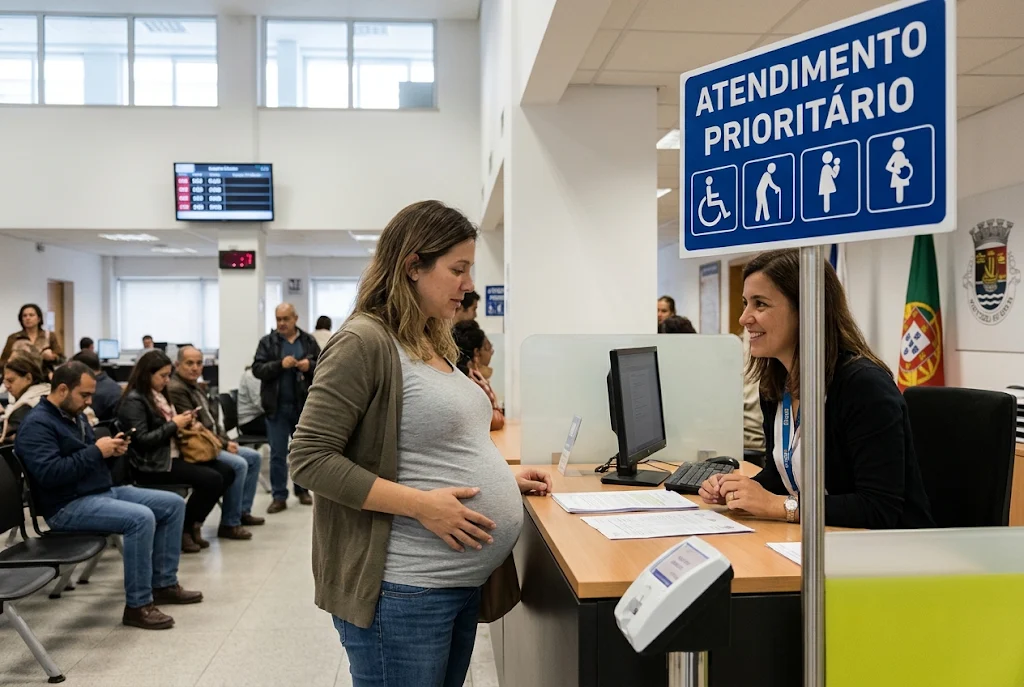
For example, laws govern priority access and queuing when entering businesses and public service buildings. Certain groups are legally entitled to move to the front of the queue, including:
- People over the age of 65 who have a disability.
- People with disabilities.
- Pregnant women.
- People accompanied by babies or young children.
These rules apply in places such as supermarkets, restaurants, banks, pharmacies, and other establishments providing services to the public.
If you qualify for priority service and a business refuses to provide it, you can contact the police. The establishment may face a fine for failing to comply with the law.
Tipping Practices in Portugal
Tipping is not generally compulsory in Portuguese restaurants and other businesses. Most establishments do not expect customers to leave extra money, although tips are appreciated.
One exception is in areas and establishments that receive large numbers of tourists. Because visitors from other countries are more accustomed to tipping, it has become more common and may be expected in these locations.
If you decide to leave a tip, the following amounts are considered acceptable:
- Restaurants: Approximately 10% to 15% of the total bill.
- Taxi services: Around 10% to 15%.
Some restaurants, particularly those in tourist destinations, may already include a service tip in the bill. Check the total before leaving an additional amount.
Differences in Customs Across Portuguese Regions
Social expectations are not exactly the same throughout Portugal, and some customs vary depending on the region.
For example, in certain parts of Lisbon, friends greet one another with a single kiss on the cheek rather than the more familiar two.
The way people acknowledge strangers also differs according to where they live. In larger cities, it is less common for strangers to greet each other when passing on the street. In smaller villages, exchanging greetings is more customary.
Punctuality can also vary geographically. Although Portuguese people are generally relaxed about arriving on time, residents in the northern parts of the country tend to be more punctual than those in the south.
Tipping is more established in Lisbon and Porto, where service workers may be more likely to expect customers to leave something extra.
Practical Advice for Understanding Portuguese Etiquette
Keep these cultural recommendations in mind as you settle into life in Portugal:
- Use appropriate titles: Address people by their professional or social titles, such as Doctor, Senhor, or Senhora, unless they invite you to use their first name.
- Avoid speaking Spanish to Portuguese people: Although Portuguese and Spanish share similarities, they are distinct languages. Addressing a Portuguese person in Spanish is generally considered poor etiquette.
- Be mindful of calling times: Avoid phoning people during mealtimes. In particular, do not call before 09:00, between 12:00 and 14:00, or between 20:00 and 21:00.
- Avoid stretching in public: This behaviour is considered impolite by some Portuguese people.
- Keep public spaces clean: Do not spit on the ground or litter, as these actions are regarded as disrespectful.
Handling Your Finances as an Expat in Portugal
Managing money is another part of adapting to life in Portugal. Understanding the local banking system and finding convenient ways to handle international payments can make the transition easier.
Opening a Portuguese bank account is recommended for regular financial commitments such as rent and utility bills. At the same time, many people living abroad continue to use Wise as an additional financial service.
A Wise account provides several benefits for people managing money internationally:
- International transfers: Send money to relatives in your home country using the mid-market exchange rate.
- Flexible currency conversion: Exchange money when you need it instead of converting large amounts all at once.
- Everyday payments and cash withdrawals: Use the Wise debit card to pay for services and withdraw cash.
Combining a Portuguese bank account with an international financial service can help you manage local expenses while staying financially connected to your home country.
This can be particularly useful when paying for services that involve other currencies, such as international subscriptions or medical insurance provided by an overseas company.