Understanding the Education System in Portugal
A practical guide to Portugal’s education system, covering school levels, enrolment, childcare, language support, financial assistance, special educational needs, and the options available to families and international students.
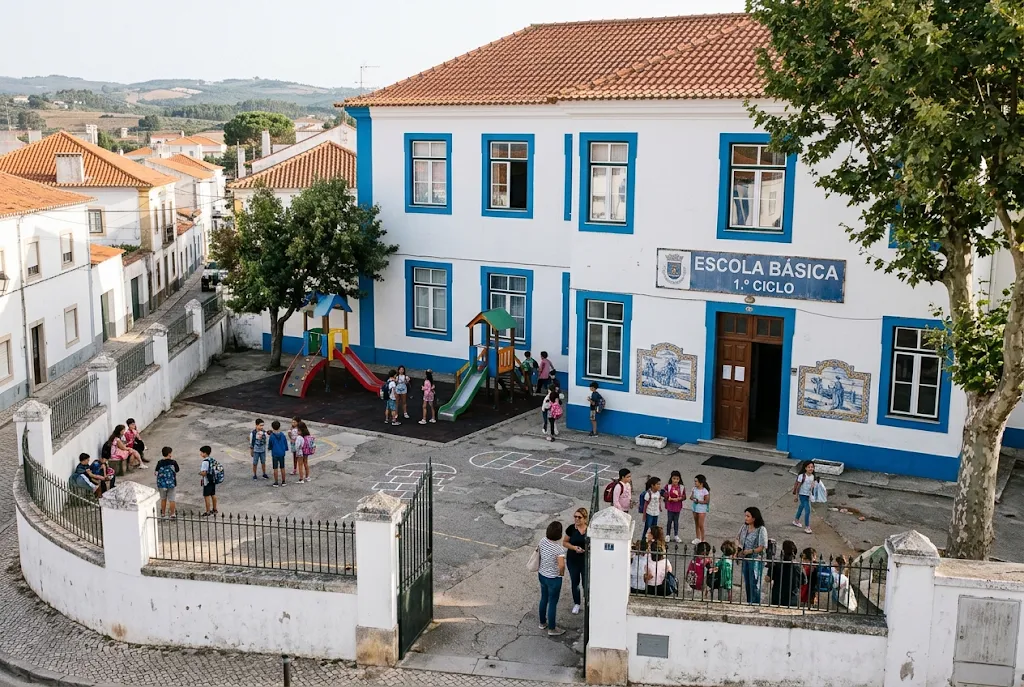
Discover how education works in Portugal, including the different school stages, financial assistance, learning support and useful resources for families.
For parents moving to Portugal, understanding the country's education system can seem complicated. The options available to your child will depend partly on their age. They may attend a free public school, choose a private or international institution, or pursue vocational training designed around a particular profession.
If you are unsure where to begin, this guide will walk you through the different stages and choices available. From childcare for young children to secondary education, here is what you need to understand.
An introduction to education in Portugal
Portugal's education system is overseen by the Ministry of Education (Direção-Geral da Educação – DGE), which is responsible for regulating education from preschool through to secondary school.
School groups, known as agrupamentos escolares, also cooperate with local municipalities to manage funding arrangements and establish curricula. At university level, the Ministry of Science, Technology and Higher Education (Ministério da Ciência, Tecnologia e Ensino Superior – MCTES) is responsible for education policies and budgets.
Portugal has both public and private educational institutions. Most Portuguese families choose state schools because they are free and usually located close to home. Many parents also enrol their children in education before the age of six, when compulsory schooling officially begins.
Private schools offer additional alternatives. International schools, for example, are particularly popular with expat families because they provide curricula from different countries. This can allow children to continue learning in their first language.
Although Portugal has historically experienced high levels of illiteracy, its present-day education standards are relatively strong. In the 2018 Programme for International Student Assessment (PISA), Portuguese students achieved results above the OECD average in reading, mathematics and science.
Preschool participation is also high. In 2019, 92% of children in Portugal attended preschool, compared with an OECD average of 88%.
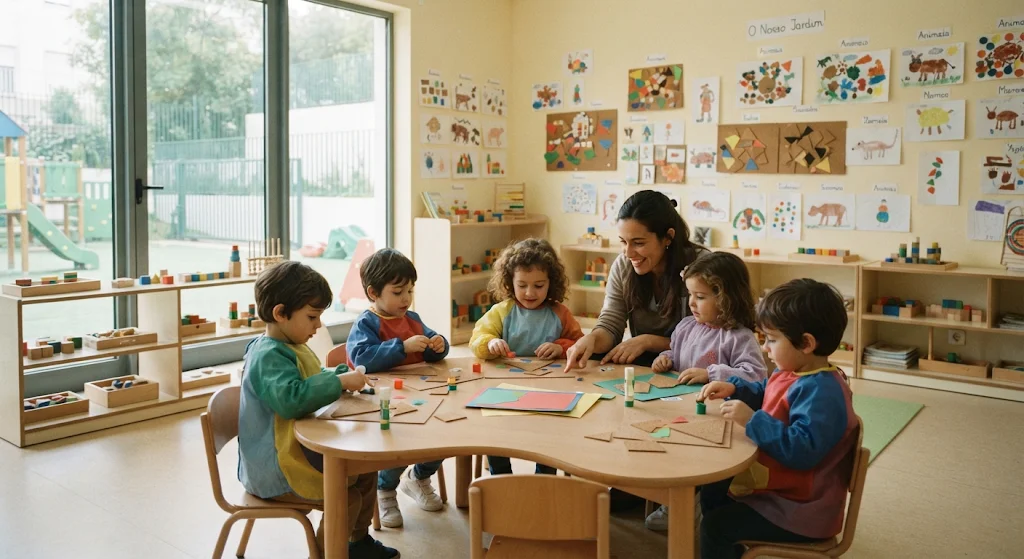
How the Portuguese education system is organised
Education in Portugal is divided into four main stages:
- Preschool education (Educação Pré-escolar): Generally for children aged 3–6.
- Basic education (Ensino Básico): Generally covers ages 6–15.
- Secondary education (Ensino Secundário): Generally covers ages 15–18.
- Higher education (Ensino Superior): Usually begins from age 18 onwards.
Education is compulsory from the age of six until 18. After completing compulsory schooling, young people can continue to university or enter the labour market.
Some immigrant children experience difficulties integrating into Portuguese schools. This can be related to how classes are organised, including the separation of pupils who have repeated a year, or differences in academic assessment results.
Consequently, children from migrant backgrounds may achieve lower examination grades. However, national education reforms are introducing opportunities for additional language instruction and educational support to help these pupils improve their academic performance.
Preschool and early childhood care in Portugal
Childcare services for children below the age of three fall under the responsibility of the Ministry of Labour, Solidarity and Social Security (Ministério do Trabalho, Solidariedade e Segurança Social).
Most early childcare facilities, however, are privately operated. Parents can choose between childcare centres, known as creches, and home-based childminders, called amas, who look after children in their own homes.
Children aged between three and six can attend preschool. Although attendance is not compulsory, many working parents choose this option to support their childcare arrangements.
Portugal has both public and private preschool facilities. Charities and social institutions also provide childcare services.
Preschool education (Educação Pré-escolar) is free for 25 hours each week from the age of three. Private institutions, including international schools and Montessori and Waldorf establishments, charge tuition fees.
Primary schooling in Portugal
How primary education is structured
The Ministry of Education is responsible for policies governing public primary education.
Basic education (Ensino Básico) is compulsory in Portugal between the ages of six and 15.
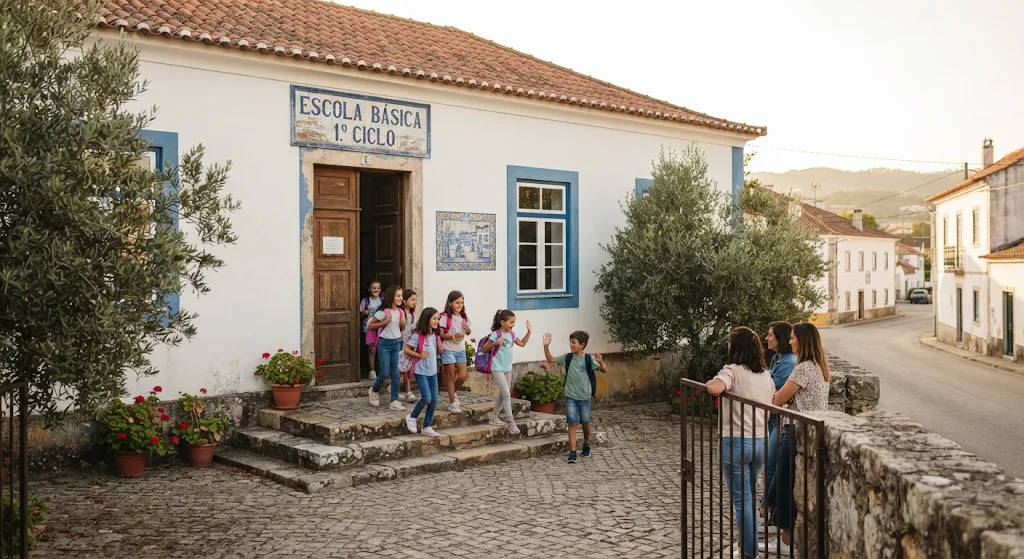
Primary and basic schooling are provided through institutions known as escolas básicas. This level is organised into three cycles:
- First cycle (primeiro ciclo or 1º ciclo): Grades 1–4.
- Second cycle (segundo ciclo or 2º ciclo): Grades 5–6.
- Third cycle (terceiro ciclo or 3º ciclo): Grades 7–9.
State primary schools in Portugal
Public education is free in Portugal, which is why most local families choose state schools for their children.
Parents and guardians are generally responsible for a limited number of additional expenses, which may include textbooks, school meals and occasional educational trips.
The standard of public education is generally good. However, international children who do not speak Portuguese may find it difficult to adjust, since Portuguese is the main language used for teaching.
For families planning to remain in Portugal for an extended period, learning Portuguese from an early age can be beneficial for their children's education and integration.
Public schools across the country generally follow a common national curriculum. Subjects taught include:
- Portuguese.
- Mathematics.
- Science.
- History.
- Geography.
- English, which is compulsory.
Portugal's emphasis on English language education may be one reason the country has become one of Europe's top 10 English-speaking countries.
From Grade 7 onwards, students can also choose to study an additional foreign language. French and Spanish are among the most common choices.
When applying to a public school, families should be aware that the school generally needs to be located near their home or workplace.
You will also be required to provide proof of your residential address during the application process. Popular public schools can have waiting lists, so submitting an application early is advisable.
Independent primary schools in Portugal
In 2020, private primary schools accounted for just 12.5% of students in Portugal.
International schools, which are part of the private education sector, can be particularly suitable for children from expat families. They allow pupils to study in their native language and meet classmates from different countries and cultural backgrounds.
Another advantage is educational continuity. If a family moves to another country or eventually returns home, children may be able to continue with a familiar curriculum.
Religious schools and alternative educational institutions, including Montessori and Steiner-Waldorf schools, operate independently in Portugal. Their annual tuition fees generally begin at approximately €4,000.
Outside the international school sector, however, most of these institutions teach primarily in Portuguese.
Secondary schooling in Portugal
Understanding the secondary school structure
After finishing basic education, students must apply for a place at a secondary school. These institutions are known as escolas secundárias.
Secondary education is compulsory for young people between the ages of 15 and 18. The Ministry of Education (Ministério da Educação) is responsible for supervising this stage of the education system.
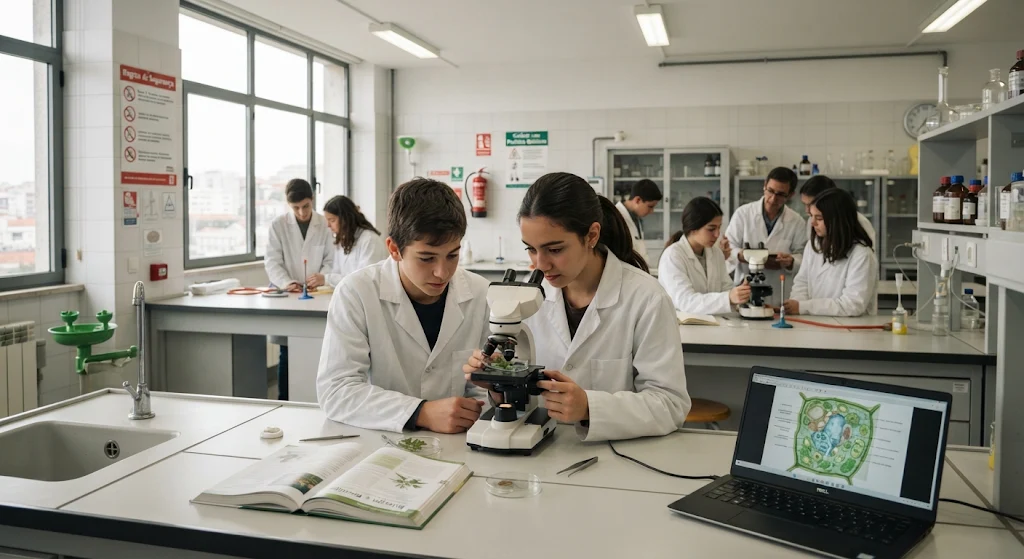
Secondary education lasts three years and covers:
- Grade 10.
- Grade 11.
- Grade 12.
When enrolling, students can select from different academic and vocational pathways based on their interests, strengths and future career plans.
Some programmes are designed to prepare students for university, while others concentrate on practical skills and workplace experience.
Many schools also organise aptitude assessments and provide educational guidance towards the end of basic education. This helps students identify the pathway that is most appropriate for them.
Government secondary schools in Portugal
Public secondary education (Ensino Secundário) is free in Portugal, and its overall standard is generally considered good.
Students must complete a number of core subjects, including:
- Portuguese.
- Philosophy.
- Physical Education (PE).
- A foreign language.
The other subjects they study will depend on the educational pathway they select.
Students can choose between vocational education and science-humanities programmes.
Vocational programmes (Cursos Profissionais)
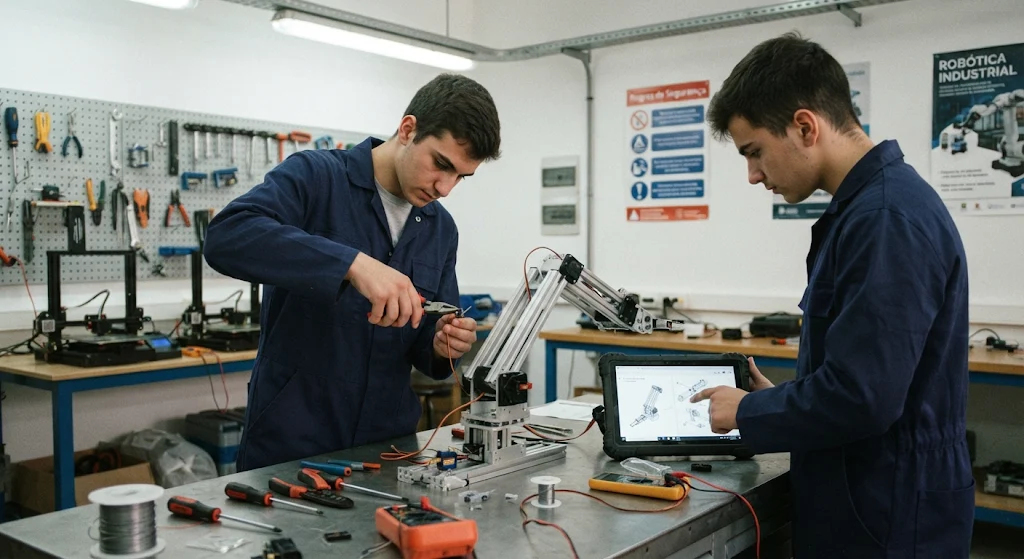
These courses are designed to prepare students for particular occupations and professional qualifications. They provide practical training that can lead directly to employment in sectors such as:
- Information technology (IT).
- Design.
- Hospitality.
Science and humanities programmes (Cursos Científico-Humanísticos)
These pathways are more academically focused and are suitable for students who may want to continue to higher education.
They include subjects and areas such as:
- Visual arts.
- Natural sciences.
- Humanities.
Specialised artistic programmes (Cursos Artísticos Especializados)
Students interested in creative and artistic professions can also choose a specialised artistic education pathway.
Independent secondary schools in Portugal
Families in Portugal can choose from several types of private secondary institutions, including religious schools, international schools and boarding schools.
Faith-based secondary schools
Most private secondary schools in Portugal are Catholic institutions.
Alongside the standard academic curriculum, students also study religious subjects. Parents often select these schools because of their performance in annual examinations, which are conducted in Portuguese, and the wider range of extracurricular activities they may offer.
Some institutions also provide lessons in English and allow students to graduate with an International Baccalaureate (IB) diploma.
Annual school fees generally range from €2,500 to €10,000.
International secondary schools
Many expat families in Portugal prefer international schools because of their multicultural learning environments.
Parents can choose from institutions offering British, American, French and German educational programmes. These options are useful for families who want their children to study in their home language or follow a curriculum with which they are already familiar.
International school tuition in Portugal is relatively affordable compared with some other countries. Fees generally begin at around €5,000 per year.
Residential and boarding schools
Portugal has only a small number of boarding schools, with most located in the Lisbon area and the Algarve.
Before choosing one, it is advisable to visit the institution. This gives parents an opportunity to inspect the facilities, understand the educational programme and assess whether the school is suitable for their child.
Annual tuition fees are typically around €30,000.
The International Baccalaureate in Portugal
Students in Portugal can complete their secondary education with the International Baccalaureate (IB) diploma.
The qualification is recognised by universities around the world. Its educational approach is designed to encourage creativity, independent thinking and a strong sense of community among students.
In Portugal, the IB Diploma Programme is available at 14 schools, including international schools and a small number of Portuguese private institutions.
Completing secondary education in Portugal
Students following the Portuguese national curriculum must successfully pass all their subjects to graduate from secondary school.
Their final academic results are based on several elements, including:
- Written assessments.
- Participation in classroom activities.
- Homework and other assigned work.
Students are also required to complete three compulsory examinations:
- Two examinations at the end of Grade 11.
- One examination at the end of Grade 12.
The requirements are different for students enrolled in vocational programmes. They do not need to take these final examinations to obtain their vocational qualification.
However, if they intend to apply to a university, they will need to sit the relevant examinations required for admission.
Scholarships and financial assistance for students in Portugal
Portugal provides financial support for children from low-income households.
Parents can apply for educational assistance through their child's school under a scheme known as Ação Social Escolar (ASE). Families may also be entitled to receive a family allowance called abono de família.
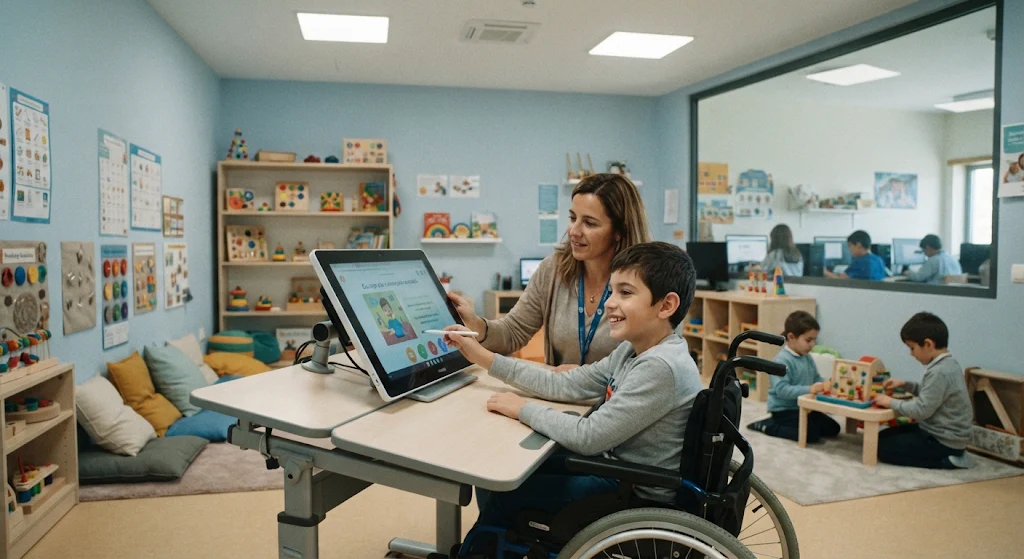
Additional financial support is available to families with children who have disabilities. Eligible households may receive one or more of the following benefits:
- Disability supplement (Bonificação do abono de família para crianças e jovens com deficiência): Additional family allowance for children and young people with disabilities.
- Special education subsidy (Subsídio de educação especial): Financial assistance towards special educational needs and related support.
- Third-person assistance allowance (Subsídio por assistência de 3ª pessoa): Support for families who need assistance from another person to care for a child.
These benefits are intended to help with expenses related to education, therapy and specialist carers.
Applications for these forms of assistance can be made through Portugal's social security system (Segurança Social).
Students enrolled in private or international schools may also be eligible for grants that help pay tuition fees. Parents should contact their chosen school directly to find out what scholarships are available and how to apply.
International school fees often involve making payments across national borders. Families can reduce the cost of transferring money by using international payment services such as Wise.
Unlike traditional banks, which may add a margin to the exchange rate, Wise uses the mid-market exchange rate and charges a small, transparent transfer fee.
Learning assistance for international children in Portugal
Children who move to Portugal without speaking Portuguese may find it challenging to attend a local school at first.
To help them adjust, many state schools provide additional language lessons and support. Students may also be able to take their final Portuguese examinations in a format adapted for people whose first language is not Portuguese.
However, not every school has the resources to offer these services. This can be particularly challenging in rural areas.
For this reason, parents should investigate the language assistance and educational resources available at a school before enrolling their child.
Another option is to consider a bilingual school, where students receive instruction in more than one language.
Families can also contact the High Commission for Migration (Alto Comissariado para as Migrações – ACM) for information and advice about education. The organisation works to help migrant families integrate into Portuguese society.
Assistance for children with special educational needs (SEN)
Portugal is working towards a more inclusive education system, known as educação inclusiva.
As part of this approach, most mainstream schools provide programmes and resources for children with special educational needs (SEN).
The Ministry of Education has also published a list, in Portuguese, of public schools that actively promote inclusive education.
Children below the age of six can receive education at home or attend kindergarten with support from a special education teacher.
After reaching school age, they can move into their local primary school. At this stage, they receive an Individual Educational Plan (IEP) tailored to their particular learning requirements.
Depending on the child's needs, the plan may provide:
- Specialised learning materials and tools.
- Adjustments to teaching and learning arrangements.
- Special examination conditions.
Children also receive a transition plan towards the end of their schooling. This is intended to help them prepare for adult life.
If the facilities and support available at a mainstream school are not sufficient, families may also explore specialist education institutions.
Special education schools can be found in most of Portugal's larger cities. Some are equipped to support children with hearing or visual impairments, while others provide education for children with developmental disabilities.
Specialist organisations can also offer additional assistance. For example, CADIn is a non-profit organisation that supports families whose children have neurodevelopmental conditions.
Transferring your child to another school in Portugal
One of the conditions for applying to a public school is that the institution should generally be close to the family's home or workplace.
Nevertheless, children can transfer to another school at any point during the academic year. Parents will normally need to explain the reason for the change, such as moving to a different address.
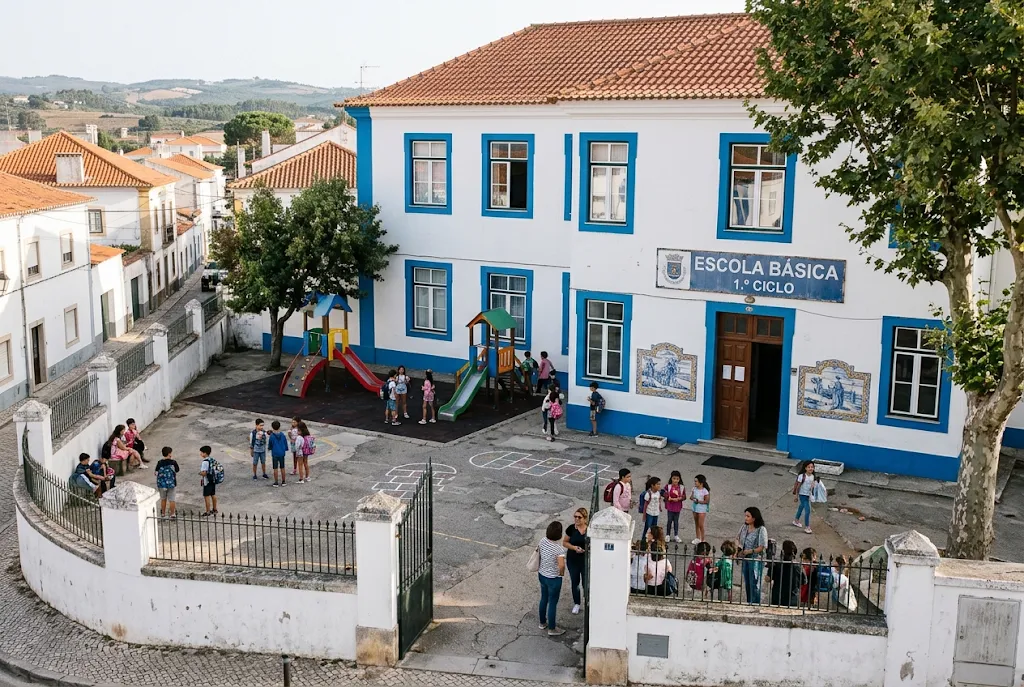
Many families prefer to arrange a transfer at the end of an educational cycle, as this can make the transition easier for the child.
Changing schools in Portugal is free.
Parents can submit an application through the Portal das Matrículas if they have a Portuguese citizen card. Alternatively, they can apply directly through the school.
For private and international schools, it is best to contact the school administration first to understand its transfer procedures.
How parents can participate in their children's education
Parents who want to take a more active role in their child's school life can join a Parent Teacher Association (PTA).
These organisations are known as Associação de Pais, and most schools in Portugal have one.
However, meetings are generally conducted in Portuguese, which may make participation difficult for parents who are not confident in the language.
International schools often have similar parent groups. Some also offer parents the opportunity to become members of the school's Board of Governors.
Home education and homeschooling in Portugal
Homeschooling is permitted in Portugal, although relatively few families choose this route.
Between 2019 and 2020, only 568 students enrolled in homeschooling or individual teaching, according to the figures referenced in the original article.
There is a distinction between these two arrangements:
- Homeschooling: A child's education is provided by a relative.
- Individual teaching: A child is taught by a tutor rather than a family member.
Recent changes to the regulations have made homeschooling more demanding for families.
Parents or legal tutors are required to hold a university degree and live in the same household as the child.
Children must also be registered with a public school and follow the national curriculum as external students. This means they must complete the required annual examinations, which are conducted in Portuguese.
For further information, parents can consult the website of Movimento Educação Livre (MEL), one of Portugal's leading homeschooling associations.
Useful resource: Education in Portugal – Official Government Guide for Migrants
Official government resource
Additional resource: Portugal’s Official Education Portal — central access to education services, school enrolment, examinations and higher education information.