Childcare Options in Spain: A Guide for Parents
A practical guide to childcare in Spain for expat and local families, covering nurseries, preschools, international childcare, nannies, au pairs, babysitters, out-of-school and holiday care, typical costs, family benefits, and children’s healthcare.
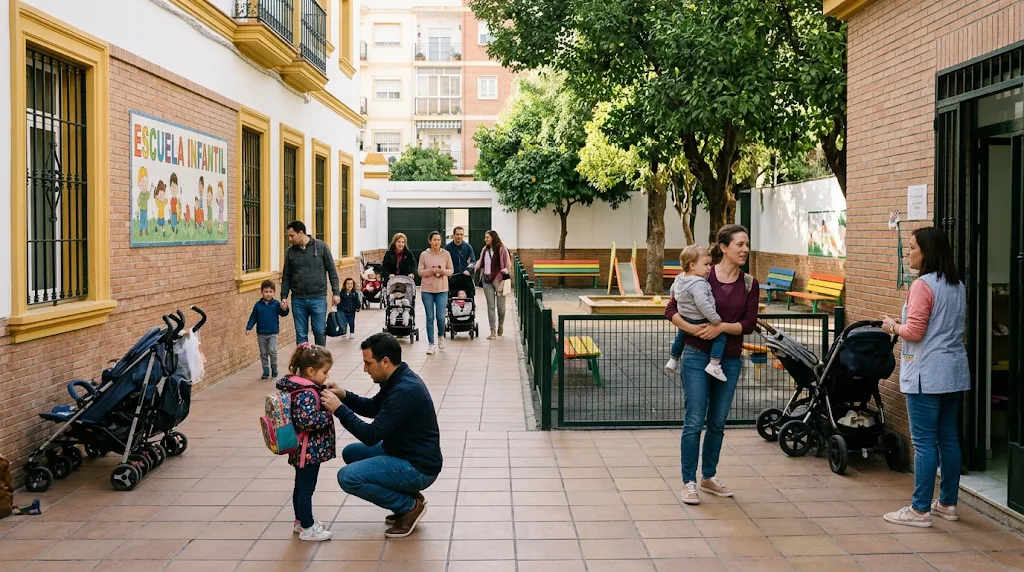
Finding the right care for your young children is an important consideration for working parents everywhere, and families in Spain face the same challenge. Fortunately, there are several childcare arrangements to choose from, and costs are generally quite reasonable.
However, childcare services and arrangements differ between Spain’s autonomous communities. It is therefore important to research the options available in your region before deciding which one best suits your family.
This guide explores childcare in Spain, covering the available services, out-of-school activities, alternative care arrangements, costs, and financial support for families.
Overview of childcare services in Spain
Spain provides both public and private childcare, organised into two main stages:
- First cycle (primer ciclo): Care for children aged 0–3, generally provided in a nursery or daycare centre (guardería).
- Second cycle (segundo ciclo): Kindergarten or preschool (escuela infantil) for children aged 3–5, before they begin primary education at six.
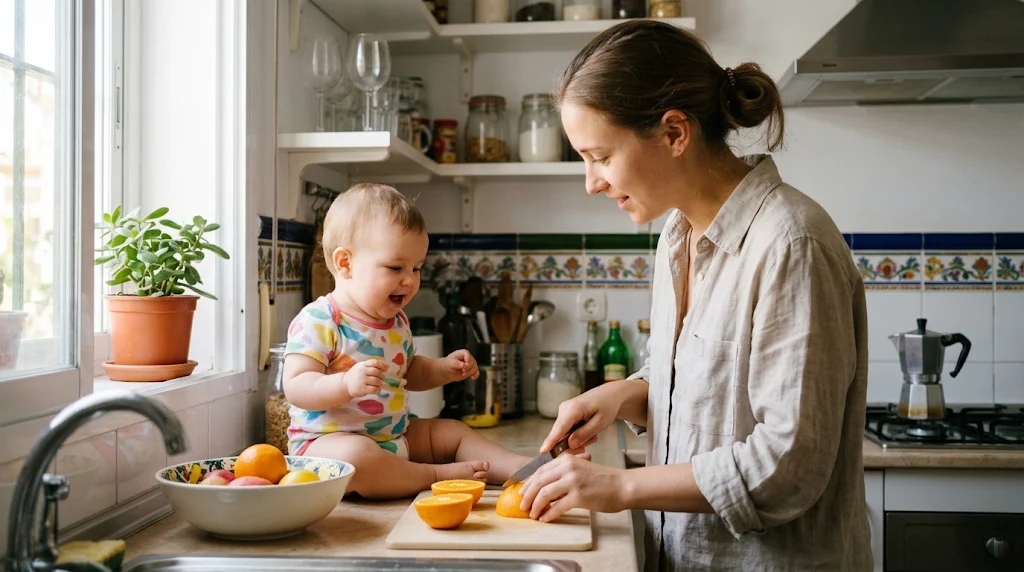
Attendance at either stage is optional. According to the OECD (2024), approximately 30% of children under the age of two participate in early childhood education and care, compared with an OECD average of 18%. By the time children reach two years old, participation increases to 64%, while the OECD average is 42%.
Parents who work in Spain can generally enrol their children in childcare from four months of age (16 weeks), when the compulsory period of parental leave comes to an end.
Who manages childcare services in Spain?
At the national level, responsibility is divided between two government departments:
- The Ministry of Social Rights, Consumer Affairs, and 2030 Agenda (Ministerio de Derechos Sociales, Consumo y Agenda 2030) oversees nursery care.
- The Ministry of Education, Vocational Training, and Sports (Ministerio de Educación, Formación Profesional y Deportes) is responsible for preschool education.
In practice, however, the autonomous communities have considerable control over how childcare services are organised and delivered. As a result, the availability, administration, and provision of childcare can differ significantly from one part of Spain to another.
Who is eligible to use childcare in Spain?
Having a residence permit is not necessarily a requirement for accessing childcare in Spain. Nevertheless, if you want to use public services, you will need to register with your local municipality and the Spanish social security system.
Availability can also depend on where you live. In areas where demand exceeds the number of available places, childcare centres may allocate spaces according to the order in which applications are received or give preference to families on lower incomes.
If you cannot secure a place, you may need to consider a private daycare centre or another arrangement, such as employing a nanny or childminder, or welcoming an au pair into your home.
It is also important to know that most preschools in Spain expect children to have received their required vaccinations.
Are there international childcare centres in Spain?
Spanish is the main language used in most childcare facilities across the country. However, families from abroad can also find international centres where children receive care and education in their home language.
Some of these establishments operate independently, although many are part of international schools. This can make it possible for children to remain at the same institution as they progress from kindergarten to primary school and, in many cases, secondary education.
Examples of international childcare and school options include:
- Barcelona
- Colegio Japonés de Barcelona — Japanese
- El Petit Panda — Chinese
- Bilbao
- Lycée Français de Bilbao — French
- St. George’s British International School — British
- Madrid
- Colegio Suizo de Madrid — German
- Liceo Europeo — American
- Sevilla
- Colegio Internacional de Sevilla – San Francisco de Paula — British
- Yago School Sevilla — Chinese, English, and French
International childcare facilities generally charge higher fees than other options, but they can provide several advantages. Children have opportunities to grow up in a multicultural setting, interact with other international families, and develop relationships with children from different backgrounds. These centres also tend to have smaller classes and good-quality facilities.
What types of childcare are available in Spain?
Nurseries, daycare centres, and preschools
Working parents can use nurseries and daycare facilities for children between birth and three years old. Once children reach three, they can attend kindergarten or preschool, generally until the age of six.
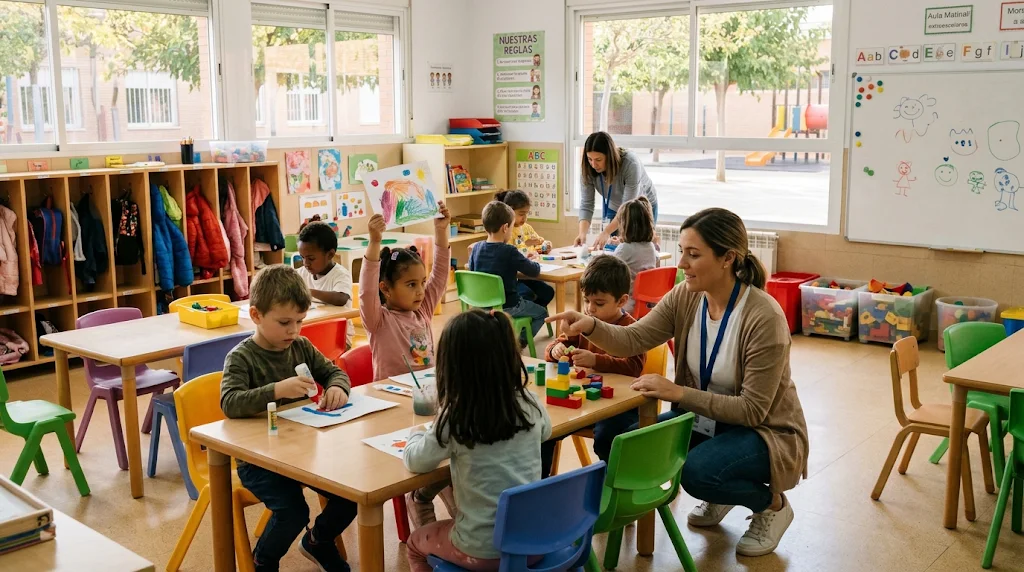
Public childcare centres receive government subsidies and are usually the least expensive choice. However, places may be limited, and some facilities give priority to families with lower incomes.
Private childcare is another option, but parents will normally be responsible for paying the full fees.
Childcare arrangements for children of school age
Before-school and after-school programmes
Anyone with children knows how easily school schedules can conflict with working hours. Spain offers additional services, known as servicios complementarios, which help families manage the time before and after the school day.
A 2007 figure indicated that approximately 81% of children in Spain regularly took part in activities before or after school.
Depending on the area, children may be able to attend morning programmes called Aula Matinal, usually running from 07:30 to 09:00, Monday to Friday.
After-school clubs may also be available, with activities continuing until:
- 16:00 on Fridays
- 18:00 from Monday to Thursday
The programmes can include recreational and educational activities such as:
- Computer science
- Dance and theatre
- Language lessons
- Music
- Reading
- Sports
If your child attends a public school, contact the Education Department (departamento de Educación) at your local town hall (Ayuntamiento) to ask about available programmes and how to register.
Private and international schools generally publish details of their before- and after-school services on their own websites.
Finding childcare during school holidays
Public childcare facilities in Spain, as in many other countries, generally close during school holiday periods. This can create difficulties for working parents, particularly during the summer break, when children may have as much as three months away from school.
Many families manage this period by asking relatives or friends to help care for their children.
Nevertheless, holiday childcare is available in some areas. Certain regions, including Madrid, provide paid holiday centres for primary school pupils, offering a combination of educational and leisure activities.
Larger Spanish cities also tend to have privately operated holiday programmes and summer clubs. These give children the chance to explore interests, make friends, and develop new abilities.
For example:
- Enforex and Don Quijote organise different educational programmes for children and young people aged 5–18.
- Yago School and Liceo Europeo also offer programmes for younger children.
You can search for summer camps and other school-holiday programmes in Spain through websites such as World Camps.
Other childcare arrangements in Spain
Professional childminders
Professional childminders are trained childcare providers who look after small groups of children aged 0–3 in their own homes. In Spain, they are commonly referred to as madres y padres de día, meaning mothers and fathers of the day.
This type of care is not especially widespread, possibly because of its relatively high cost. These professionals work privately, and fees can range from approximately €300 to €600 per day.
Rules governing the availability and operation of these services are established mainly at the regional level. Galicia, Madrid, and Navarre have developed more extensive regulatory frameworks, while Murcia and Catalonia are working on introducing official rules.
To explore available providers, you can visit the Mothers and Fathers of the Day Network (Red Madres y Padres De Día).
Nannies
As mentioned earlier, access to public childcare is limited to people who meet the relevant residency and social security requirements. Expats who are not residents may therefore want to consider employing a nanny.
A nanny provides individual care in the family home. Their responsibilities may extend beyond looking after the children to include preparing meals, bathing, managing bedtime routines, and carrying out household tasks.
Some nannies live with the families they work for and provide childcare during agreed working hours under an employment contract.
The average nanny rate in Spain is approximately €11 per hour. However, hiring a nanny also makes you their legal employer. You must therefore:
- Sign an employment contract with them.
- Arrange the required tax payments.
- Register and manage their social security contributions.
- Make the necessary health insurance arrangements.
You can look for a nanny through local or international recruitment agencies, including Kinderstaff and Nannies & Mannies.
Au pairs
Au pairs are another childcare option used by many international families in Spain. They are generally foreign students between 18 and 30 years old who stay with a host family for a limited period, commonly between six months and two years.
In return for accommodation and meals, an au pair helps with basic childcare and household responsibilities. With pocket money starting at around €70 per week, this arrangement can cost less than employing a nanny.
<text>Photo caption: An au pair holds a baby on a kitchen counter while cutting oranges with a sharp knife.</text>
<text>Photo credit: Kateryna Hliznitsova/Unsplash</text>
However, au pairs usually have less professional childcare training and experience than qualified nannies or childminders. Their responsibilities are generally limited to babysitting and basic assistance rather than specialised childcare or educational support.
If you recruit an au pair from outside the EU/EFTA area, you will also need to sponsor their visa application.
You can search for au pairs through international agencies and platforms such as:
- AuPair.com
- AuPairWorld
- GreatAuPair
Babysitters
Babysitters usually provide occasional childcare rather than working as a regular, full-time arrangement. You might hire one when you have an appointment, need to attend an event, or want to spend an evening out.
Most babysitting arrangements last only a few hours, although some providers may agree to work for longer when required.
There are several ways to find a babysitter in Spain:
- Ask relatives, friends, or neighbours whether they can help or recommend someone.
- Search online for local babysitters.
- Contact an agency that checks applicants and requests references, such as Babysits or Sitly.
Payment arrangements differ. Some babysitters charge an hourly amount, while others agree on a fixed fee for a particular period.
On average, babysitting costs approximately €7.80–€8.50 per hour in Spain.
Childcare support from employers
Spanish employers are not legally required to provide childcare services or financial childcare assistance. However, they must approve paid or unpaid leave when working parents request time off in accordance with the applicable arrangements.
Although employer-provided childcare is not common, some large private companies include childcare assistance in their employee benefits. Others operate daycare facilities at their workplaces for employees with young children.
It is worth speaking with your employer to find out whether any childcare support or family-friendly arrangements are available.
Community-based childcare programmes
In certain parts of Spain, charities, volunteer organisations, and local community groups provide additional childcare activities.
These programmes are generally short sessions lasting around 2–4 hours. Examples include playgroups for babies and toddlers.
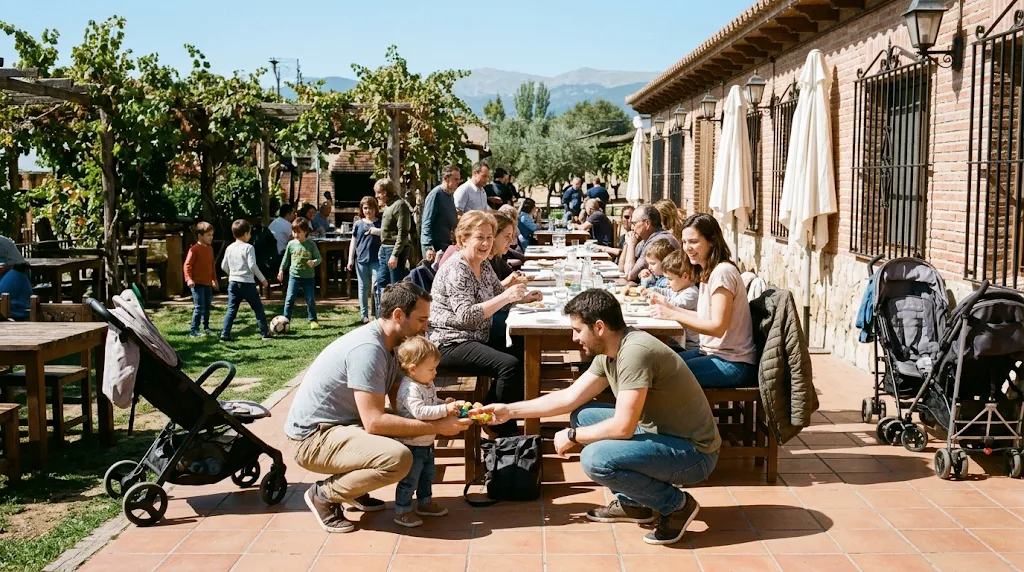
Parents are usually expected to remain at the location and supervise their children during these activities.
You can ask other parents in your neighbourhood or local community to find out whether any such programmes operate nearby.
Where can you look for childcare in Spain?
To identify childcare services in your area, consider checking the following sources:
- Your local town hall or community centre.
- Schools and educational institutions in your neighbourhood.
- Online community groups, including expat forums and Facebook groups.
- Search engines and online childcare platforms.
- Government information services, including the British Council.
You can also browse the Expatica Spain directory to find professional childcare providers and facilities.
Before choosing a provider, it is advisable to arrange a visit so you can inspect the facilities and decide whether they are appropriate for your child.
It is also useful to speak with other parents who have experience with the centre or service. Their personal feedback can help you assess your options and make a better-informed decision.
How much should you budget for childcare in Spain?
Childcare fees in Spain depend on several factors, including the type of service, the region where you live, and whether you choose public or private care. Any subsidies or financial assistance you qualify for can also affect the amount you pay.
The following are approximate gross costs:
- Nurseries
- Public nurseries: around €100–€300 per month.
- Private nurseries: around €450–€900 per month.
- Additional charges may apply for meals, learning materials, nappies, and other necessities at either type of centre.
- Preschools
- Public preschools: generally free.
- Private preschools: approximately €400–€1,100 per month.
- Professional childminders
- Approximately €300–€600 per day, depending on the area.
- Nannies
- Average hourly rate: around €11.
- Estimated monthly cost: approximately €810–€1,920.
- Au pairs
- Usually receive at least €70 per week in pocket money.
- Families must also provide meals and accommodation.
- Out-of-school activities
- Prices can start at approximately €40 per activity, depending on the programme.
Family support payments and childcare tax relief
In addition to the 16 weeks of parental leave paid at 100% of salary, Spain provides different forms of family assistance, known as prestaciones familiares por hijo a cargo, as well as tax deductions.
For example, parents who have made social security contributions for at least one month may qualify for a monthly payment of €100 per child. Alternatively, they may be able to claim a tax deduction instead.
Other family benefits and childcare-related allowances available in Spain include:
- Support for larger families, single-parent households, parents with disabilities, or families on low incomes (ayuda para familias numerosas, monoparentales o con discapacidad con ingresos bajos).
- Financial assistance for multiple births or adoptions (prestación económica por parto o adopción múltiples).
- A family allowance for a child or young person under 18 with a disability (asignación económica por cada menor de 18 años con una discapacidad).
- The Minimum Vital Income child supplement (complemento de ayuda a la infancia del Ingreso Mínimo Vital).
- A tax deduction for single mothers (deducción por maternidad).
- A tax deduction for large families (deducción por familia numerosa).
Parents who live with their children up to the age of 25 may also be eligible to claim a tax allowance for each child.
What healthcare is available to children in Spain?
Children who live in Spain are entitled to access public healthcare, which is largely free until they turn 15.
The services covered include specialist medical care, basic dental treatment, and vaccinations at no charge.
You can register your child with a family doctor (GP) or paediatrician, provided that you are already registered for public health insurance.
If you are not eligible to use public healthcare, or you prefer access to a wider range of medical services, you can consider purchasing private health insurance.
How to qualify as a childcare professional in Spain
There are three main educational or training routes for people who want to work professionally in childcare in Spain:
- University qualification: Obtain a degree in Infant Education or Early Childhood Education and Care.
- Advanced vocational training: Complete an advanced childcare and education programme, which generally involves approximately 2,000 hours of training.
- Vocational certificate: Obtain a professional certificate, usually through a combination of practical work experience and formal training.
You will also need to provide a clean criminal record and a food hygiene certificate.
If you intend to open your own daycare centre, you must complete the standard procedures required to establish a business. These include obtaining the relevant local operating licence and complying with the applicable rules for business taxation and social security contributions.