Staying Safe in Spain: A Guide for Expats and Travelers
A practical safety guide for Spain covering common risks, petty theft, scams, nightlife precautions, regional safety differences, extreme weather, emergency contacts, and tips to help expats and travellers stay safe.
Spain is considered a safe destination for most tourists and expats. Violent crime is not usually the main concern affecting everyday experiences. The more common challenges include pickpocketing in busy tourist areas, making safe transport choices late at night, and dealing with seasonal heat, wildfires, or storms.
So, how safe is Spain? Generally, it is a safe country.
However, the level and type of risk can differ depending on your location, the time of year, and what you are doing. A quiet weekday in Seville, for example, is very different from a crowded metro platform in Barcelona or an August heatwave in Córdoba.
This guide looks at the practical safety concerns people are most likely to encounter, including theft, public transport, weather warnings, emergency contact numbers, and everyday routines for expats.
Essential safety points at a glance
- General assessment: Spain is largely safe, although no destination is completely free from risk. Apply sensible precautions when moving around cities rather than allowing fear to dictate your plans.
- Main areas of concern: Transport stations in Barcelona and Madrid, inland areas during summer, and coastal locations affected by storms. Be prepared for petty theft, scams, and weather-related disruption.
- Places requiring additional awareness: Las Ramblas, Sagrada Família, Atocha station, airports, beaches, and festivals. Stay alert in crowded spaces and check your belongings once you have moved away from particularly busy areas.
- Emergency assistance: Across Spain, call 112 for emergencies. Save this number first, and use 091 or 092 for further police assistance when necessary.
- Cash and important documents: Be especially careful around railway stations, nightlife districts, and ATM locations. Avoid carrying too much cash, keep your cards in separate places, and use ATMs belonging to Santander, BBVA, or CaixaBank.
- Weather-related precautions: Pay attention to conditions in Andalusia, central Spain, the Valencia region, and rural areas at risk of fires. Check AEMET forecasts and civil protection announcements before taking day trips.
How safe is Spain in general?
Spain has a very high overall level of safety, and most visitors and expats go about their everyday activities without experiencing problems. Violent crime is relatively uncommon, although opportunistic theft continues to be a nuisance in crowded public squares, along beach promenades, and at metro stations.
In most situations, staying safe involves ordinary awareness: watch your belongings in busy crowds and follow local weather information when extreme heat or wildfire conditions are expected.
What safety problems are most common in Spain?
It is more useful to prepare for the situations you are most likely to encounter than to focus on unlikely worst-case scenarios. In Spain, the main everyday concerns generally involve theft, unsafe decisions when travelling late at night, and weather conditions that can disrupt otherwise ordinary plans.
Petty crime and frequently encountered scams
Pickpocketing is one of the safety issues visitors and expats should take particularly seriously in Spain. It is most common in crowded tourist locations, including Las Ramblas, the streets surrounding Sagrada Família, Madrid's Atocha railway station, airports, beaches, festivals, and busy metro services.
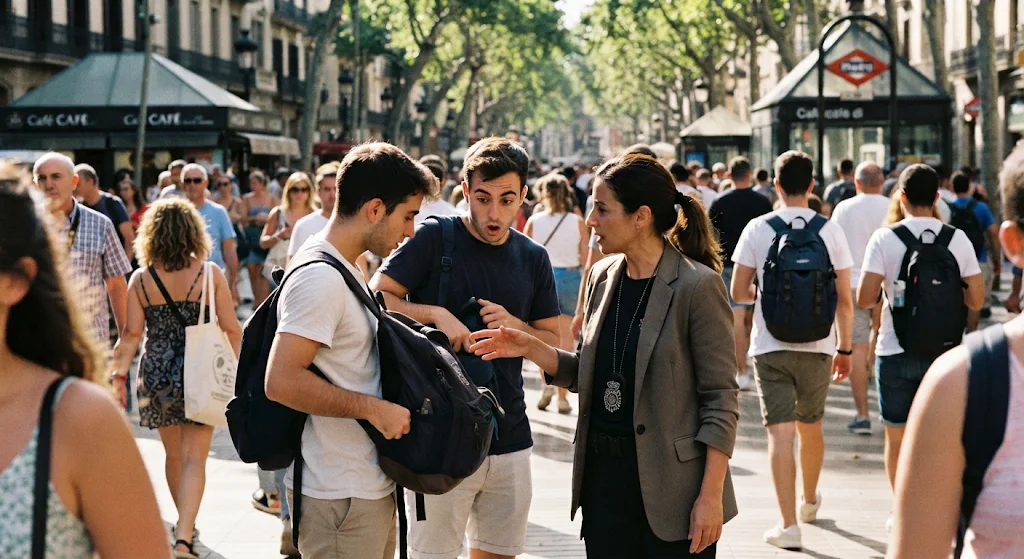
Many thieves depend on distracting their victims rather than using physical force. Tactics can include people pretending to be police officers, stealing belongings from café tables, snatching bags, and committing bank card fraud. These approaches often succeed when travellers become distracted at the wrong time.
Protect yourself by following these precautions:
- Keep your phone, wallet, and passport somewhere secure rather than in easily accessible outer pockets.
- Choose bags with secure zips and position them in front of you when moving through crowded places.
- Withdraw cash from ATMs located inside branches of Banco Santander, BBVA, or CaixaBank.
- Never leave your bag or phone unattended on a café chair, beach towel, or the edge of a table.
Nightlife, public demonstrations, and looking after yourself
Spanish social life often continues late into the night. As a result, one of the most vulnerable moments can be the journey home rather than the evening meal itself.
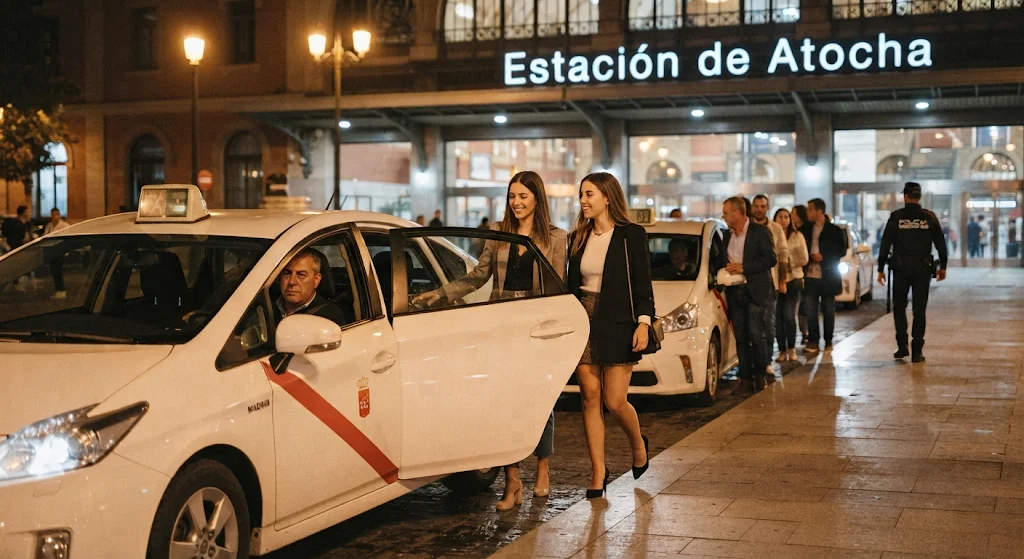
If you have been drinking, consider taking an official taxi from a designated taxi rank or using a licensed ride-hailing service. This is preferable to walking a long distance through streets you do not know.
Protests and strikes also take place regularly in Spain, particularly in larger cities. Even gatherings that begin peacefully can change quickly. Keep away from large demonstrations, follow public transport announcements, and contact 112 if urgent assistance is required.
Remember that 016 provides support for gender-based violence. It is not the main emergency telephone number.
Recommended actions:
- Choose busy, well-lit streets when returning home and remain with your friends if your plans change.
- Report suspected drink spiking, harassment, or theft as soon as possible.
Things to avoid:
- Do not leave your drink unattended or accept a drink from someone you do not know well.
- Avoid entering the middle of a demonstration, and do not assume that public transport will operate as usual in the surrounding area.
Heatwaves, forest fires, beaches, and outdoor safety
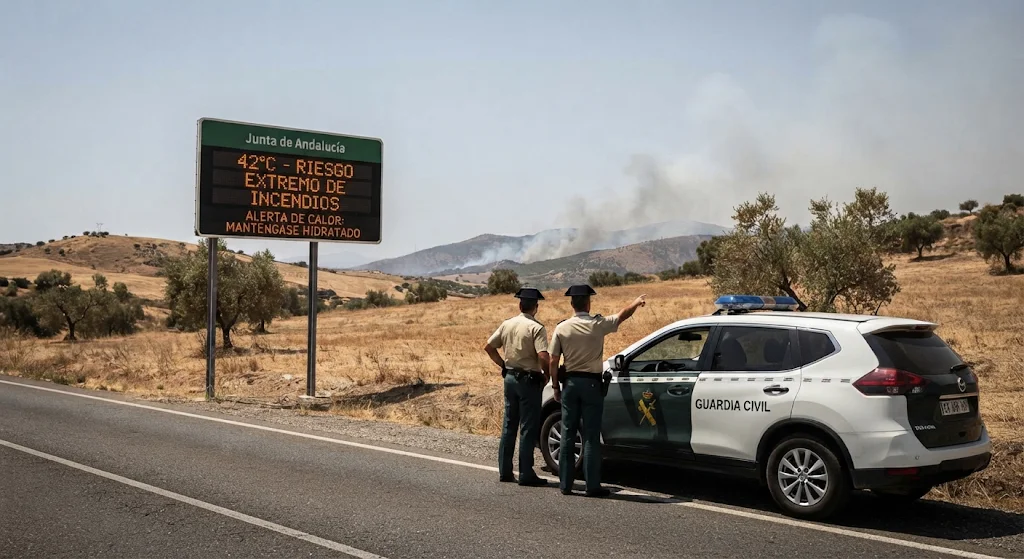
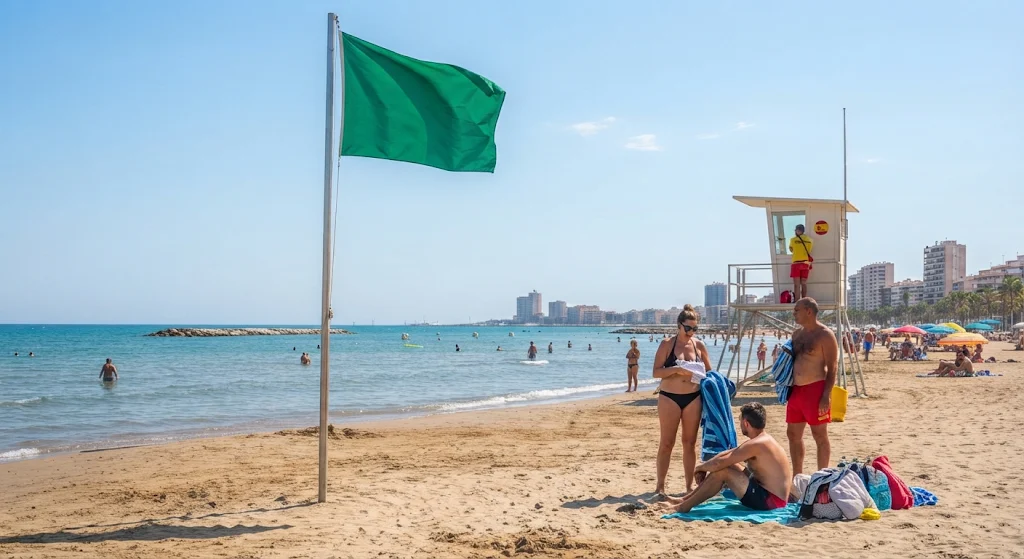
Weather and environmental conditions have a significant influence on everyday safety in Spain. Very high summer temperatures can create health risks in inland regions, while sudden seasonal storms may lead to flash floods along the coast. Forest fires are another serious concern in rural areas, where they can result in unexpected road closures and poor air quality.
Rather than assuming that conditions will remain favourable, make a routine of checking AEMET weather warnings and local authority safety announcements.
A quick review of official updates before driving between cities or spending time outdoors can help you avoid unnecessary delays and travel disruption.
Main environmental hazards and how to prepare
- Heatwaves
- Where they are most relevant: Andalusia and central Spain.
- Recommended precautions: Begin outdoor activities early, take enough drinking water, and avoid strenuous activities around the hottest part of the day.
- Wildfires
- Where they are most relevant: Inland rural communities and areas close to